TL;DR: A transformer coil winding machine winds copper or aluminum conductor into the HV and LV coils that define a transformer’s electrical performance. Five main types exist — vertical (5–45 T), horizontal (1–25 T), foil winding, automatic HV (PLC + servo, up to 280 rpm), and universal or 3D wound-core machines — and the right choice depends on coil weight, conductor type, production volume, and voltage class. This guide covers how winding machines work, how the types compare, which specifications matter, and how to select the right model.
The coil is the heart of a transformer — and the transformer coil winding machine is where that heart is built. Winding quality decides how tight the coil sits on the core, how well it withstands short-circuit forces, and how much copper you consume per unit. This pillar guide brings together everything you need: what these machines do, the five mainstream configurations, the specifications worth comparing, and a practical selection framework. It is part of our broader coverage of the transformer manufacturing process, zooming in on the stage that defines electrical performance.
What Is a Transformer Coil Winding Machine?
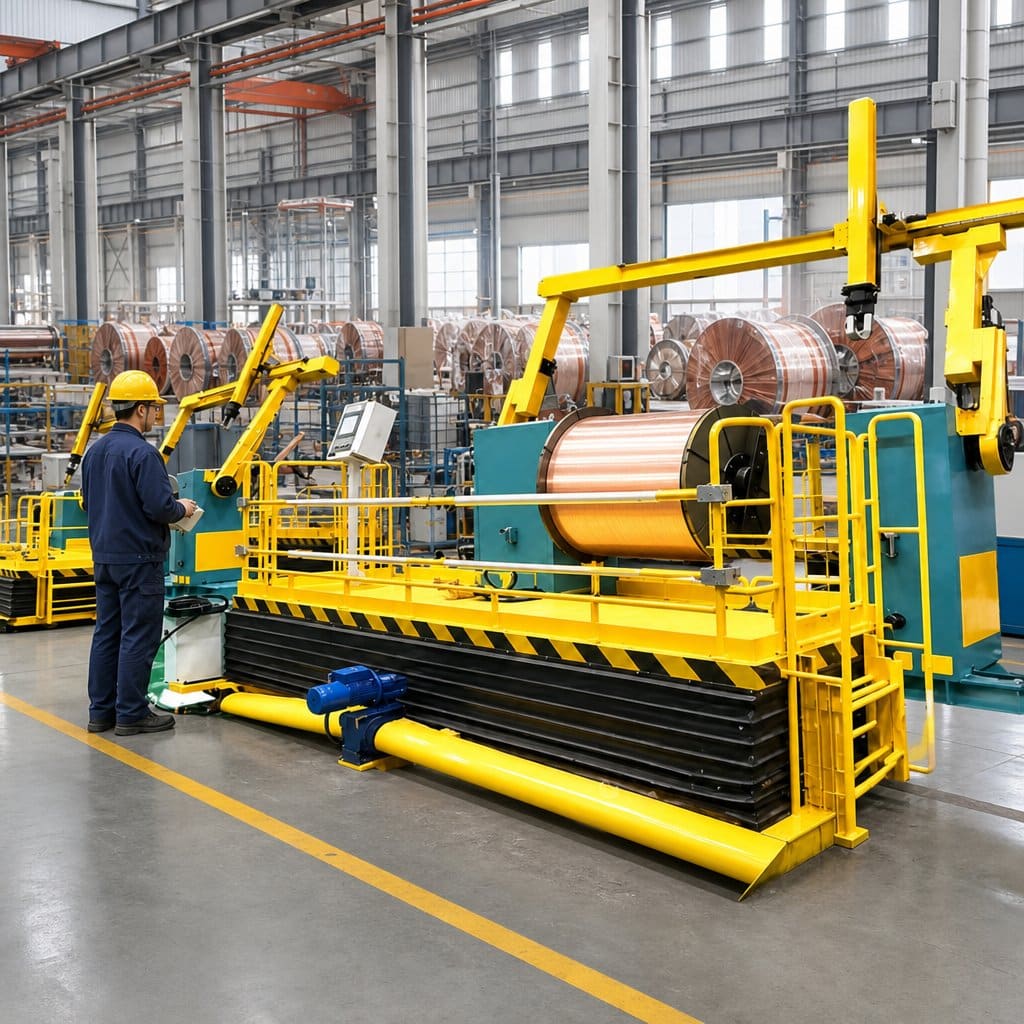
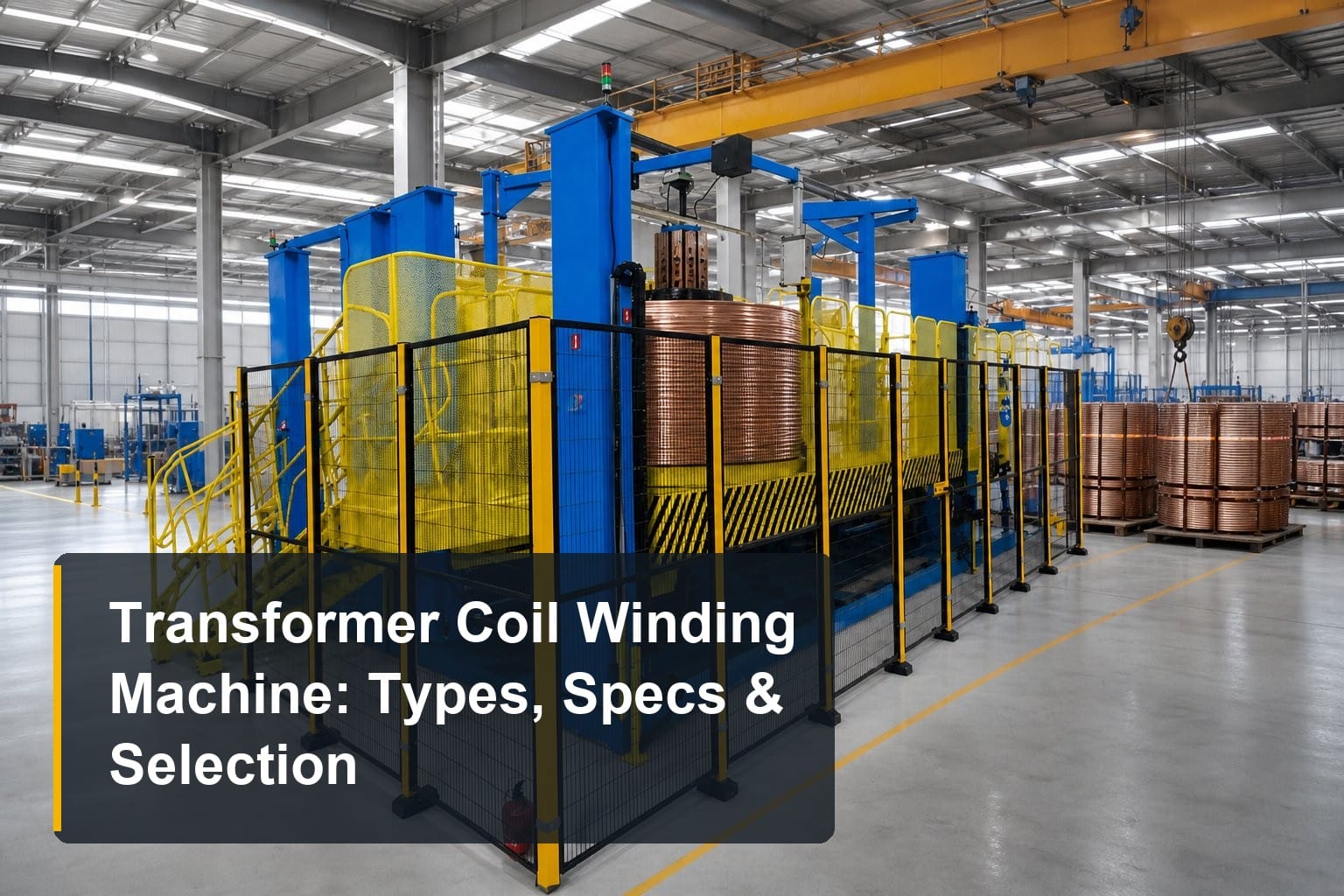
A transformer coil winding machine is a powered rotating machine that winds insulated copper or aluminum conductor — round wire, flat wire, or foil — onto a mandrel or former to build transformer coils. It controls rotation speed, conductor tension, and turn count while the operator (or an automatic laying system) guides the conductor into place.
The machine sits at the center of the coil shop: upstream, conductor and insulation materials are prepared and tensioned; downstream, finished coils move to pressing, drying, and assembly. Because coil geometry directly affects impedance, losses, and short-circuit strength, the winding machine largely determines whether the finished transformer passes its type tests.
The Main Types of Transformer Coil Winding Machines
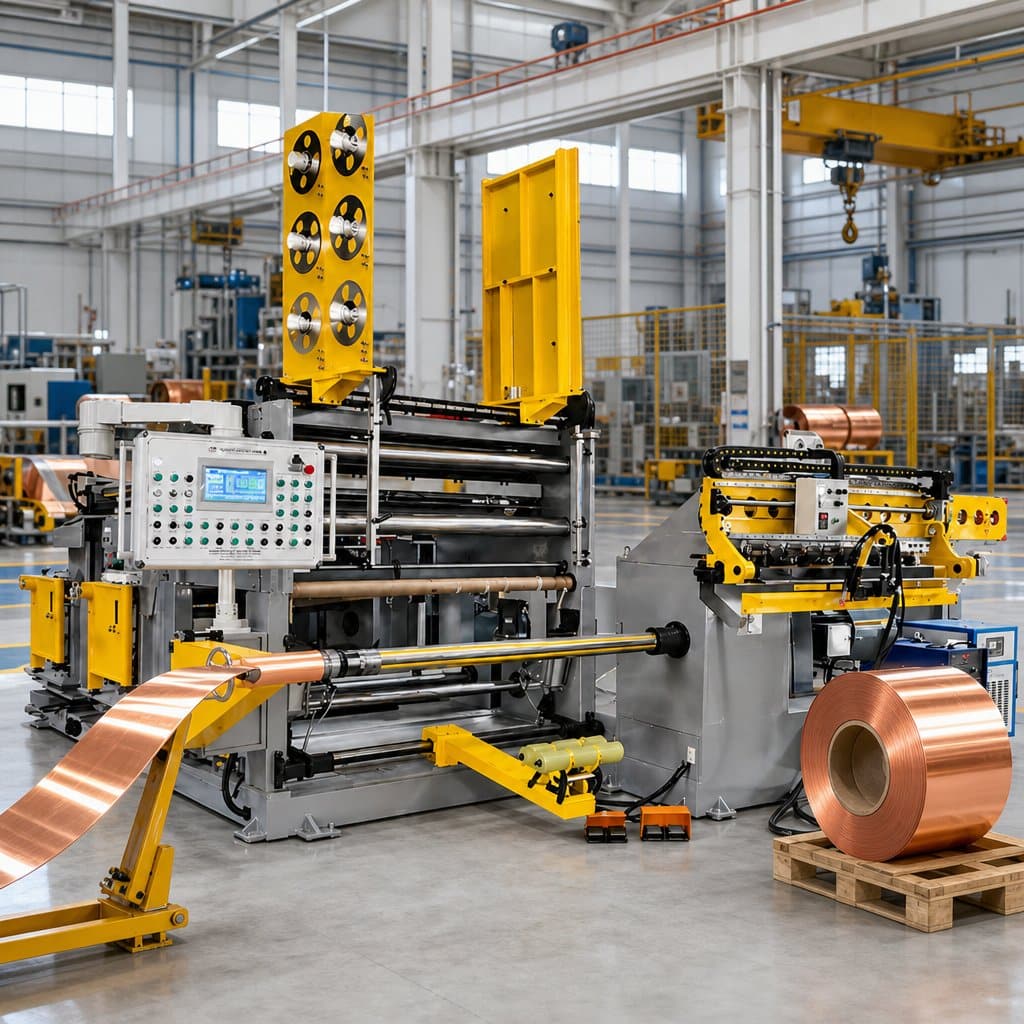
Different transformers need different winding equipment. The five mainstream configurations differ in orientation, load capacity, conductor form, and automation level:
1. Vertical winding machines — for large HV and EHV coils
Vertical machines wind large high-voltage and extra-high-voltage coils (continuous and disc types) in an upright axis, typically in a pit-mounted, elevating-chuck configuration. Capacities run from 5 to 45 tons with faceplate diameters of 1200–3200 mm and torque up to 45,000 N·m. Gravity keeps tall coils stable, and the platform sinks as the coil grows. For specifications, see the vertical winding machine product page; our vertical coil winding machine buying guide walks through the evaluation, and a Houston case study shows one in production.
2. Horizontal winding machines — heavy-duty workhorses
Horizontal machines wind large-capacity power transformer and reactor coils on a horizontal axis between a headstock and tailstock. They handle 1–25 tons, winding diameters up to 3400 mm, and spindle torque to 25,000 N·m, with constant-torque variable speed up to 120 rpm. See the horizontal winding machine page for details, and a Dubai reactor coil case for a real installation. For a step-by-step selection walkthrough, see our guide on how to choose a horizontal winding machine. If you are weighing the two orientations, our vertical vs. horizontal comparison breaks down the decision.
3. Foil winding machines — for LV foil coils
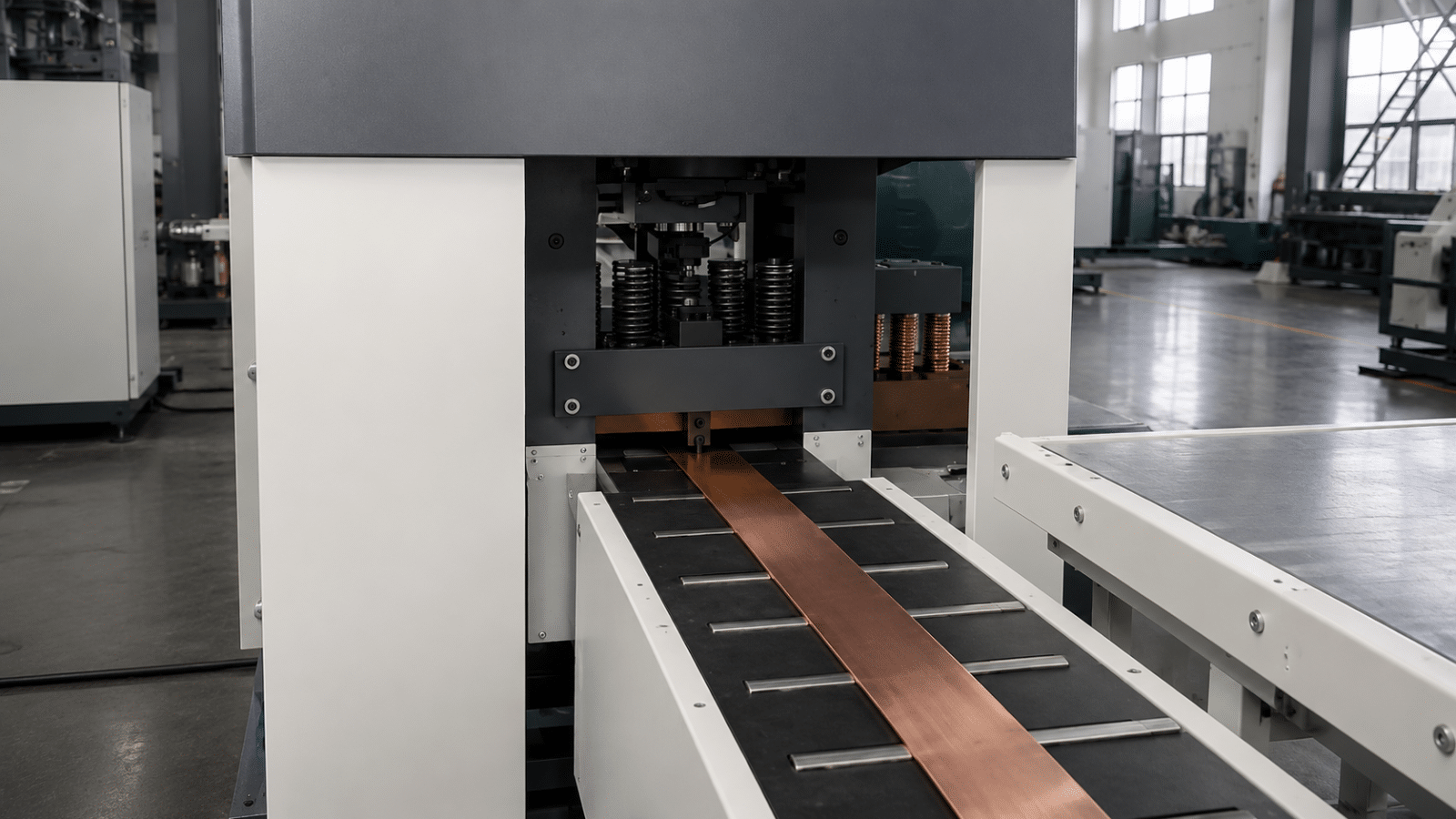
Distribution and dry-type transformers increasingly use foil-wound LV coils. Foil winders feed copper or aluminum foil with automatic edge alignment (±0.5 mm correction accuracy), constant tension, and TIG welding for lead connections. Single-layer foil machines handle foil 0.35–2.2 mm thick; double-layer machines wind two foils simultaneously (0.7–4.4 mm combined) for higher throughput and coil strength.
4. Automatic HV winding machines — CNC speed for distribution coils
For volume production of distribution-class HV coils, automatic machines combine PLC control with servo wire laying at up to 280 rpm. They handle round enamelled wire from 0.3 to 4.0 mm and flat wire to 3×12 mm, storing recipes for round, oval, and rectangular coils. The automatic HV winding machine (1200) covers axial heights to 1200 mm, while the 800 mm version suits mid-size distribution coils.
5. Universal and 3D wound-core machines — specialized configurations
Two more configurations round out the range. Universal high-low voltage machines (2–3 T, two-speed gearboxes plus VFD) cover mixed HV/LV production for distribution transformers. For 3D wound-core designs, the 3D wound core coil winding machine winds directly around the horizontally placed core with powered tilting, serving 50–630 kVA oil-immersed units.
How the Winding Process Works
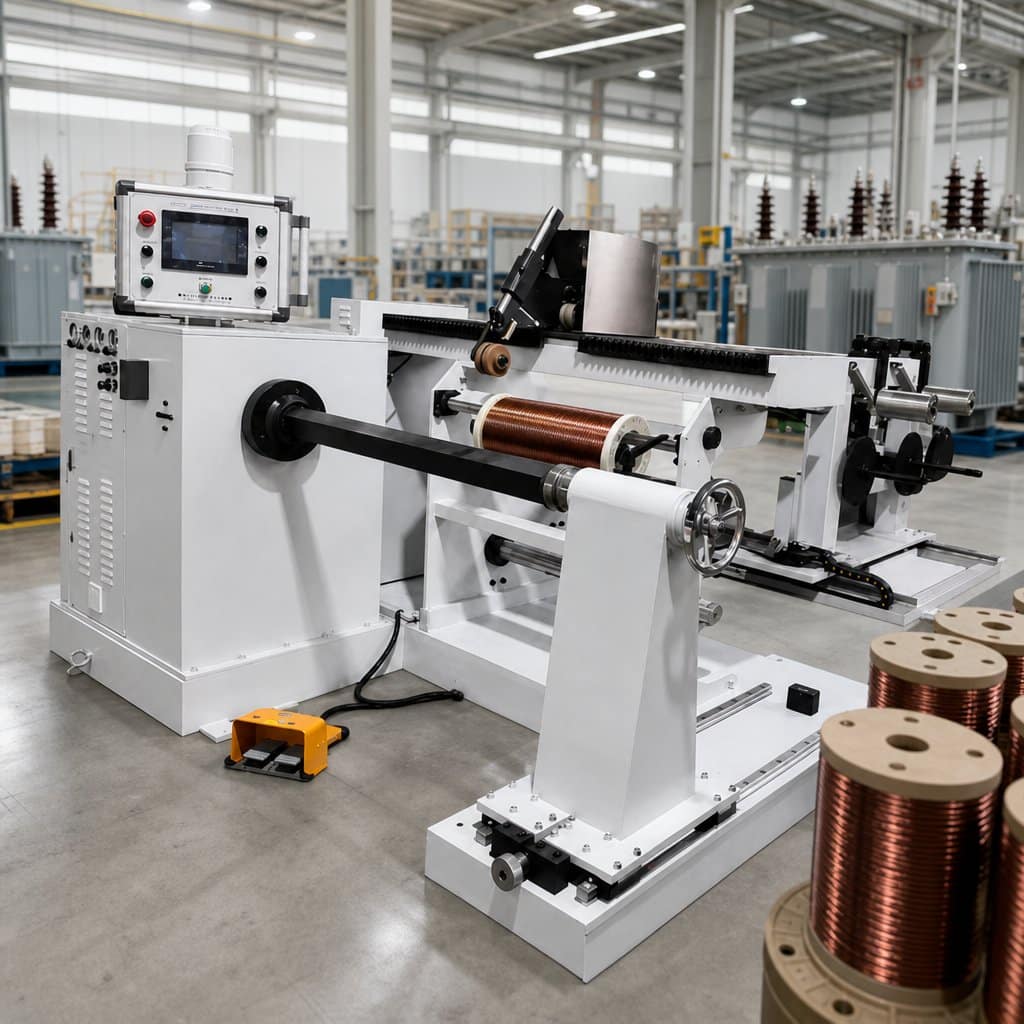
Stage 1: Pay-off and tension control
Conductor unwinds from spools or reels through a tension pay-off system. Constant tension is critical: too loose and the coil springs back and wastes copper; too tight and the conductor stretches or the insulation cracks. A dedicated tension pay-off stand holds tension adjustable from 0–100 N·m with anti-reverse braking — tight enough control to save 1.5–2 kg of copper on a single 1000 kVA coil.
Stage 2: Mandrel and tooling setup
The coil is wound over a mandrel that defines its inner diameter. Adjustable mandrels cover ranges such as 180–3000 mm with diameter deviation within 1 mm, expanding for winding and contracting for damage-free release. The expandable winding mandrel is the standard tooling, and this Chilean case study shows how fast changeover works in a multi-specification shop.
Stage 3: Winding, laying, and counting
The spindle rotates under variable-frequency or servo control while the conductor is laid turn by turn — by hand on conventional machines, or by a servo-driven laying carriage on automatic ones. Turn counters track forward and reverse rotation with power-loss memory, so a coil is never lost mid-count. Insulation paper or interlayer material is inserted at programmed points.
Stage 4: Finishing and removal
At the final turn, ends are anchored and taped, leads are formed, and the coil is compressed and removed from the mandrel — vertically lifted on a vertical machine, or slid off with tailstock support on a horizontal one. From here the coil moves to pressing, drying, and assembly.
Key Specifications to Compare
Load capacity and torque
Capacity must cover your heaviest coil with margin: 1–25 T for horizontal machines, 5–45 T for vertical ones. Torque matters as much as weight — a large-diameter coil at slow speed demands high starting torque, so compare torque figures (1,000–45,000 N·m across the range) at the speed you will actually run.
Speed and control system
Conventional machines use VFD-controlled motors with soft start and constant-torque adjustment (0–120 rpm); automatic machines add PLC + servo control reaching 280 rpm with recipe storage. The control class determines both throughput and how repeatable your coils are across operators and shifts.
Conductor and coil envelope
Match the machine to your conductor: round wire 0.3–4.0 mm, flat wire to 3×12 mm, or foil 0.35–5.4 mm depending on type. Then check the envelope — maximum coil outer diameter and axial height — against your product roadmap, not just today’s largest order.
Tension control quality
Tension stability is the hidden specification. Constant, adjustable tension produces tight, dimensionally stable coils and measurable copper savings; unstable tension shows up later as loose coils, failed impulse tests, and rework. Ask suppliers how tension is controlled and measured across the full speed range.
How to Choose the Right Winding Machine for Your Factory
Based on the five types above, the selection logic is straightforward:
- Large HV / EHV power transformers → vertical winding machine
- Large-capacity transformers and reactors, heavy coils → horizontal winding machine
- Distribution or dry-type LV foil coils → single or double-layer foil winding machine
- Volume production of distribution HV coils → automatic HV winding machine (800 or 1200)
- Mixed small-batch HV/LV work → universal high-low voltage machine
- 3D wound-core transformers → 3D wound core winding machine
Two final checks before signing: verify that quoted torque and tension hold at your working speed (not just at no-load test), and confirm mandrel and pay-off compatibility with your coil range — the tooling ecosystem matters as much as the machine itself.
Frequently Asked Questions
Should I choose a vertical or horizontal winding machine?
Vertical machines suit large HV/EHV coils where gravity stabilizes tall windings and floor space allows a pit; horizontal machines suit heavy, large-diameter coils and reactors with easier loading. Our detailed vertical vs. horizontal comparison covers the trade-offs.
What capacity winding machine do I need?
Add up your heaviest coil including mandrel weight, then add 25–30% margin. Distribution transformer shops typically need 2–5 T; mid-size power transformers 10–25 T; EHV work up to 45 T on vertical machines.
Foil or wire for LV coils — which machine does that mean?
Foil coils (wound on foil machines) give better short-circuit strength, thermal performance, and faster winding for distribution and dry-type transformers; wire coils remain standard for HV and for designs requiring tap changers or complex sections. Many factories run both.
Is an automatic HV winding machine worth the investment?
If you produce distribution-class HV coils in volume, yes. PLC + servo laying at 280 rpm with stored recipes removes operator-dependent variation and typically doubles output per shift compared with manual laying — the payback comes from labor and consistency, not speed alone.
Summary: Match the Machine to the Coil, Then the Coil to Your Roadmap
Choosing a transformer coil winding machine comes down to three questions in order: what conductor and coil envelope do you wind; what capacity and torque does your heaviest coil demand; what control level does your volume justify. Answer those, and the right type selects itself — then validate tension control and tooling before you sign.
Planning a coil winding investment? Send us your coil drawings and target output — we will recommend the machine type and capacity that fit, with verified torque and tension data.
📞 Phone: +86-15958243831
📧 Email: sales@tranfovia.com
💬 WhatsApp: https://wa.me/8615958243831
🌐 Website: tranfovia.com
References
- IEC 60076-1: Power transformers — General
- IEC 60076-7: Loading guide for oil-immersed power transformers
- IEEE C57.12.00 — General Requirements for Liquid-Immersed Transformers
- Magnet Wire — Conductor and Insulation Fundamentals
- ASTM B49 — Copper Rod for Electrical Purposes
- Tranfovia — Transformer Manufacturing Equipment