TL;DR: A complete transformer manufacturing equipment package covers six process stages — silicon steel slitting and cutting, core stacking, coil winding, insulation processing, drying and oil filling, and busbar fabrication — plus assembly and testing equipment. Budgets scale with capacity, automation level, and voltage class: distribution transformer lines start with a compact machine set, while power transformer plants need heavy-duty versions of every stage. This guide maps the full equipment list, shows where the money actually goes, and gives you a step-by-step budgeting method.
Setting up a transformer factory — or expanding one — starts with a question that brochure prices never answer: what does the complete line cost, stage by stage? This guide maps the full transformer manufacturing equipment package following the real transformer manufacturing process, explains the budget structure, and ends with a practical method for building your own number before you request a single quotation.
What a Complete Transformer Production Line Includes
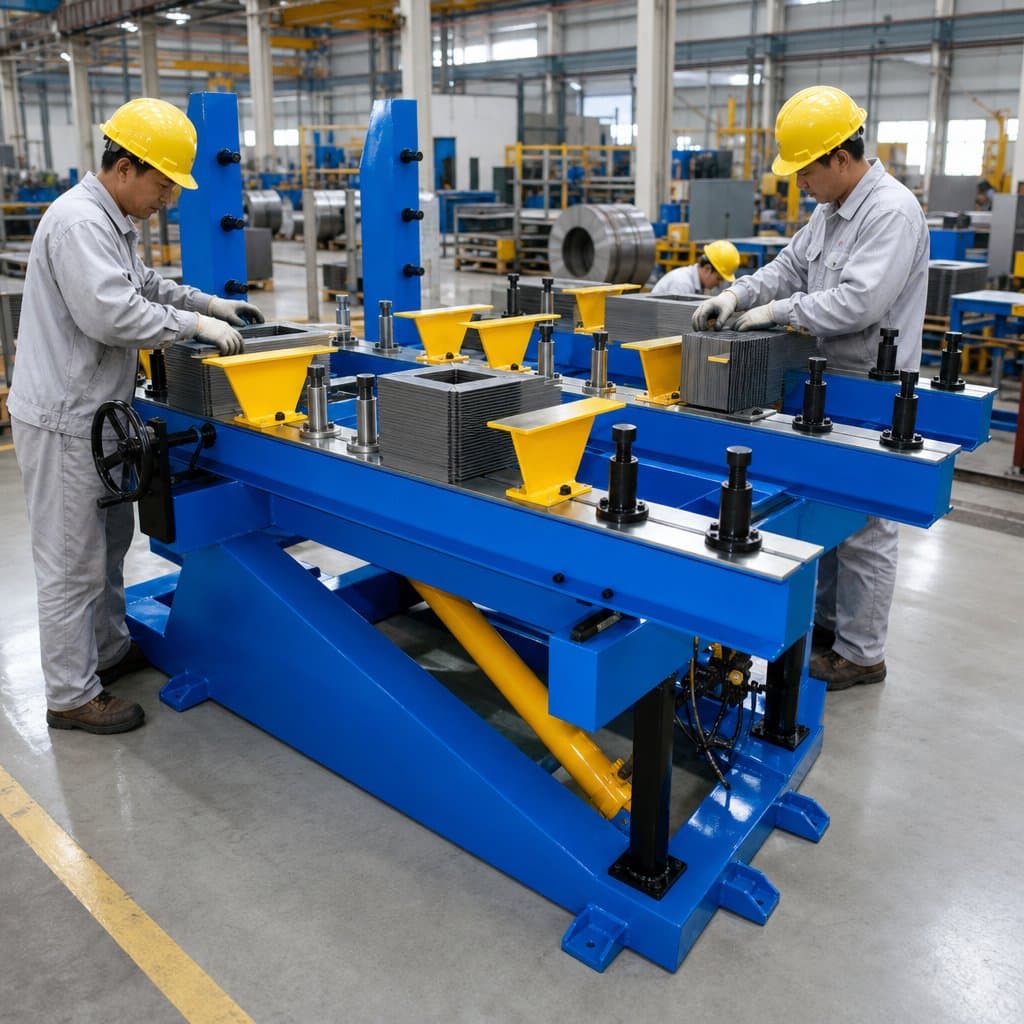
Equipment follows the process. A complete line covers six core stages, each with its own machine group:
Stage 1: Silicon steel slitting and cutting
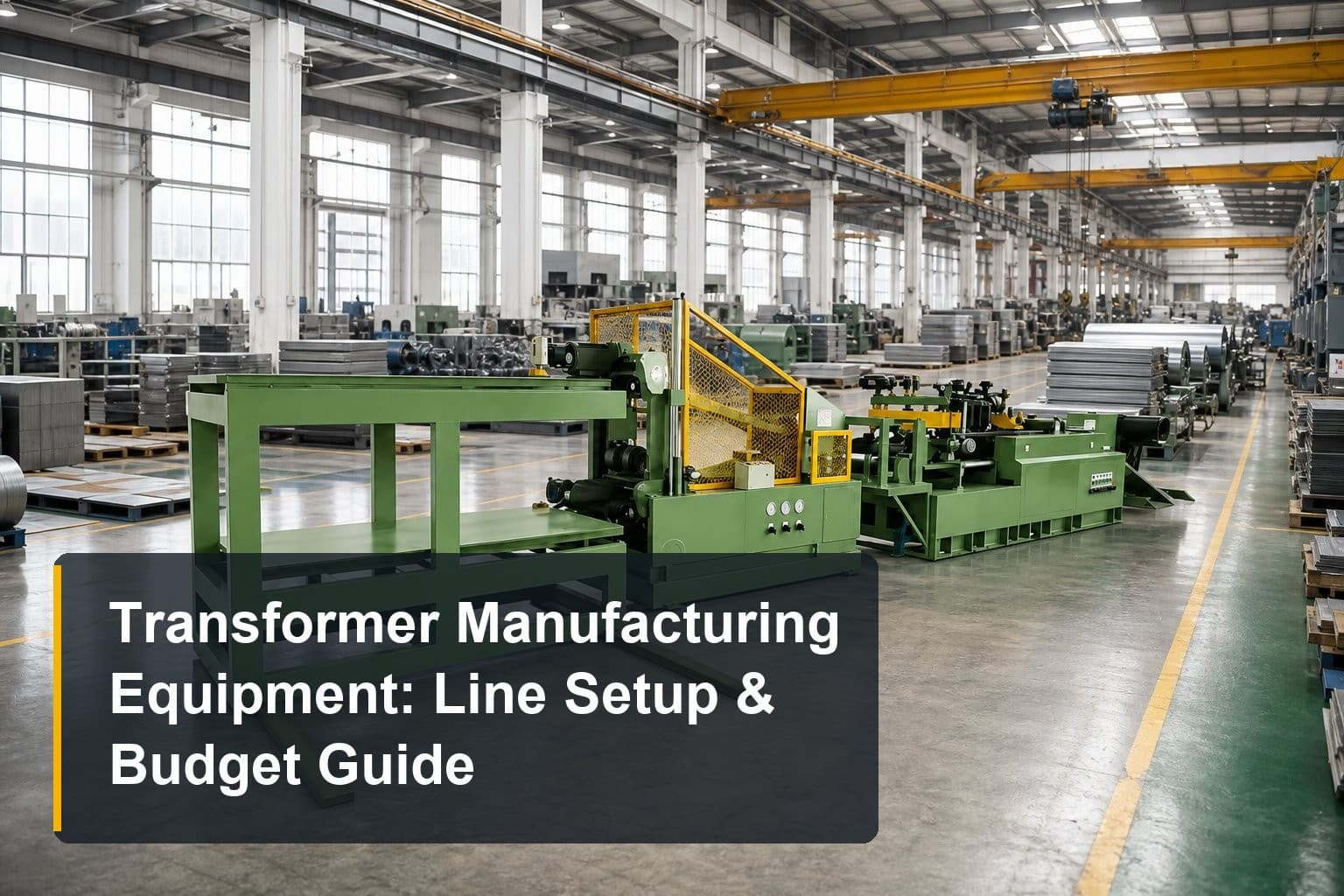
Core production starts with a slitting line that cuts master coils into strips, then a cut-to-length line that produces finished laminations. The transformer core cutting line family alone spans five configurations — center positioning, servo sorting, heavy-duty large-transformer, side positioning, and center piece lines — chosen by width range and volume.
Stage 2: Core stacking and assembly
Cut laminations are stacked on stacking and tilting tables, then secured with core banding machines. This stage is labor-heavy without the right tables, and its equipment cost is modest compared to cutting — but skipping it throttles the whole line.
Stage 3: Coil winding
The coil shop needs winding machines matched to your product mix: vertical machines for large HV coils, horizontal machines for heavy power and reactor coils, foil winders for LV distribution coils, plus tension pay-off stands and expandable mandrels as essential tooling. The full type map is in our coil winding machine guide.
Stage 4: Insulation processing
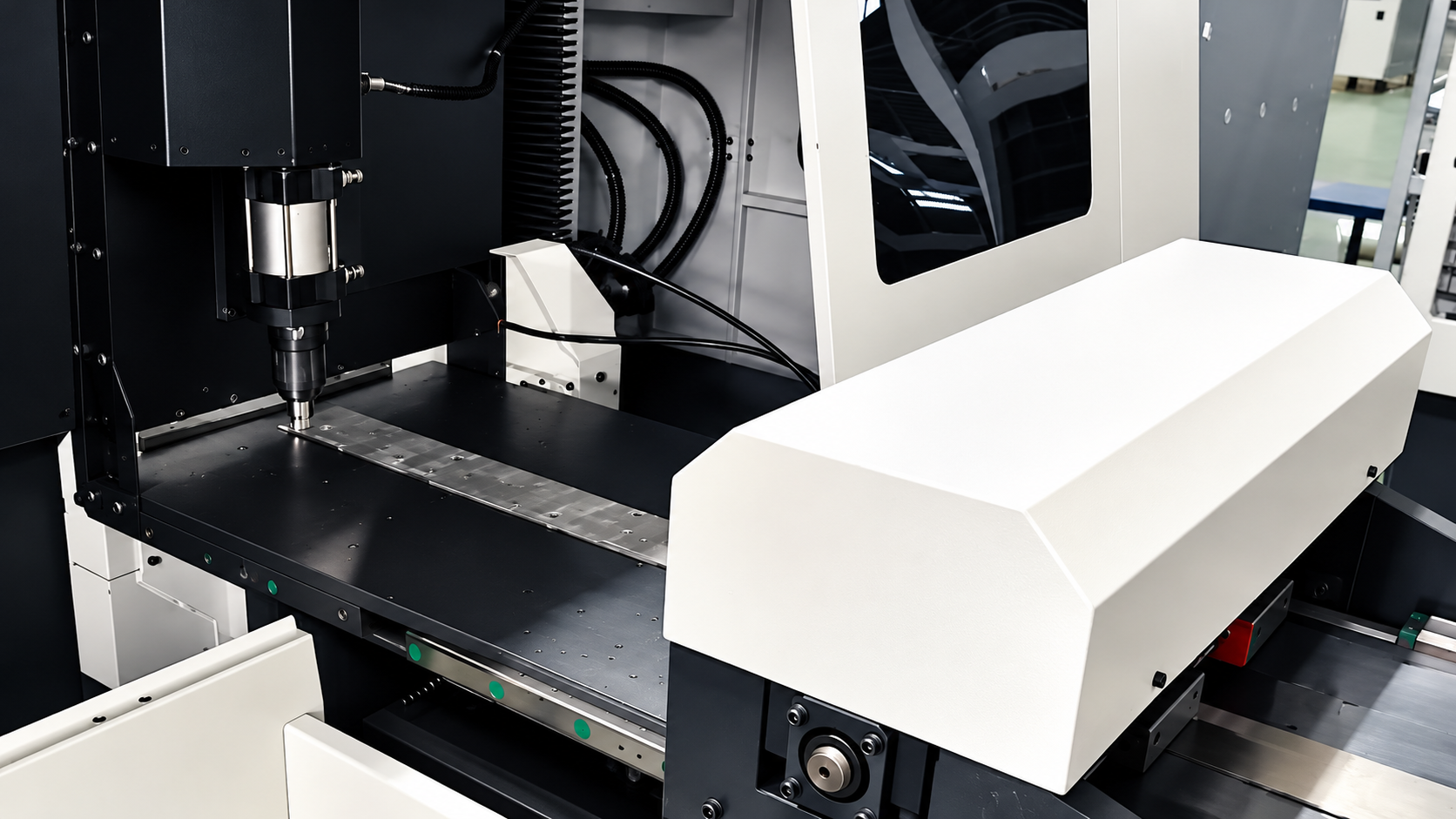
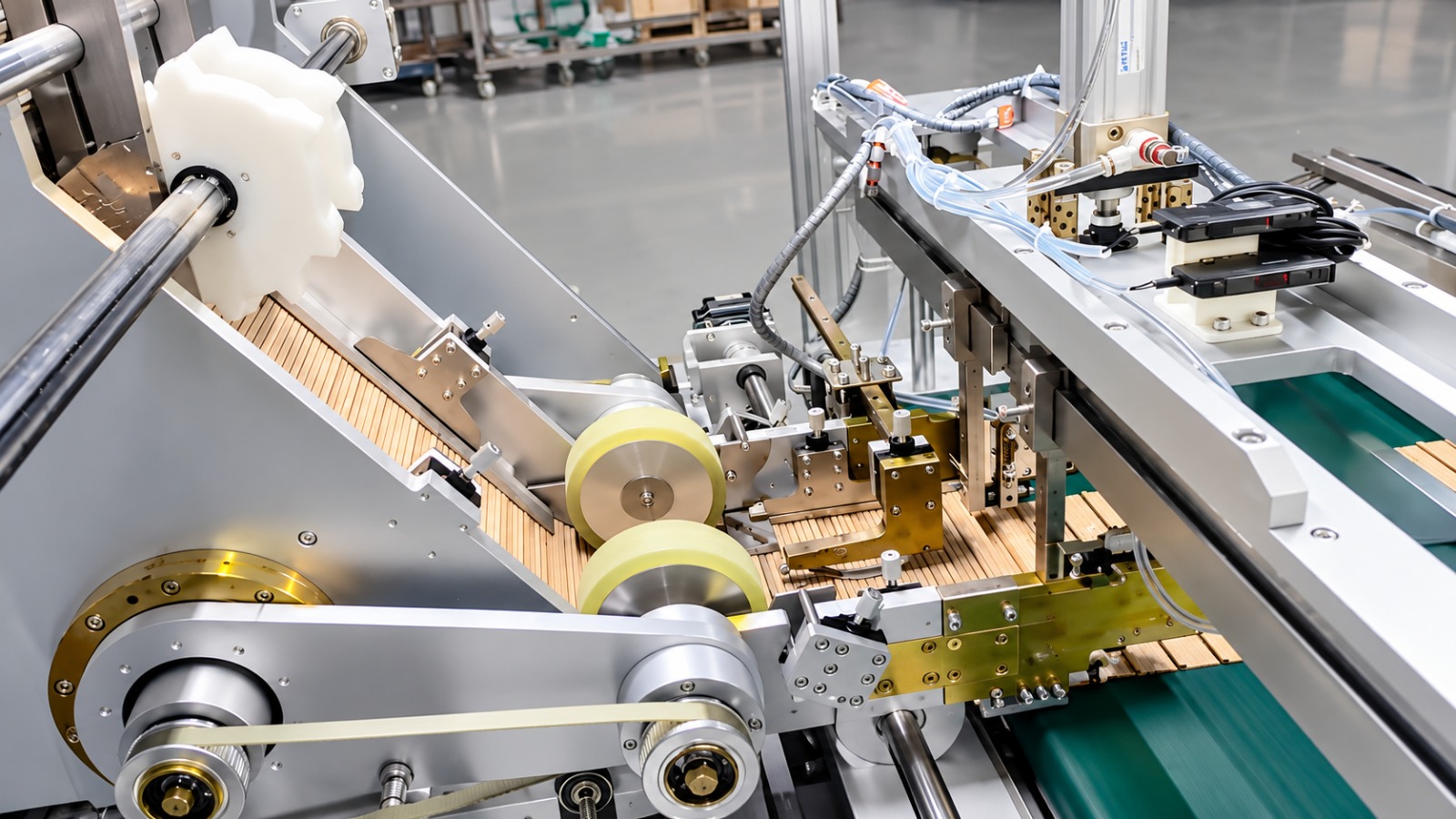
Cylinders, spacers, end rings, and strips come from pressboard processing equipment: cutting, rolling, bonding, milling, and finishing machines. Small plants outsource some insulation parts; volume producers bring this in-house.
Stage 5: Drying, oil filling, and curing
Vacuum drying (or vapour phase drying for large units), vacuum oil filling, and curing ovens for dry-type transformers. This stage determines insulation quality and test pass rates — underinvesting here shows up as failed routine tests.
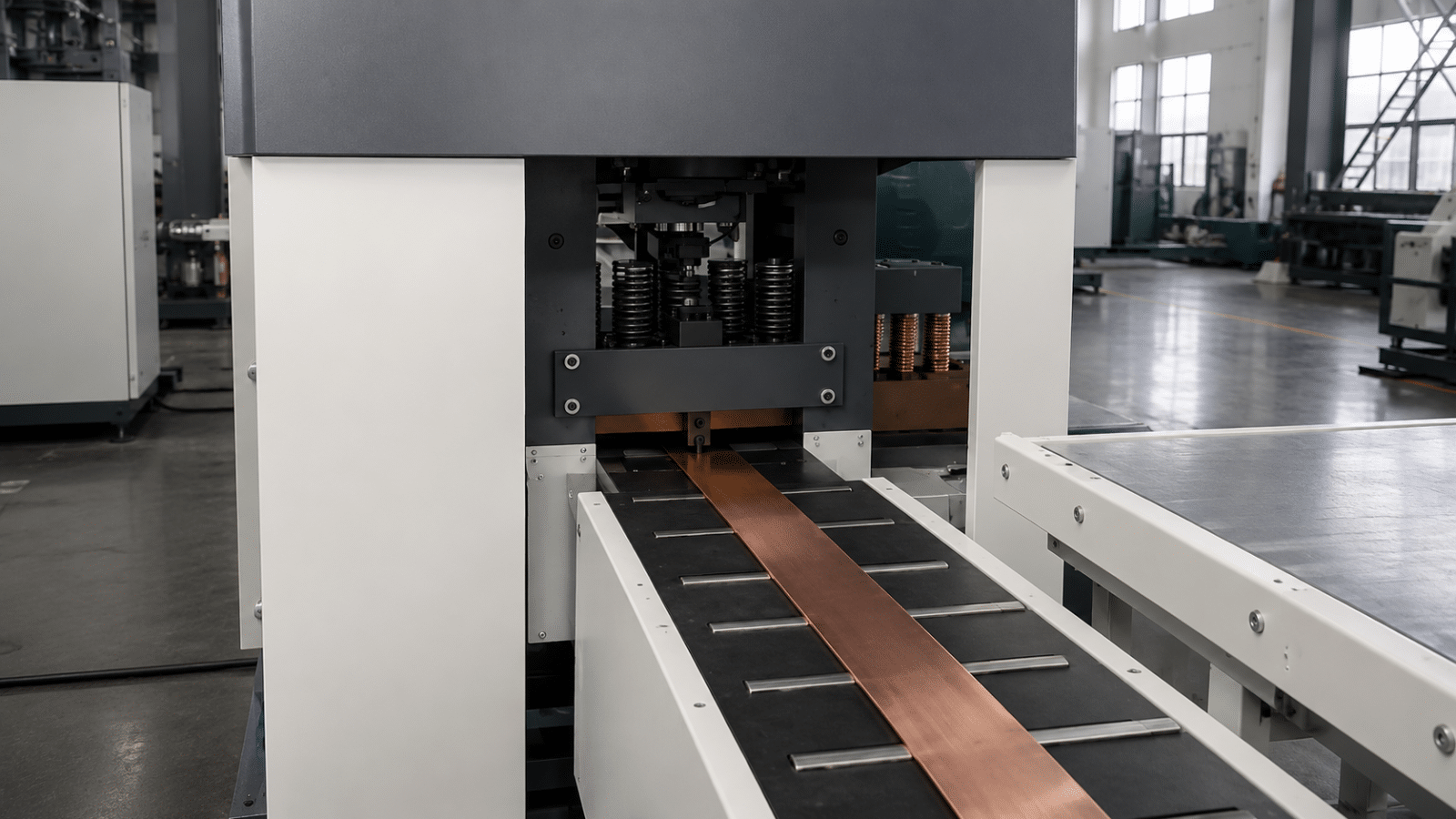
Stage 6: Busbar fabrication and final assembly
Connection bars come from busbar processing machines — punching, shearing, and bending — while assembly platforms, coil lifting beams, and coil press machines support final assembly before the test bay.
Budget Structure: Where the Money Actually Goes
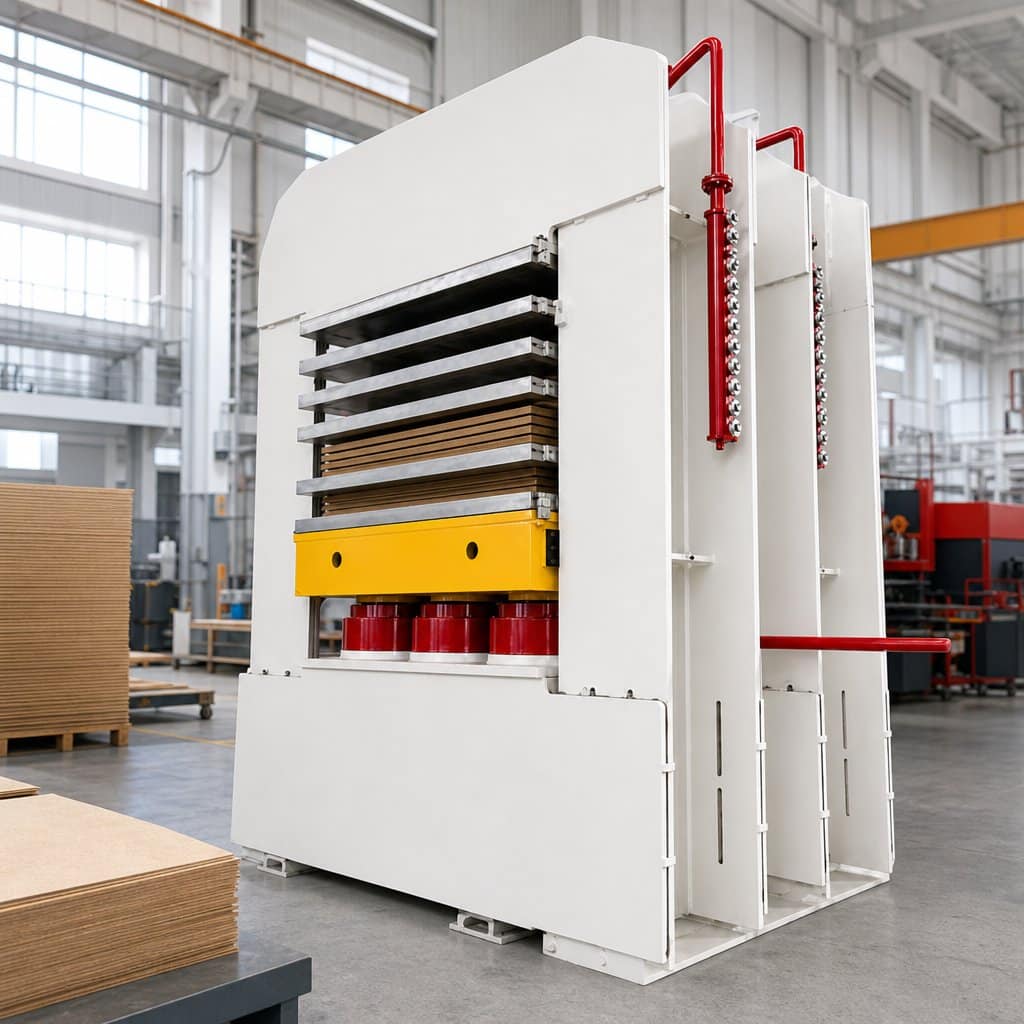
Across the projects we see, the equipment budget splits into four blocks. The percentages below are indicative — product mix shifts them — but the pattern is stable:
- Core and coil production (roughly half the budget): cutting lines, stacking tables, and winding machines. These define your capacity and product class, and they deserve the largest share.
- Drying and process equipment (roughly a quarter): vacuum drying, oil filling, and curing. Costs climb steeply with transformer voltage class — vapour phase drying for large power units costs multiples of a hot-air system for distribution units.
- Insulation, busbar, and auxiliary equipment (roughly 15%): pressboard processing, busbar machines, assembly platforms, lifting and handling tooling.
- Installation, commissioning, and contingency (10–15%): freight, rigging, foundation work, commissioning support, operator training, and spare tooling. First-time buyers routinely underfund this block.
Cost Drivers That Move the Number
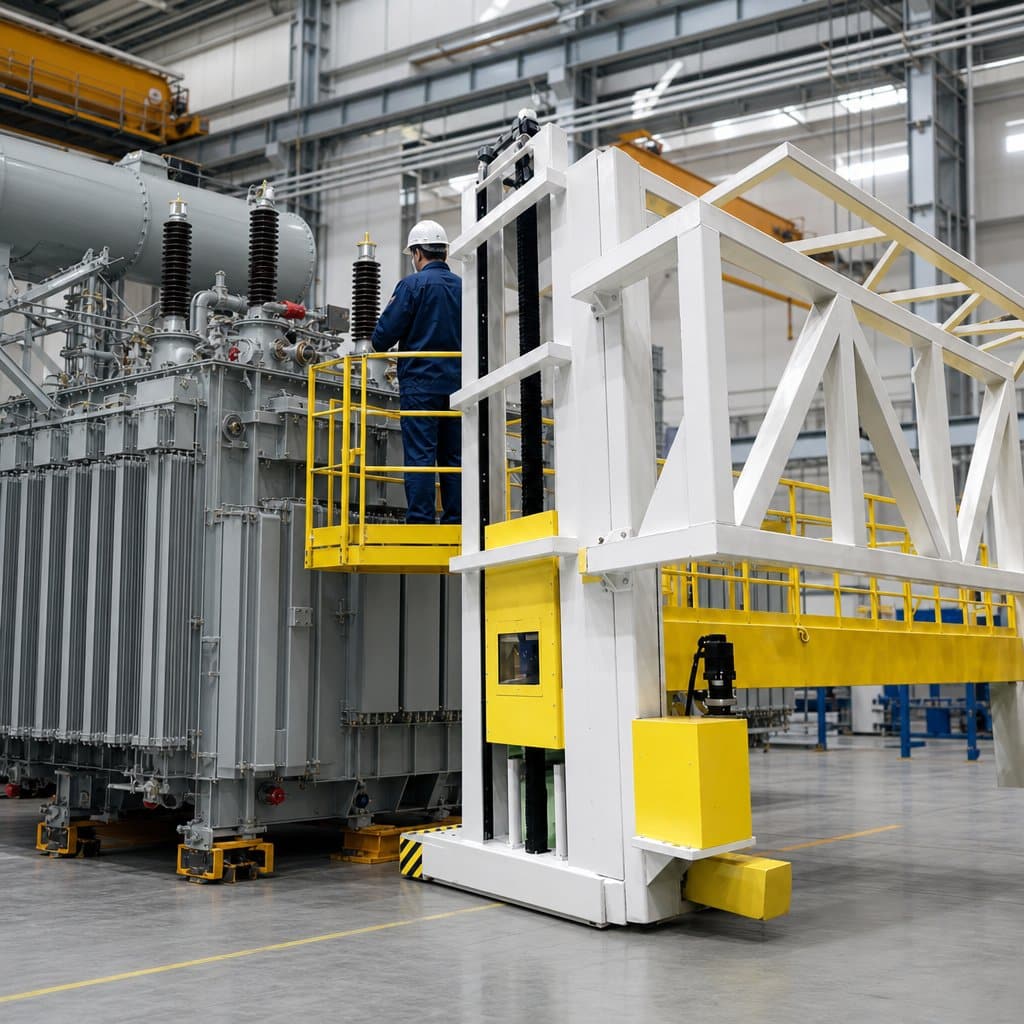
Four variables explain most of the price difference between two quotations for the “same” line:
Capacity and size envelope
Wider coils, heavier loads, and larger transformers multiply machine cost. A 1000 mm wide heavy-duty cutting line and a 45-ton vertical winding machine belong to a different budget class than their distribution-scale counterparts — decide your product class first, because it fixes the size of every downstream machine.
Automation level
Servo sorting on cutting lines, CNC control on winders and busbar machines, and automatic feeding systems each add cost and remove labor. The trade-off is arithmetic, not opinion: multiply the labor hours removed per year by your labor cost, and compare against the automation premium.
Component brands
PLC, servo drives, bearings, and hydraulic components from tier-one brands cost more upfront and fail less. Ask every supplier for a component brand list — it is the fastest way to make two quotations comparable.
New factory vs. upgrade
Upgrading an existing line usually means one bottleneck machine plus tooling, not a full package. Identify the bottleneck by measuring where WIP accumulates; the cheapest capacity is the constraint you remove, not the machine you add.
How to Build Your Budget: A Step-by-Step Method
Step 1: Fix the product mix
Write down the transformer types, ratings, and annual volumes you will produce in year one and year three. Every machine specification derives from this page.
Step 2: Map the process to a machine list
Walk the six stages above and list the machine each step requires at your capacity — including tooling (mandrels, pay-off stands) and handling (platforms, lifting beams), which are the items most often forgotten.
Step 3: Specify before you quote
Request quotations against a written specification — capacity, accuracy with test conditions, component brands, commissioning scope — so every supplier prices the same machine. Unspecified quotes are not comparable.
Step 4: Add the hidden 15%
Freight, installation, training, spares, and contingency. If a turnkey figure does not itemize these, they are not included.
Step 5: Audit before you commit
Once the budget is set, verify the supplier before signing — our supplier audit checklist covers the five verification steps and the red flags that end conversations.
Frequently Asked Questions
What is the minimum equipment set for a distribution transformer workshop?
A compact set covering all six stages: one cut-to-length line, a stacking table, winding machines matched to your HV/LV mix, basic insulation tooling, a vacuum drying and oil filling unit, and a 3-in-1 busbar machine — plus handling tooling. The exact machine class follows your kVA range and volume.
Which stage should I automate first?
The one where labor cost or quality errors concentrate. For most factories that is cutting-line sorting (servo stacking removes a full manual station) or winding (CNC control removes operator-dependent variation). Measure labor hours per transformer by stage first.
Should I buy a turnkey package or machine by machine?
Turnkey from one supplier simplifies interface responsibility, commissioning, and after-sales — one contract, one accountable party. Machine-by-machine can optimize each purchase but puts integration risk on you. First-time plants benefit most from turnkey; experienced plants upgrading selectively can buy per machine.
How accurate are budget estimates before quotations?
Process-mapped estimates with correct machine classes typically land within a reasonable band of final quoted prices; estimates based on a single “line price” from a brochure do not. The step-by-step method above is what closes the gap.
Summary: Budget Follows Process, Process Follows Product
Build the number in order: fix your product mix, map six process stages to machines, specify before quoting, add the hidden 15%, and audit the supplier before signing. A budget built this way survives contact with real quotations — and the line it buys matches what you actually intend to manufacture.
Planning a new line or an upgrade? Send us your product mix and target capacity — we will map the complete equipment list with specifications and a stage-by-stage budget breakdown.
📞 Phone: +86-15958243831
📧 Email: sales@tranfovia.com
💬 WhatsApp: https://wa.me/8615958243831
🌐 Website: tranfovia.com
References
- IEC 60076-1: Power transformers — General
- IEEE C57.12.00 — General Requirements for Liquid-Immersed Transformers
- Transformer Manufacturing Process Explained — The Six Stages
- ISO 9001:2015 — Quality Management Systems
- Transformer — Design and Construction Overview
- Tranfovia — Transformer Manufacturing Equipment