TL;DR: Auditing a transformer equipment supplier from China before you sign is the single highest-ROI step in the buying process. Verify five things: real manufacturing capability (not a trading company), written specifications with FAT verification, reference installations you can contact, after-sales and commissioning capacity, and clean commercial terms. This checklist walks through each step — with the red flags that should end the conversation.
Buying transformer manufacturing equipment is a six-figure decision with a ten-year consequence. A cutting line that drifts out of tolerance, or a winding machine whose supplier stops answering emails after commissioning, costs far more than the price difference between suppliers. The uncomfortable truth about choosing a transformer equipment supplier from China: the risk of skipping the audit is greater than the risk of choosing the “wrong” audited supplier. This guide gives you the complete audit checklist we recommend to every buyer — whether you are sourcing a core cutting line, a coil winding machine, or a busbar processing machine.
Why Supplier Auditing Matters More Than Price Comparison

Transformer equipment is not a commodity. Two machines with identical brochure numbers can differ completely in frame rigidity, component brands, and assembly quality — and every one of those differences surfaces only after installation. An audit converts brochure claims into verified facts before your deposit leaves the account. It also tests something equally important: how the supplier behaves under scrutiny, which predicts how they will behave when you need spare parts at year three.
The Supplier Audit Checklist
1. Verify real manufacturing capability
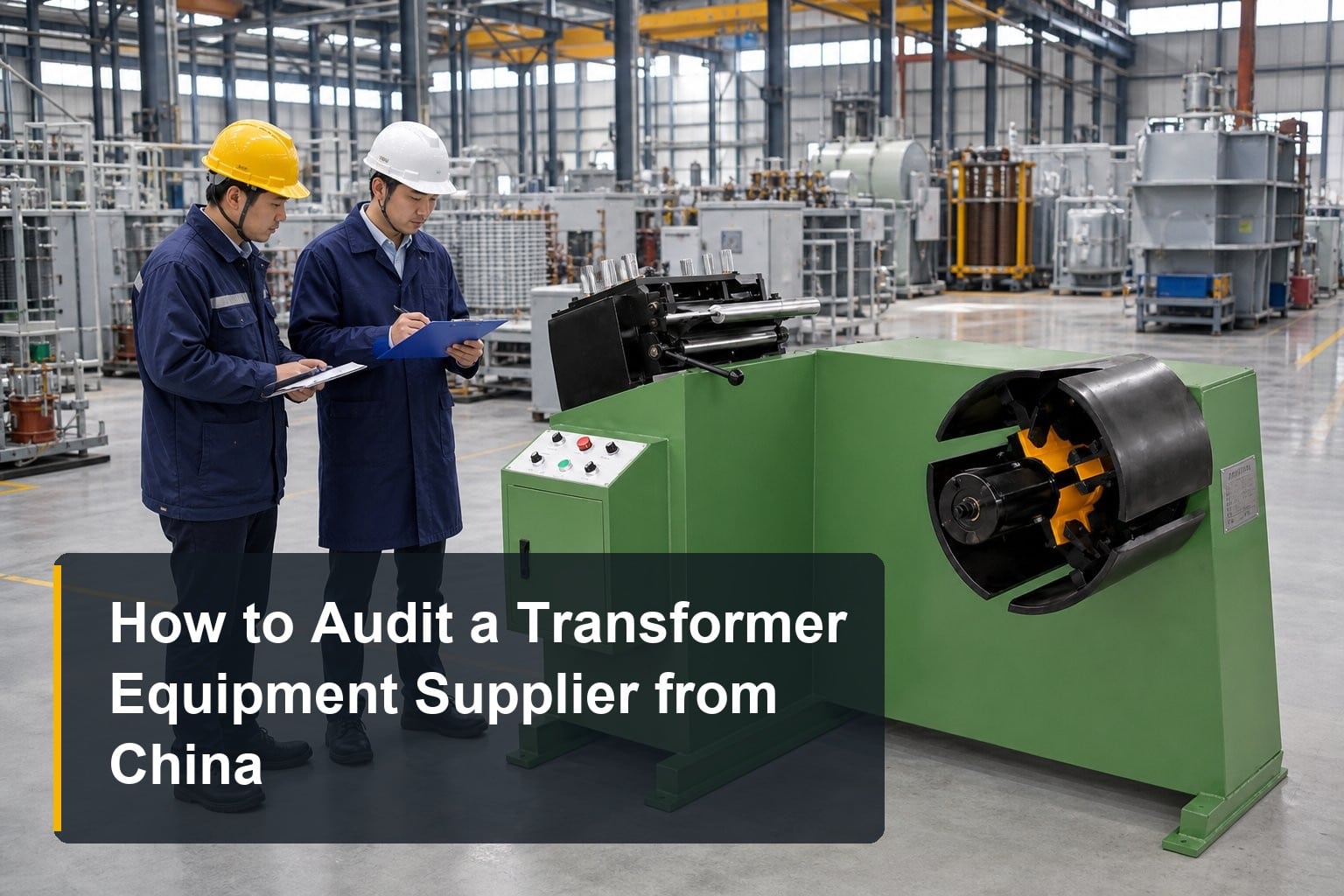
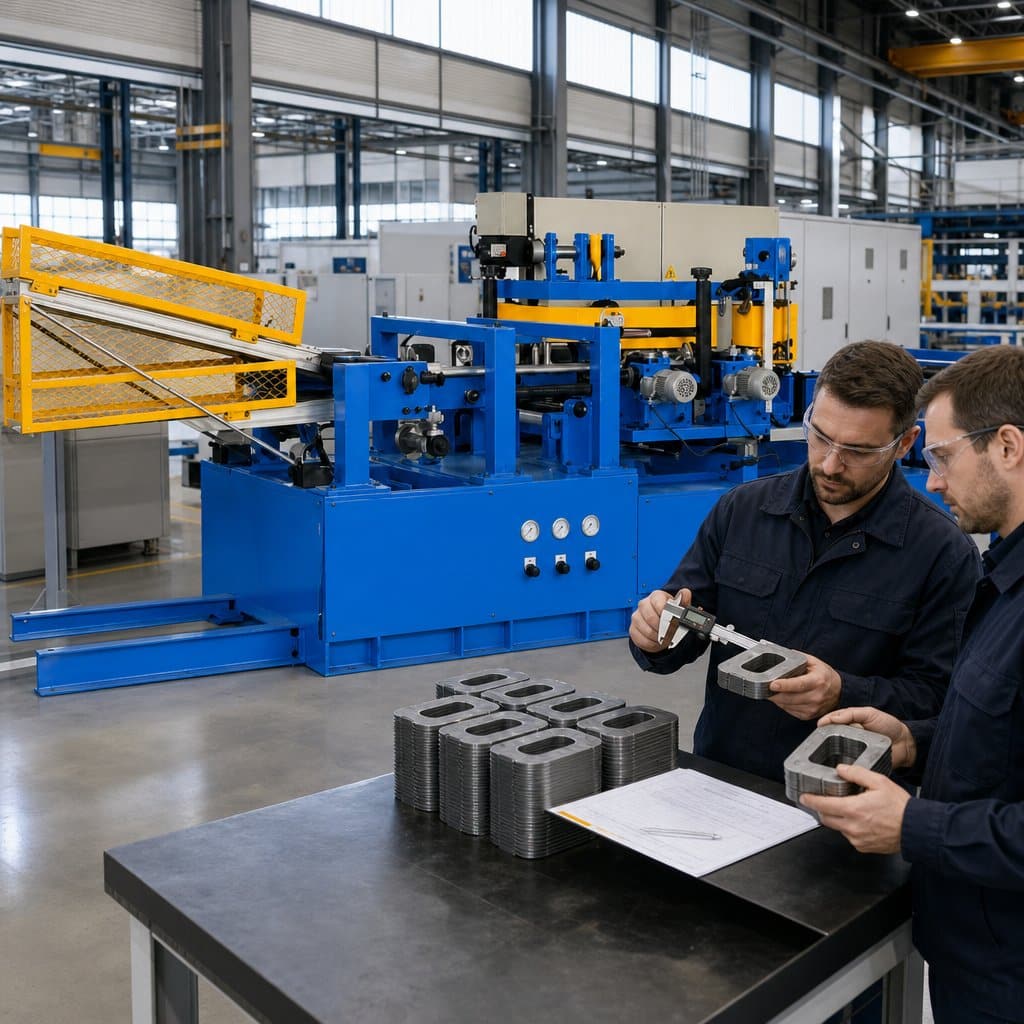
The first question is simple: does this company actually build the machine? Ask for a live video walkthrough of the machining workshop, assembly bay, and testing area — a genuine manufacturer shows CNC machining centers, welding stations, and machines in various assembly stages. A trading company shows a showroom. Check the business license scope, factory address, and how long the same entity has exported equipment in this category.
2. Get specifications in writing — with verification methods
Every accuracy figure must come with two attachments: the test method and the conditions. “Cutting accuracy ±0.1 mm” means nothing without knowing whether it was measured at full production speed or at crawl speed with a test gauge. Require the specification sheet to state measurement conditions explicitly, and write the key figures into the contract as acceptance criteria, not marketing attachments.
3. Check reference installations you can actually contact
Ask for three export references in your region or application, with contactable persons. A short video call with an existing user tells you more than any factory tour: ask about installation time, accuracy after six months, spare parts response, and whether they would buy again. Case studies with named countries and applications — like a winding machine installed in Houston or a cutting line running in Brazil — are verifiable; anonymous “customer in Asia” claims are not.
4. Evaluate after-sales and commissioning capacity
The machine is only half the purchase. Confirm: how many service engineers does the supplier have, do they travel for installation and commissioning, what is the spare parts delivery commitment, and is remote diagnostics supported? Ask for the commissioning plan in writing — duration, scope, and what training your operators receive. A supplier who cannot describe their commissioning process has not done it often enough.
5. Review commercial terms line by line
Warranty period and scope, payment milestones tied to FAT (Factory Acceptance Test) and SAT (Site Acceptance Test), delivery penalties, packaging standard for sea freight, and who pays for the installation team’s travel — these terms define your real risk. Never accept a payment schedule where the final balance leaves before site acceptance.
The Factory Acceptance Test: Your Strongest Lever
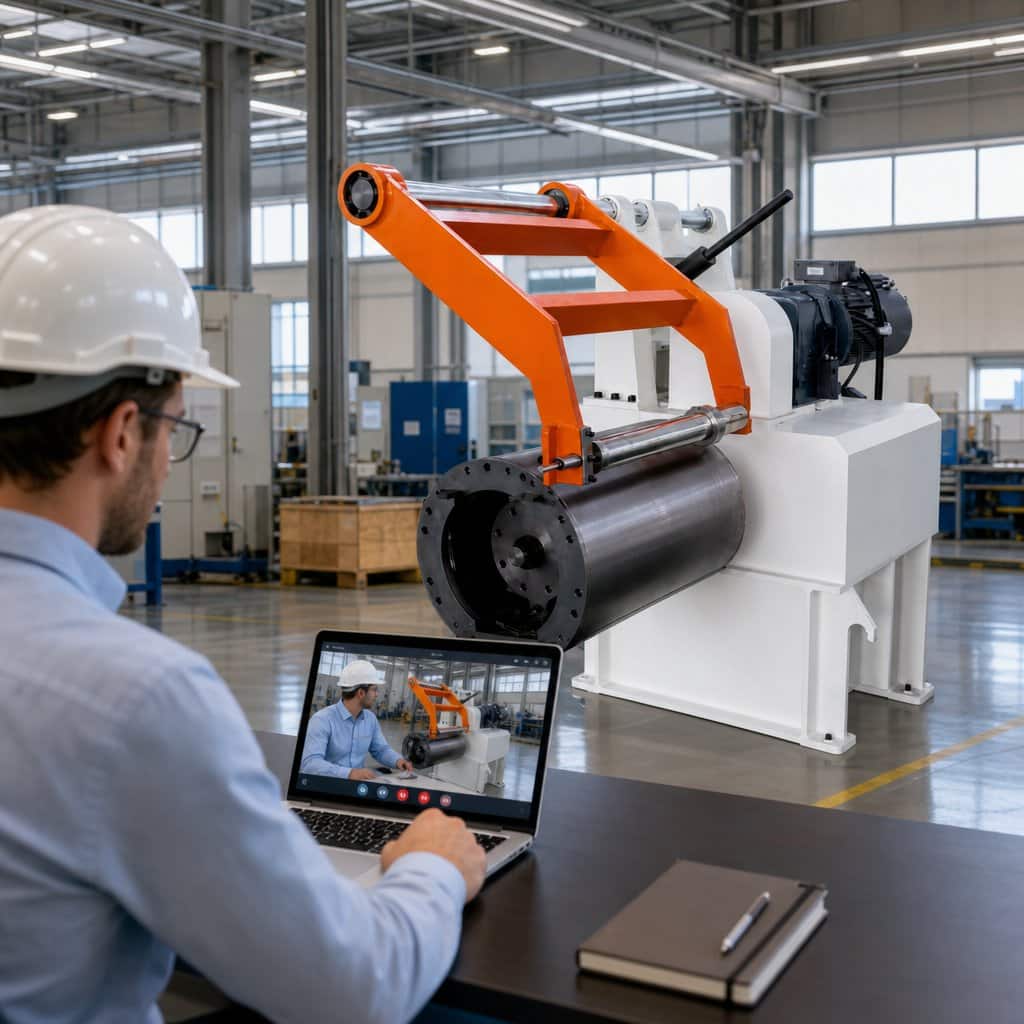
FAT is where the audit becomes proof. Before shipment, the machine runs your material (or equivalent) under agreed conditions while you measure the contracted specifications — accuracy at production speed, cycle time, noise, safety functions. Attend in person if possible; otherwise require a live-streamed test with your nominated inspector and a signed test report as a payment precondition. A supplier confident in their machine welcomes FAT conditions; resistance here is the loudest red flag available.
Red Flags That Should End the Conversation
- No live factory video — only polished marketing footage or a showroom tour
- Accuracy figures without test conditions — or refusal to write them into the contract
- No contactable export references — in your region or application class
- Price far below market — usually signals substituted components (bearings, PLC, servo drives) that fail outside warranty
- Pressure on payment terms — large deposits with no FAT-linked milestones
- Vague after-sales answers — “don’t worry, we support you” instead of named engineers and committed response times
Remote Audit vs. On-Site Visit
A full remote audit is practical: live workshop video, document review, reference calls, and streamed FAT cover most verification needs. Visit in person when the order is a complete production line or your first purchase in this category — walking the assembly bay for one hour reveals build quality that cameras can hide. Many buyers combine both: remote audit for shortlisting, on-site FAT for the final decision.
Frequently Asked Questions
How long does a proper supplier audit take?
A remote audit — video walkthrough, documents, reference calls — takes one to two weeks. Add an on-site visit and FAT and the full process runs four to six weeks. That timeline is short compared to the ten years the machine will run.
Is the lowest quote ever the right choice?
Occasionally — after auditing. If two suppliers pass the same verification steps, price becomes a valid decider. Choosing on price before auditing means you are comparing numbers that have not been verified against the same build quality.
What certifications should a supplier have?
At minimum, ISO 9001 for quality management and CE marking for export to regulated markets. More telling than certificates: component brand lists (PLC, servo, bearings), welding and machining equipment in their own workshop, and the FAT protocols they propose unprompted.
Can I audit a supplier I found on a B2B marketplace?
Yes — the checklist is identical. Marketplace verification badges confirm the company exists, not that it manufactures well. Run the same five steps regardless of where the first contact happened.
Summary: Audit First, Compare Second, Sign Third
The order of operations protects you: verify manufacturing capability, get specifications in writing with test conditions, call real references, confirm after-sales capacity, and tie payment to acceptance tests. Suppliers who pass all five steps are the ones worth negotiating with — and the audit itself usually improves the deal you eventually sign.
Planning an equipment purchase? Send us your requirements — we will provide a full specification sheet with test conditions, contactable references in your region, and a FAT protocol before you commit to anything.
📞 Phone: +86-15958243831
📧 Email: sales@tranfovia.com
💬 WhatsApp: https://wa.me/8615958243831
🌐 Website: tranfovia.com
References
- ISO 9001:2015 — Quality Management Systems
- IEC 60076-1: Power transformers — General
- IEEE C57.12.00 — General Requirements for Liquid-Immersed Transformers
- Transformer Manufacturing Process Explained — Equipment in Context
- European Commission — CE Marking Requirements
- Tranfovia — Transformer Manufacturing Equipment