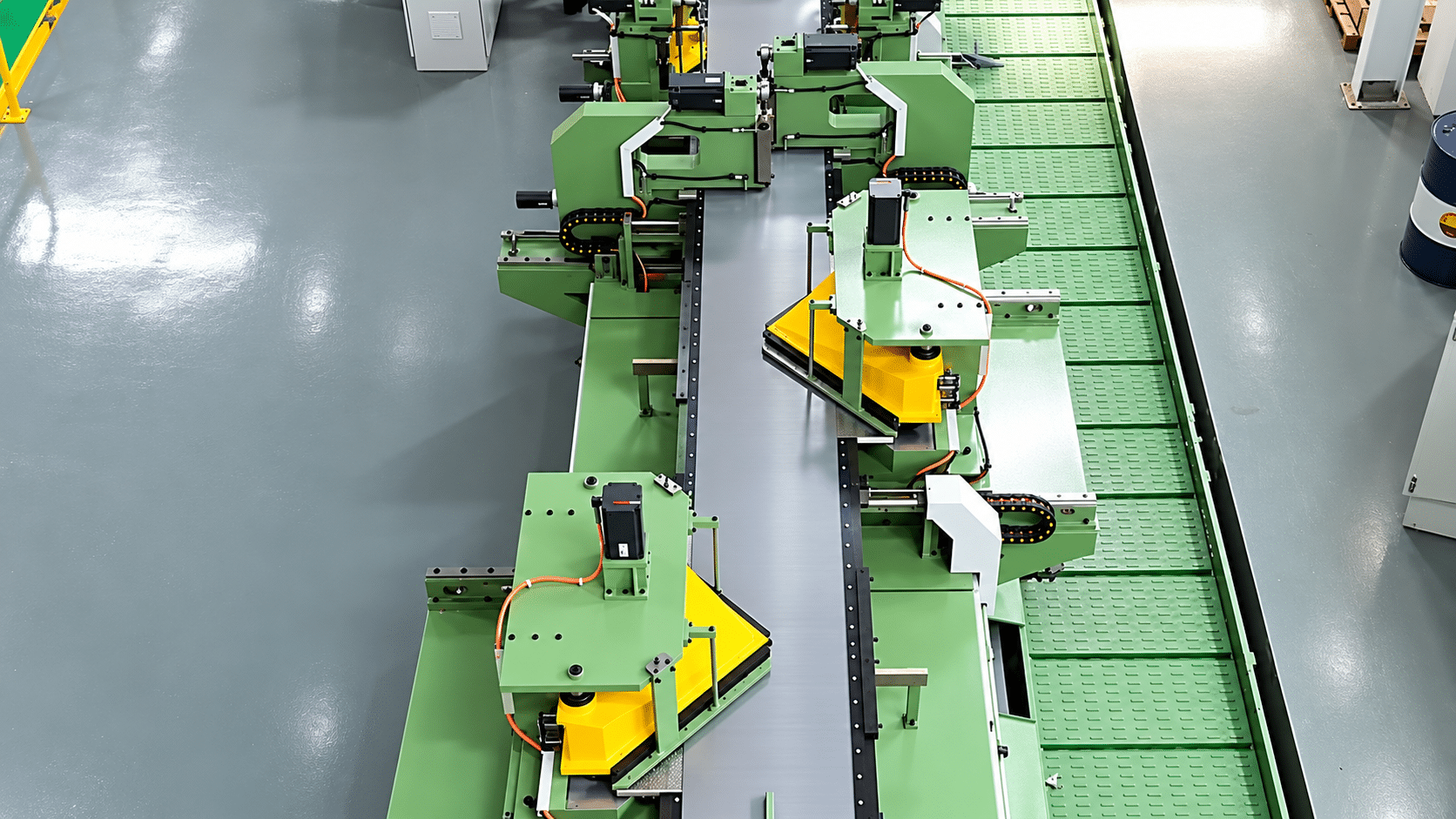
Hand-measured length and trial-cut mitre angles left core joints misaligned. Servo cut-to-length at 45°/135° now holds ±0.1 mm and ≤0.02 mm burr.
TRANFOVIA(NINGBO) EQUIPMENT TECHNOLOGY CO.,LTD
Hand-measured length and trial-cut mitre angles left core joints misaligned. Servo cut-to-length at 45°/135° now holds ±0.1 mm and ≤0.02 mm burr.
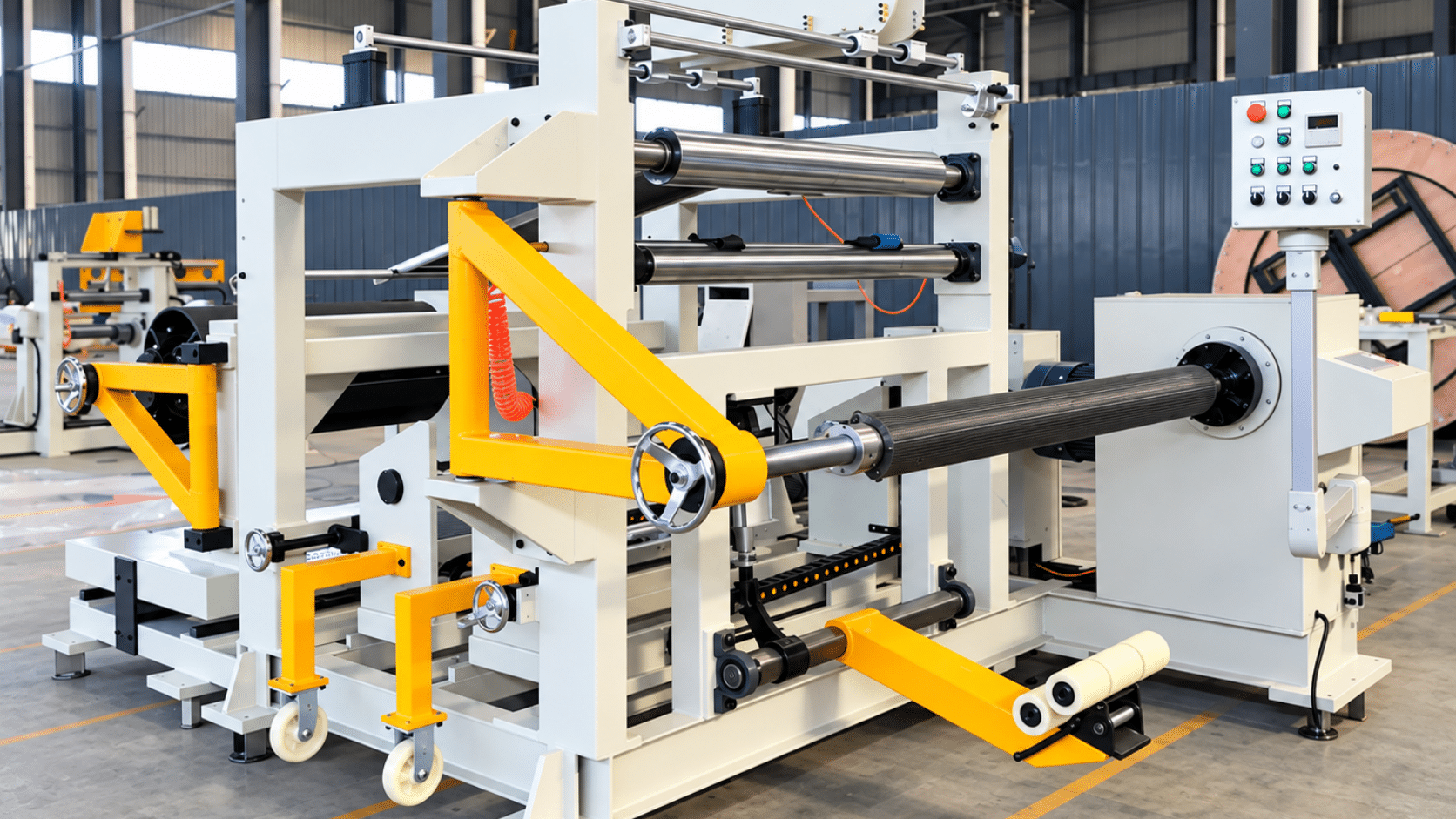
Foil held by hand, ends dressed afterwards and welding waiting on a welder — the DHR-4 folds all three into one parameter set: foil tracks within ±0.5 mm, 0.35–2.2 mm copper, drift-free.
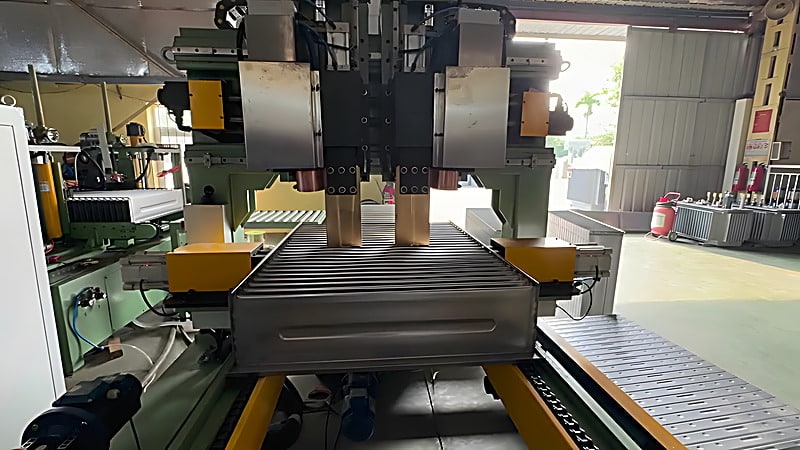
Hand folding and manual welding left fin pitch and welds unstable. One programmed line now forms and welds 3-4 fins per minute with 1-2 operators.
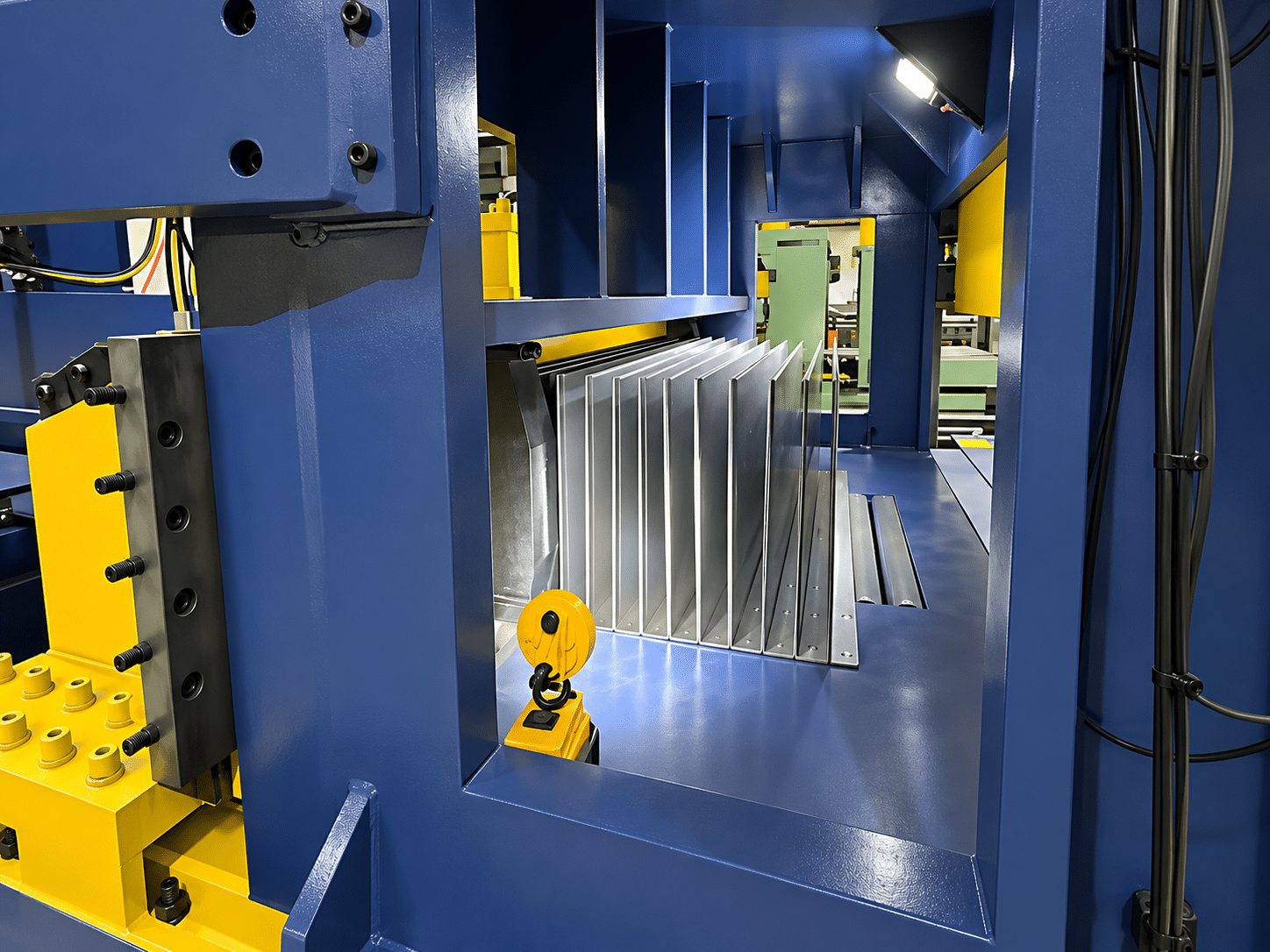
Folding by feel, die stripping on changeover and a separate rib press became one pass — 3–4 fins per minute from one set of parameters.
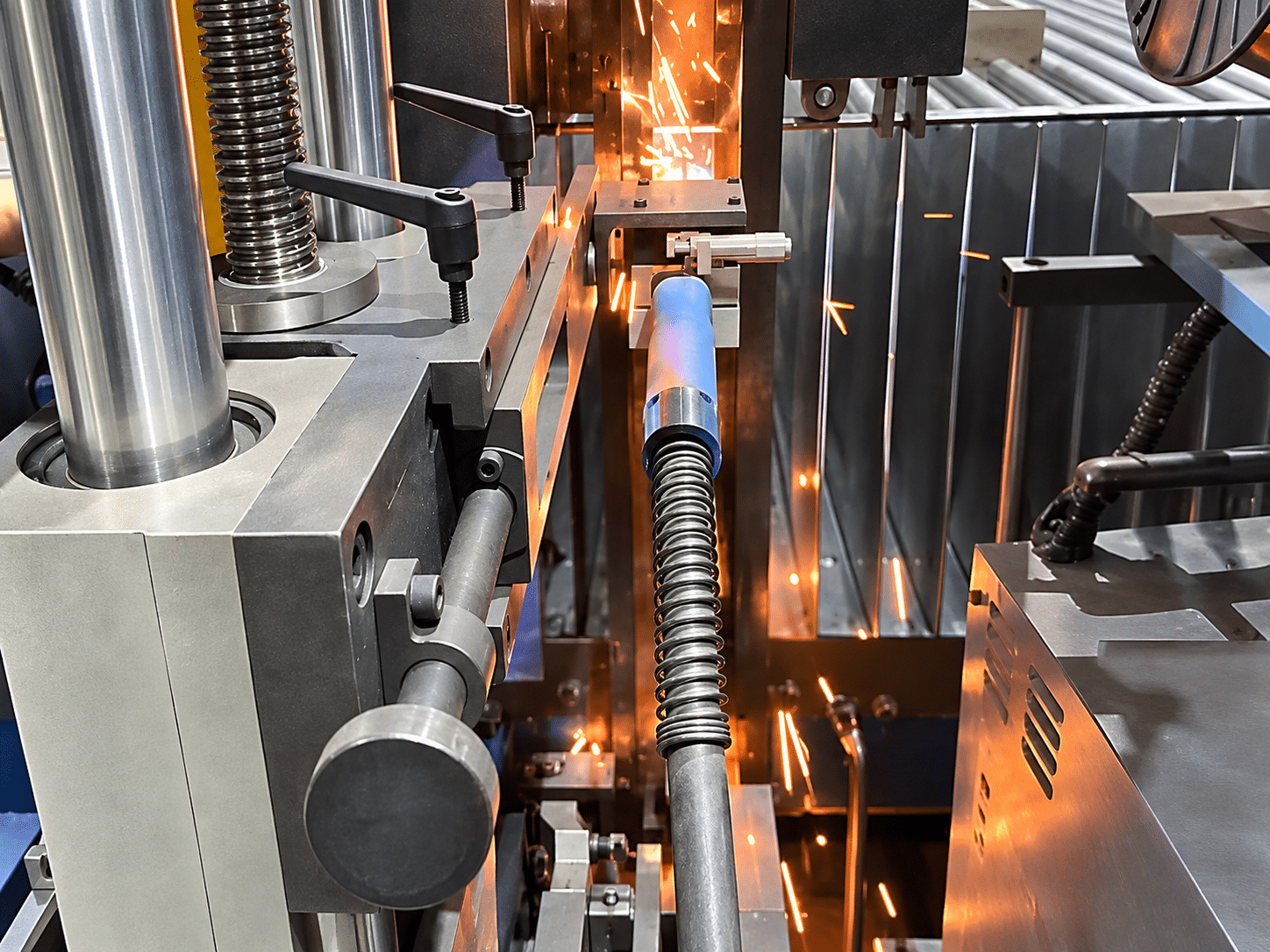
Weld acceptance swung 60–80% with each welder’s condition. A programmed OTC DM350 station holds one bead standard and runs on two trained operators.
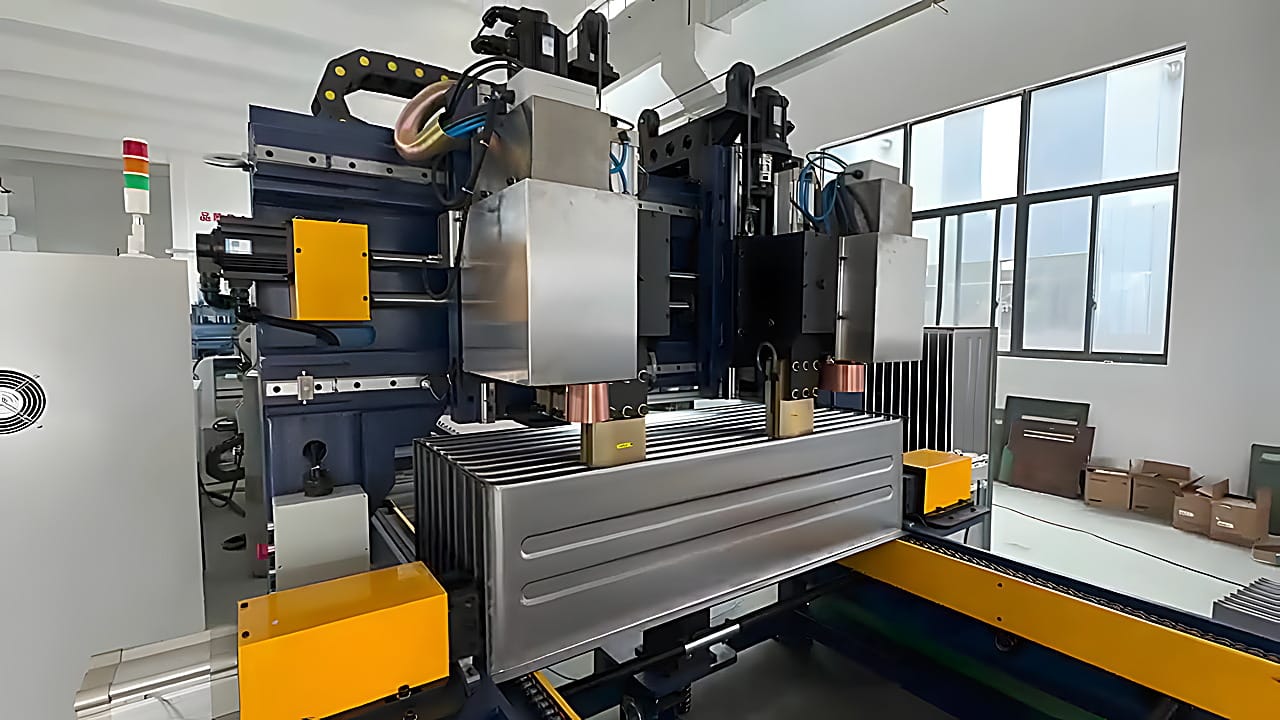
Clamping force, current time and spot position were all set by hand. Dual 50 KVA supplies with pneumatic clamping now make every spot identical.
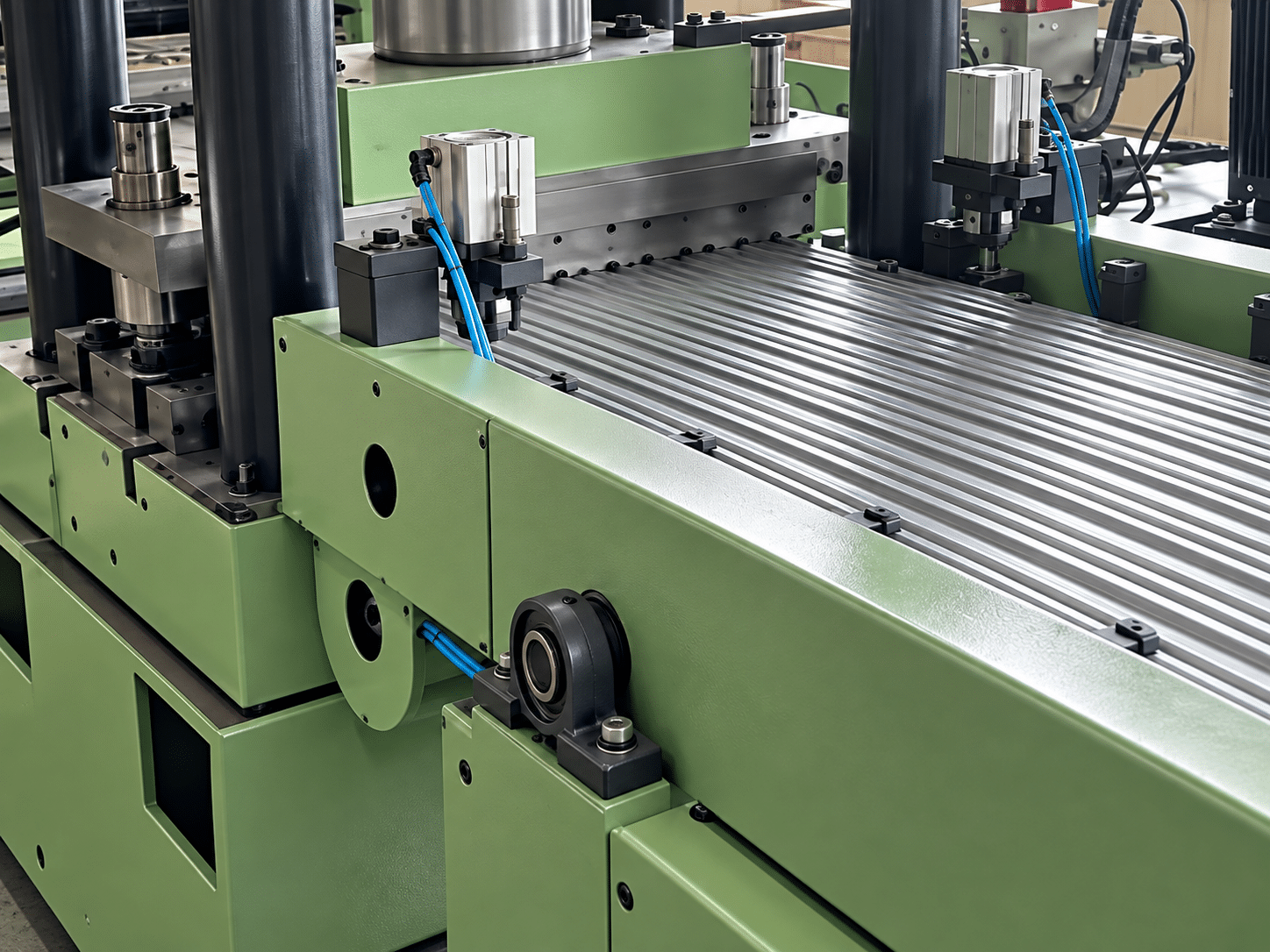
Transformer Radiator Production Line: A Multi-Spec Line Delivered to a Russian Radiator Manufacturer
Crane transfers, manual marking and welder-dependent quality capped output. The line runs coil to stack: a spec change is a roll swap plus data entry.
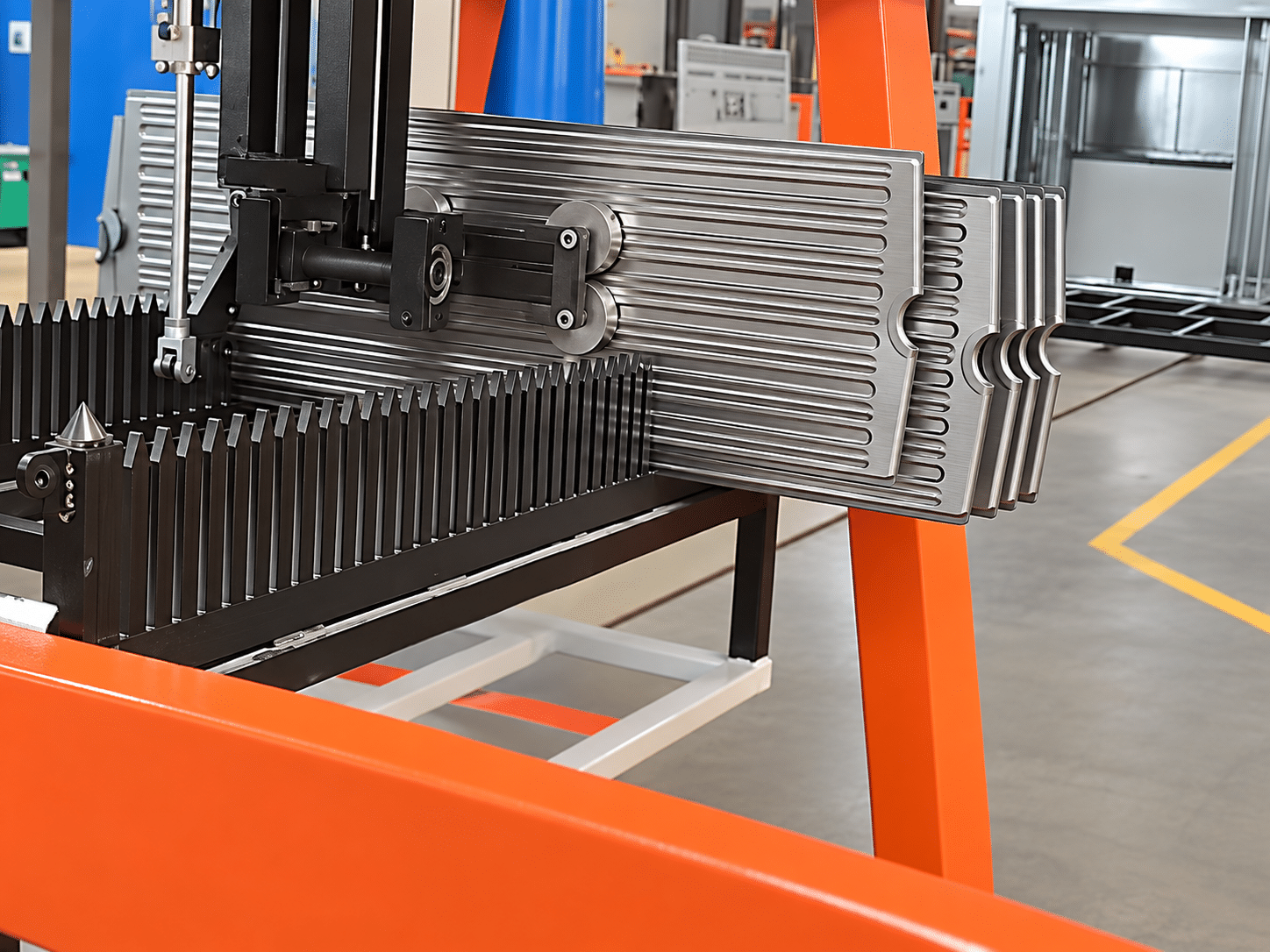
Outsourced radiators held assembly hostage. The in-house line makes them a controlled process: delivery follows assembly, records join the file.
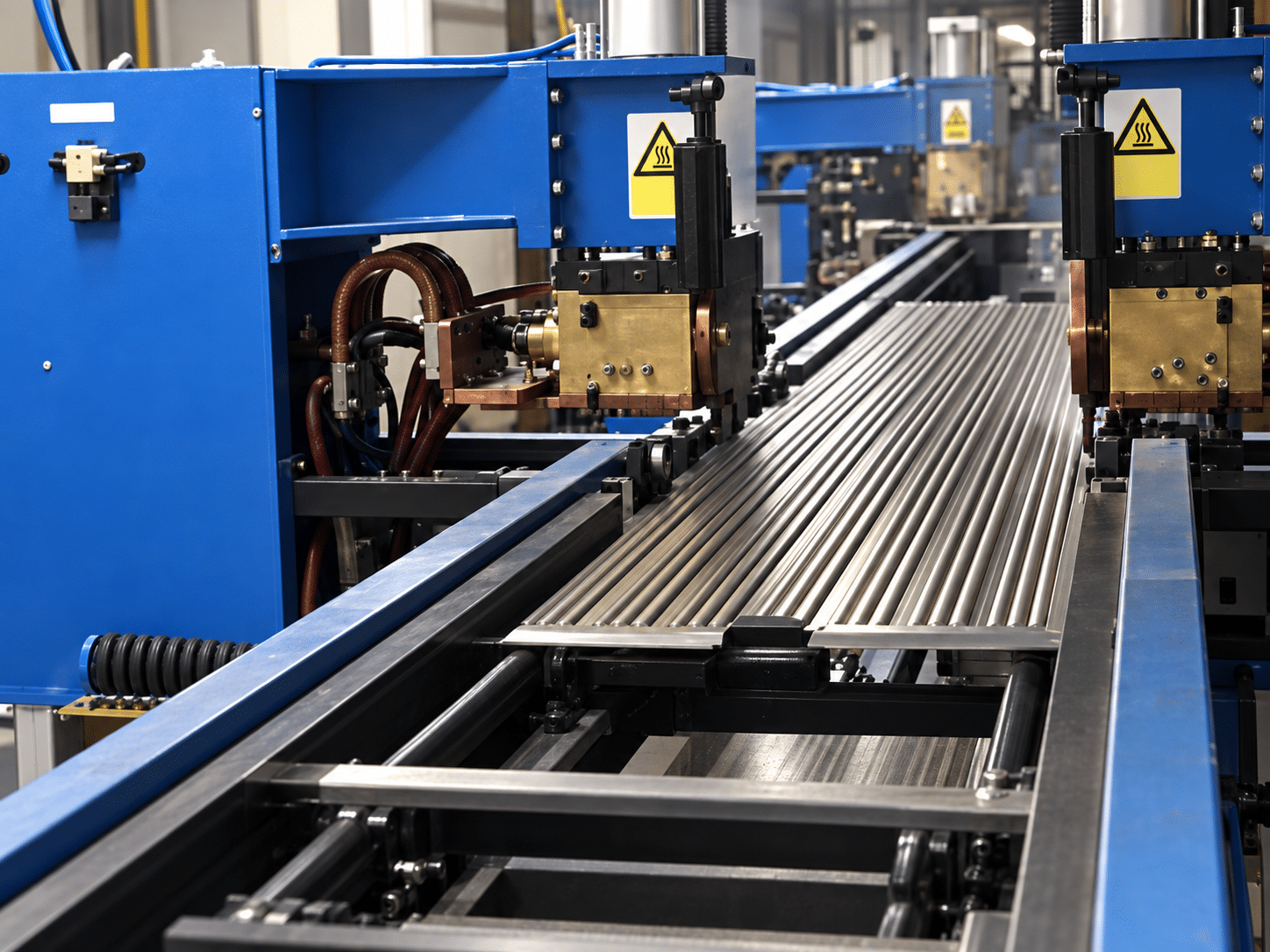
High labor costs made expansion mean more people. The dual-spec line replicates one parameter baseline, run by 1–2 operators per shift.