TL;DR: A strip shaping machine turns insulation pressboard into finished transformer oil-duct spacers in one pass — slitting, shaping, and chamfering integrated. Its defining advantage is multi-strip processing: one feeding operation produces 10–20 finished strips simultaneously, up to 5× the output of single-strip machines, with material utilization improved by roughly 20%. For any transformer factory consuming spacers at volume, this machine is usually the fastest payback in the insulation workshop. This guide covers the process, the math, and the specifications to compare.
Count the parts inside a power transformer and one category dwarfs everything else: oil-duct spacers. A single large winding uses hundreds of them, and every one must be dimensionally consistent — spacer height sets the cooling duct, and duct consistency sets the temperature rise. Spacers are also where insulation-shop labor quietly concentrates. The strip shaping machine exists to collapse that labor: one machine, one pass, a stack of finished strips. This article — part of our insulation parts processing equipment guide — explains how it works and when it pays back.
What a Strip Shaping Machine Does
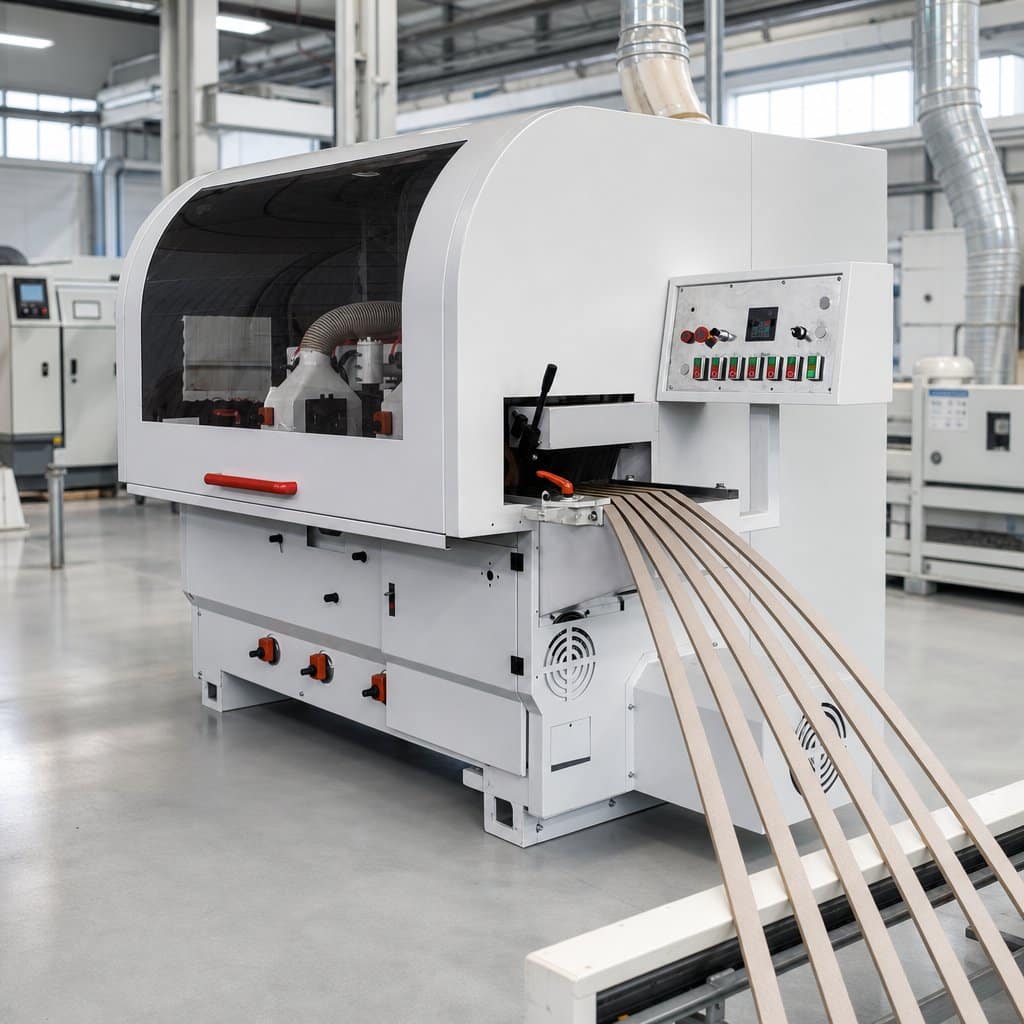
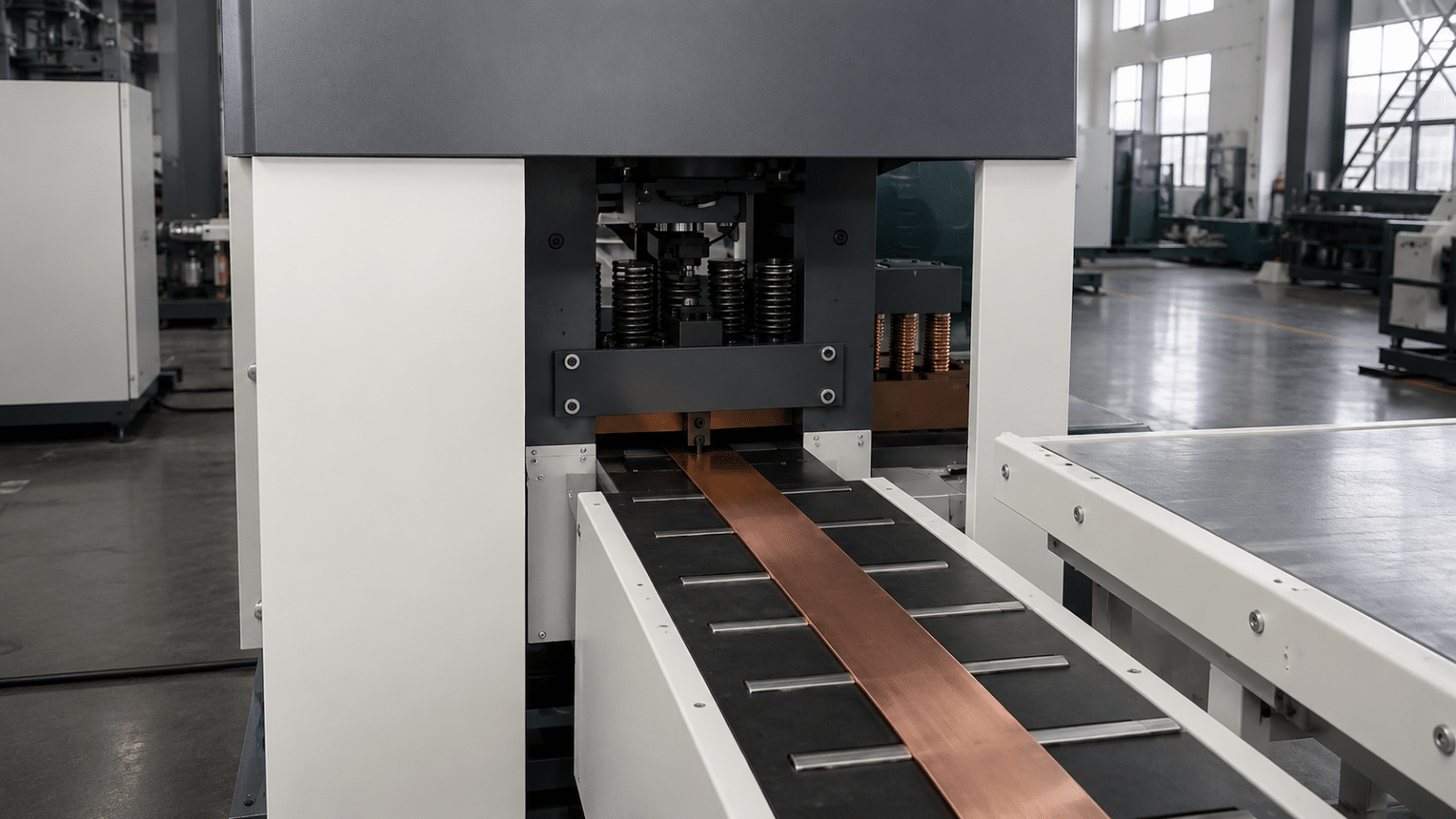
The machine takes pressboard sheet or blanks and produces finished insulation strips — the oil-duct spacers and cooling strips that sit between winding conductors. Three operations happen in one pass:
- Slitting — the board is cut into strips of the target width
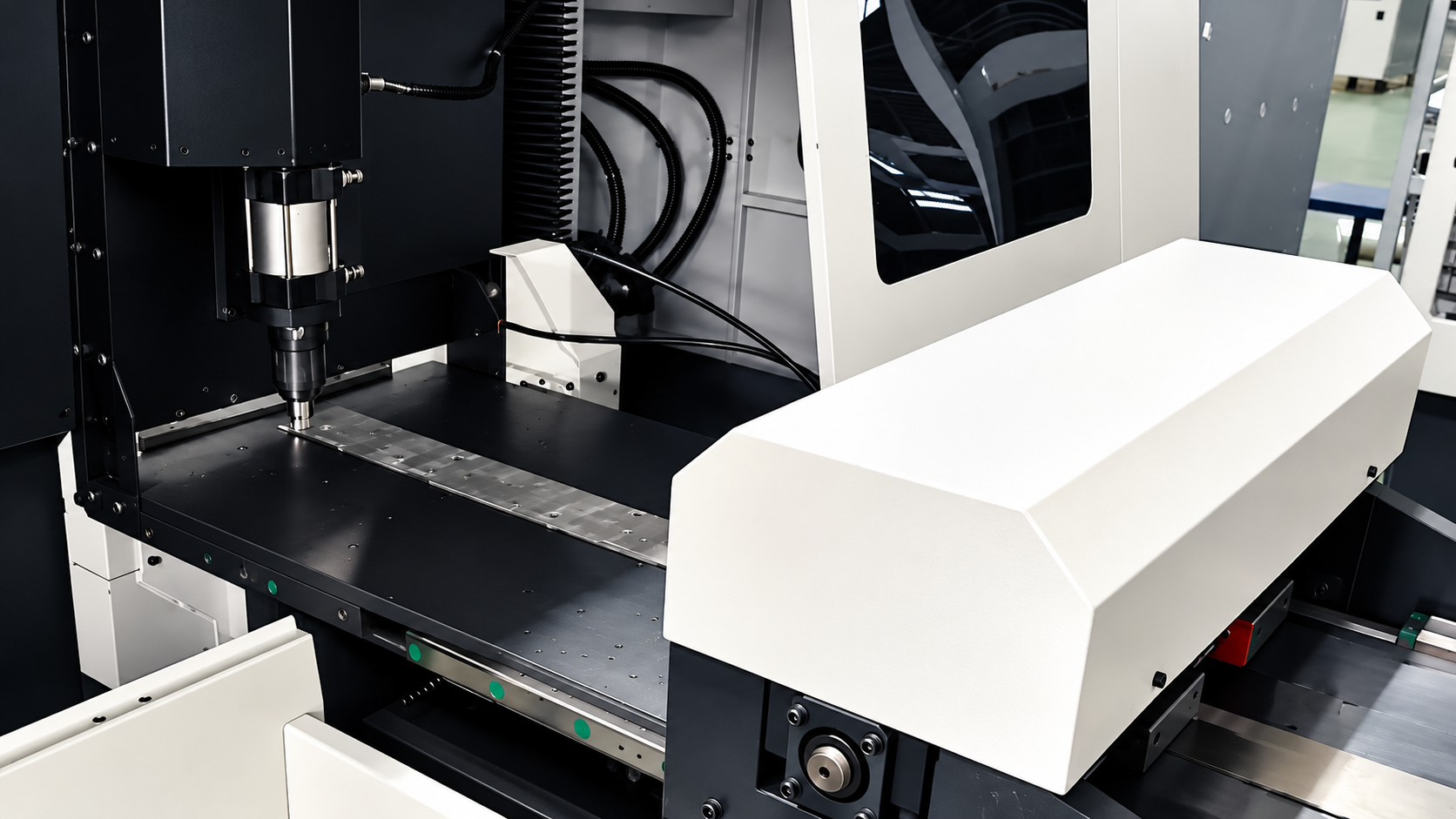
- Shaping — the strip profile is milled to final cross-section (rectangular, T-profile prep, and related shapes)
- Chamfering — edges are finished smooth and burr-free, ready for winding without secondary handling
Integrating the three operations matters beyond speed: the strip is referenced once and finished once, so width, profile, and edge quality stay consistent along the entire length — the consistency that cooling ducts need.
Multi-Strip Processing: Where the 5× Comes From
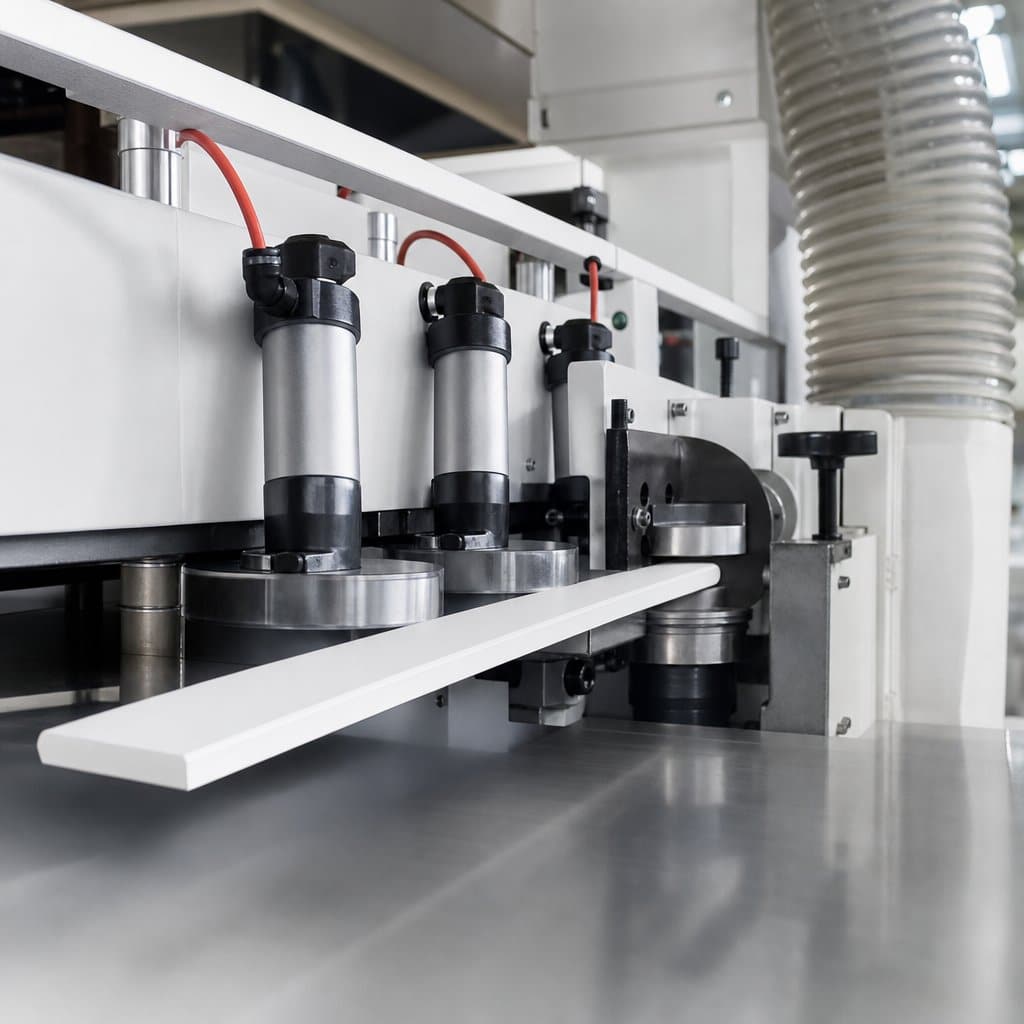
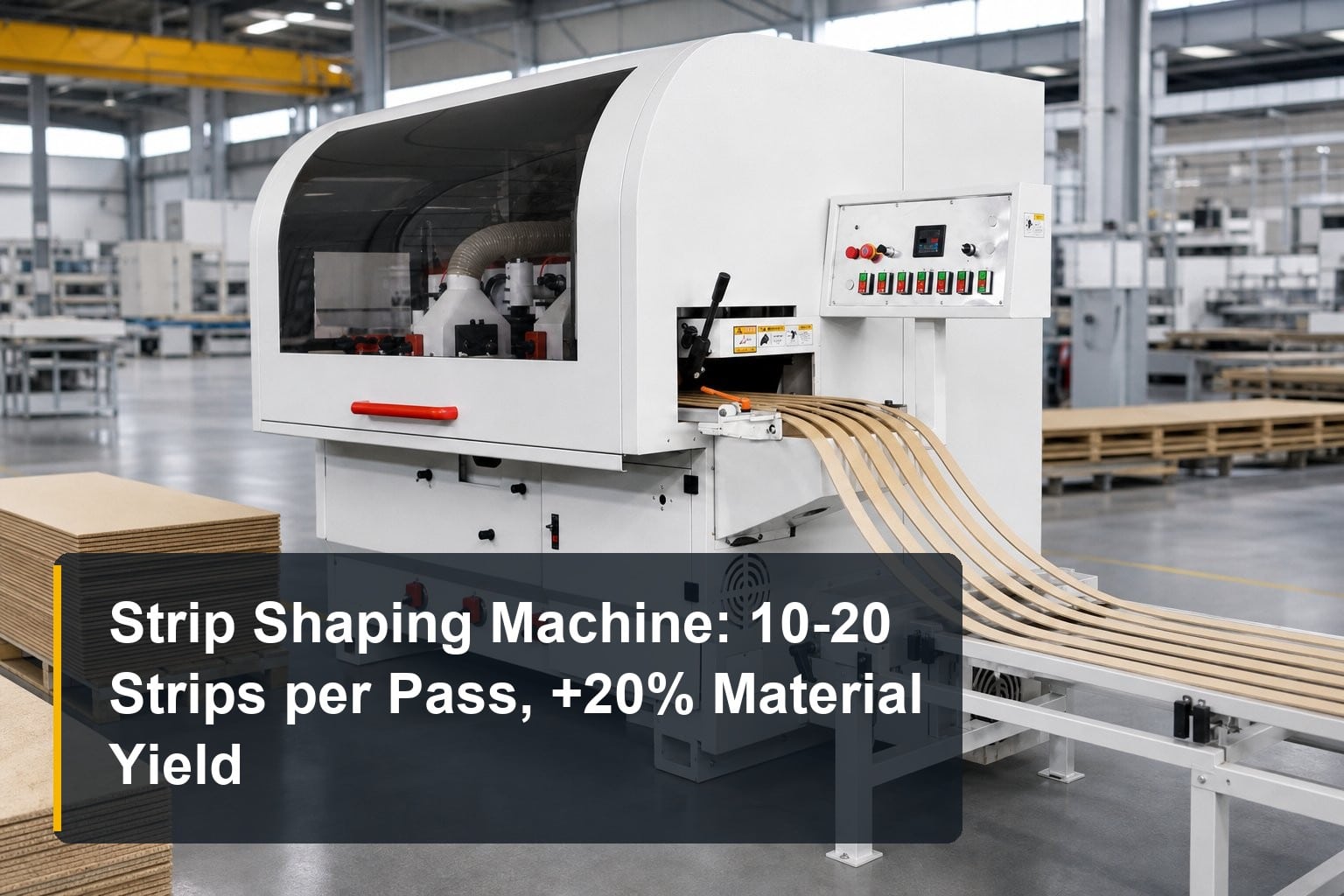
The efficiency claim is simple arithmetic. A single-strip machine shapes one spacer per pass. The multi-strip shaping machine processes 10–20 strips per feeding operation — up to 22 strips maximum from a 150 mm feed width — so one machine cycle does the work of ten or more single-strip cycles. Against traditional single-strip production, that is roughly a 5× efficiency improvement on the same footprint with the same operator.
The second gain is material. Integrated slitting-and-shaping lays the strips out across the full board width with minimal kerf and edge waste between them — material utilization improves by approximately 20% compared with cutting blanks first and shaping them one at a time. Pressboard is not cheap, and spacer volume is high; 20% less waste is a recurring saving on every shift, not a one-time gain.
Multi-Strip vs Single-Strip: Which One Fits
The two machines are complements, not competitors:
- Multi-strip shaping machine — the volume producer. Standard spacer profiles consumed in quantity belong here: maximum throughput, best material utilization, lowest cost per strip
- Single T-shaped spacer machine — the flexibility play. Special profiles, T-sections, dovetails, and low-volume variants are milled one at a time with quick cutter changes, trading speed for profile freedom
The practical rule: if a profile’s monthly consumption justifies dedicated setup time, it runs on the multi-strip machine; everything else stays on the single-strip machine. Factories with serious spacer volume run both.
Downstream: Densifying and Edge Rounding
Where mechanical strength matters — spacers that carry winding clamping force — the shaped strips go one station further: the rolling and chamfering machine densifies the strip by 8–10% under up to 50 T of rolling force and rounds both edges. Denser pressboard means higher compressive strength per millimeter of height; rounded edges protect conductor insulation during winding. The shaping machine defines the geometry; the rolling machine upgrades the material itself.
Selecting a Strip Shaping Machine: Specifications to Compare
- Strip range — thickness 3–15 mm, width 5–70 mm covers standard oil-duct spacers; confirm your profiles fit
- Feeding width and strip count — maximum 150 mm feed, up to 22 strips per pass; the combination sets real throughput
- Processing speed — 2–8 m/min adjustable; matching speed to thickness keeps the milled surface burr-free
- Feeding system — dual drive shafts for stable, continuous feed; automatic feeding as an option for long runs
- Dust removal and cooling — integrated extraction and cooling extend tool life and keep cellulose dust out of the workshop — a quality issue as much as a housekeeping one, since dust embedded in insulation is a defect
Frequently Asked Questions
How many strips can the machine produce per pass?
One feeding operation produces 10–20 finished strips simultaneously, with a maximum of 22 strips from a 150 mm feed width — roughly five times the output of a single-strip machine on the same footprint.
Where does the 20% material saving come from?
Integrated layout. Slitting and shaping happen in one pass, so strips nest across the full board width with minimal kerf and edge waste. Cutting blanks first and shaping them separately wastes the margins between operations — that is the 20% the integrated machine recovers.
Can it make T-shaped or dovetail spacers?
Standard profiles run on the multi-strip machine; special profiles like T-sections and dovetails belong on the single T-shaped spacer machine, which changes cutters per profile. High-volume factories typically run both and split profiles by volume.
What strip sizes does it cover?
Thickness 3–15 mm and width 5–70 mm at 2–8 m/min — the standard oil-duct spacer range for distribution and power transformers.
Summary: Volume Parts Belong on Volume Machines
Spacers are the highest-volume insulation part in a transformer, and volume parts reward volume equipment. Multi-strip shaping turns one pass into 10–20 finished strips, recovers 20% of your pressboard, and frees the single-strip machine for the special profiles it is actually for. Size by strip range and feed width, insist on dust extraction and cooling, and let the arithmetic — output per shift and material per strip — make the case.
Costing spacer production? Send us your strip profiles, dimensions, and monthly consumption — we will recommend the machine configuration and run the payback numbers against your current method.
📞 Phone: +86-15958243831
📧 Email: sales@tranfovia.com
💬 WhatsApp: https://wa.me/8615958243831
🌐 Website: tranfovia.com