TL;DR:
- A transformer core cut-to-length line (servo stacking) combines precision silicon steel cutting with automatic servo-driven sorting and stacking of finished laminations.
- Compare cutting accuracy (±0.1 mm length, ±0.025° angle, ≤0.02 mm burr) together with sorting accuracy and stacking speed — the latter defines the real payback.
- Servo stacking pays off fastest in high-volume, multi-design production where manual sorting becomes the bottleneck and a quality risk.
- Verify both cutting and stacking performance with on-site test runs on your own material before accepting any quotation.
This article is part of our transformer core cutting line guide — the pillar page covering all five line types, key specifications, and selection logic. For how the servo sorting mechanism works and why it pays, see our explainer on servo sorting core cutting lines.
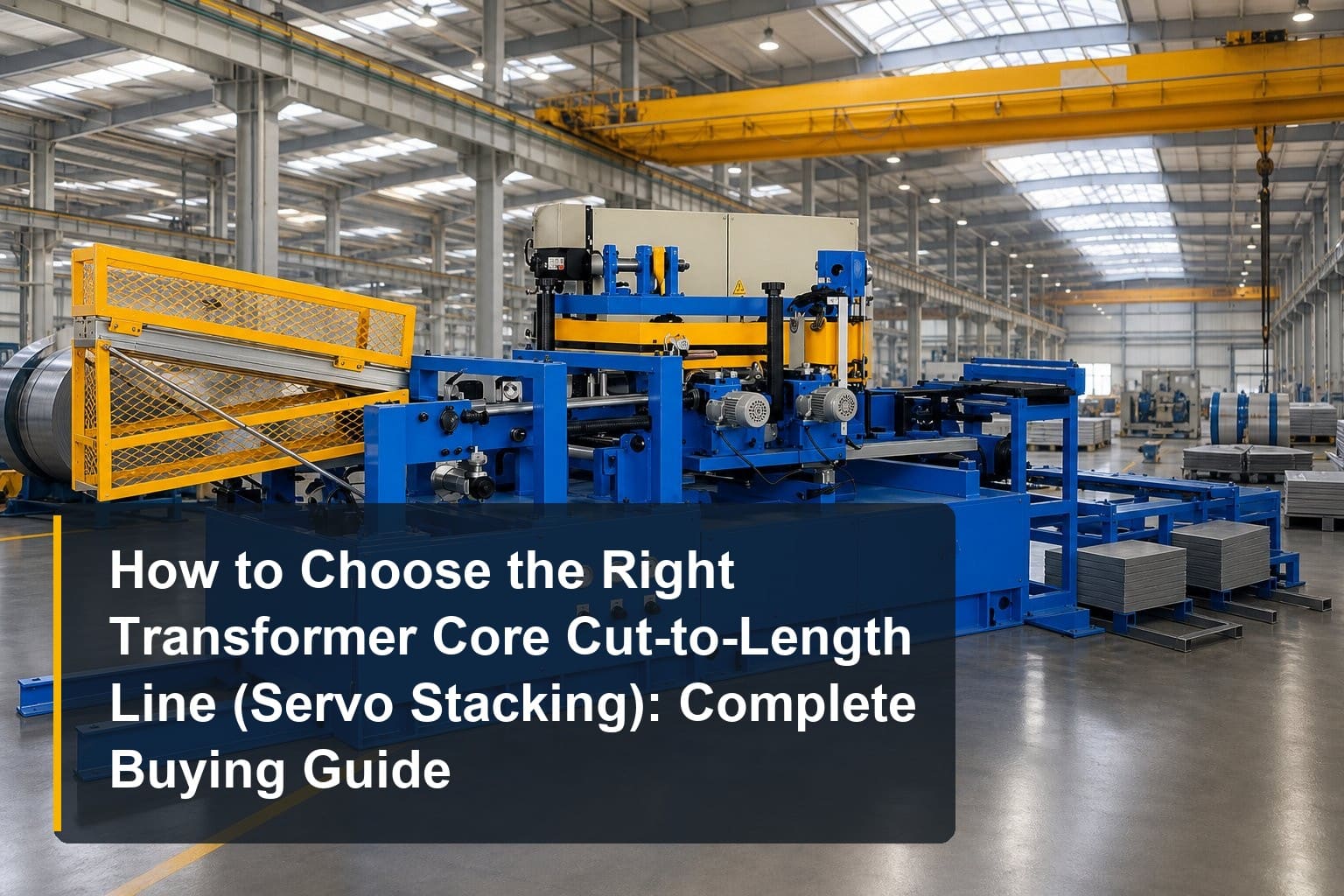
How to choose the right transformer core cut-to-length line (servo stacking) is a question of matching automation level to your production reality. This article explores what the machine is and where it fits in transformer manufacturing, which specifications to compare, how to match a model to your application, and the questions to ask any manufacturer or supplier, providing a practical framework for buyers evaluating servo stacking technology.
What a Transformer Core Cut-to-Length Line (Servo Stacking) Is
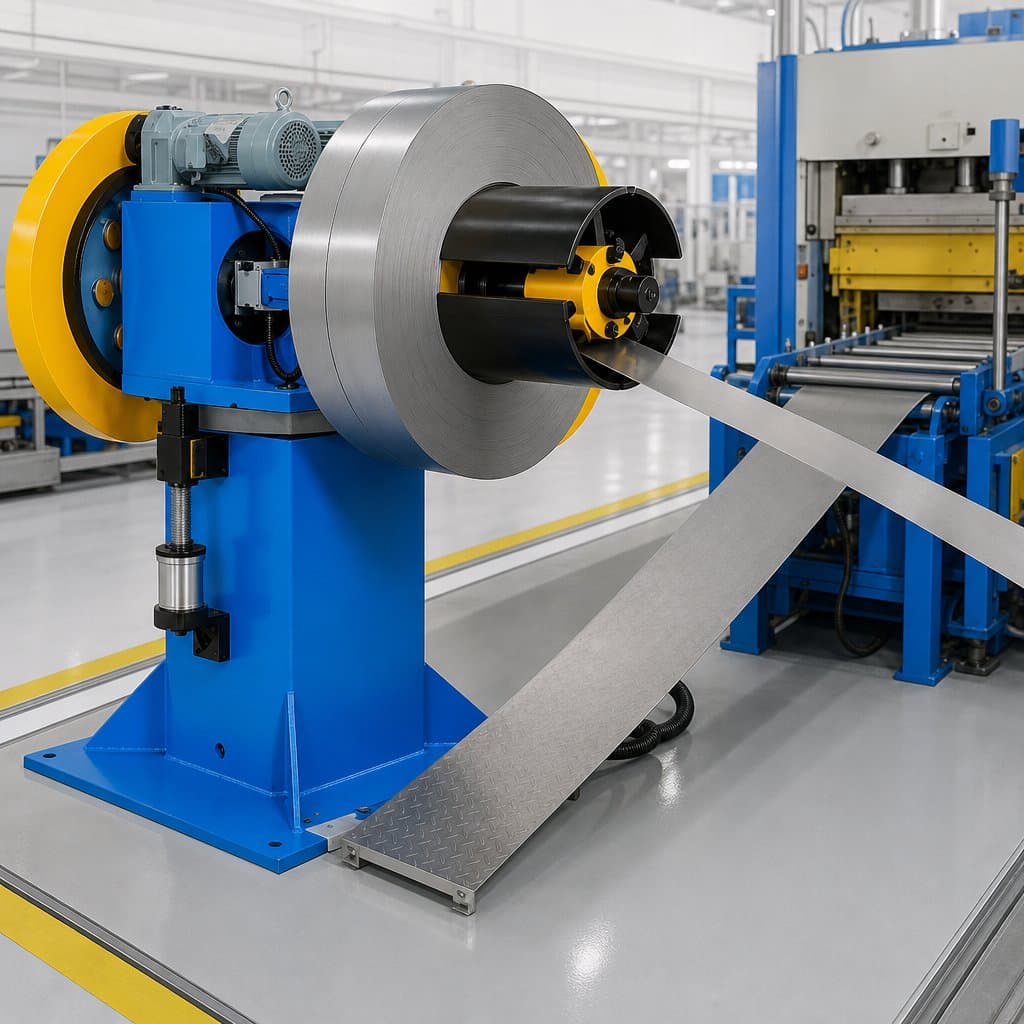
A servo stacking cut-to-length line does everything a standard precision cutting line does — decoiling, positioning, punching, and shearing silicon steel strip into laminations — and then adds the stage that manual lines lack: automatic sorting and stacking of every finished piece. Understanding this difference clarifies where the machine earns its higher price.
Definition and Core Function
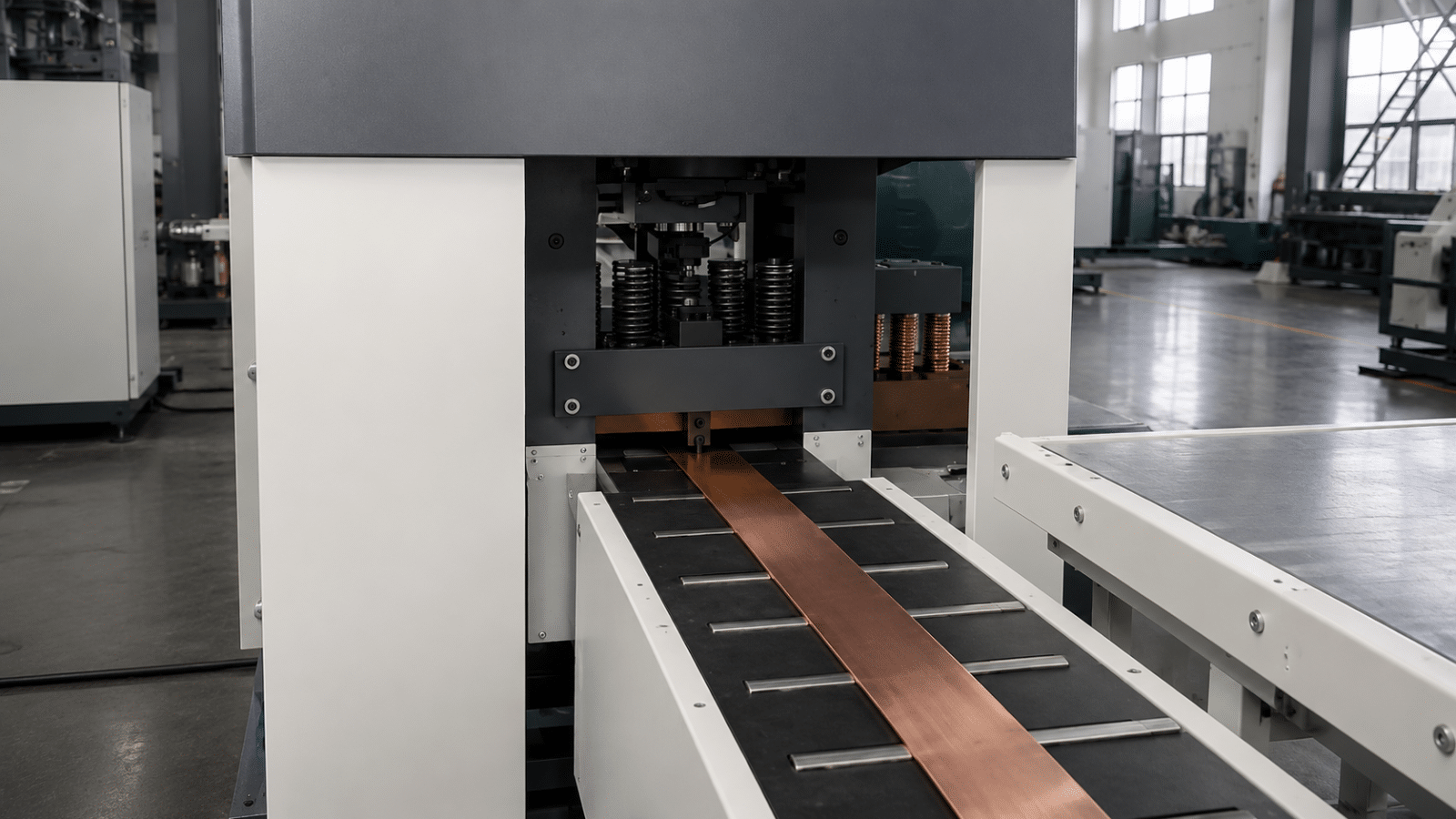
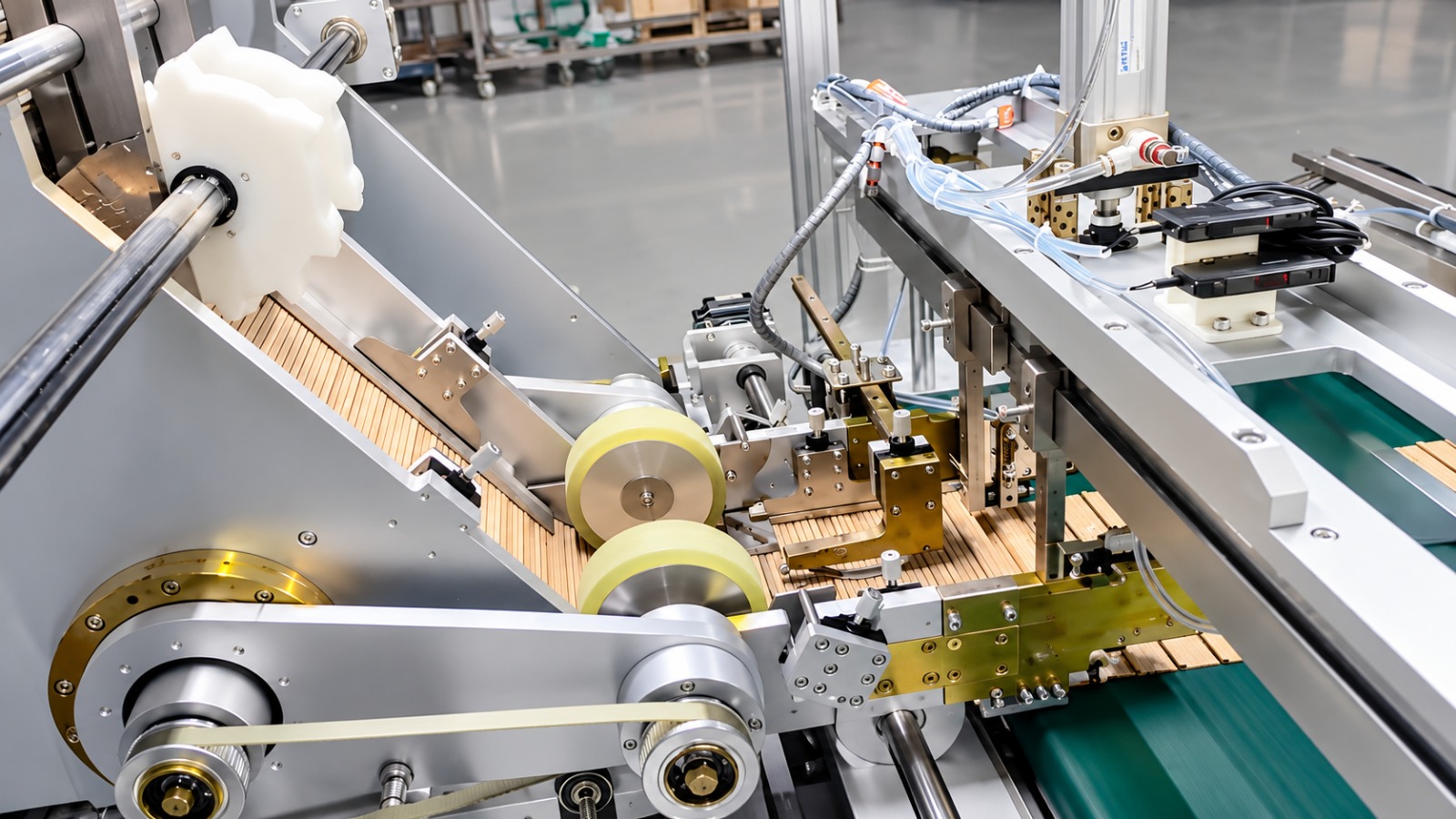
In simple terms, a transformer core cut-to-length line (servo stacking) converts slit grain-oriented silicon steel into finished core laminations and then classifies and stacks them automatically by shape and sequence. Servo-driven grippers or magnetic pick-up units take each lamination as it leaves the shear and place it onto the correct stacking station in the correct orientation. The output is not a loose pile of pieces but ordered lamination packets ready for core assembly — with no manual sorting in between.
Where It Fits in Transformer Manufacturing
The line occupies the same position as any core cutting line: between slitting and core stacking. What changes is the boundary of the machine’s responsibility. A conventional line ends at the discharge conveyor, leaving operators to sort, orient, and stack laminations by hand. A servo stacking line absorbs that labor into the machine, delivering sequenced lamination sets directly to the stacking team. For factories producing many core designs per shift, this removes the most error-prone manual step between cutting and core assembly.
Servo Stacking vs. Conventional Discharge
Conventional discharge is simple and cheap: laminations slide onto a table and people do the rest. That works for low volumes and single-design runs, but sorting errors — a rotated yoke plate, a missing step-lap sequence — create scrap and rework at core assembly, where mistakes are most expensive. Servo stacking eliminates this class of error mechanically and keeps pace with the full 240 m/min feeding speed, so the cutter never waits for the sorter. The trade-off is higher investment and more sophisticated maintenance.
Key Specifications to Compare
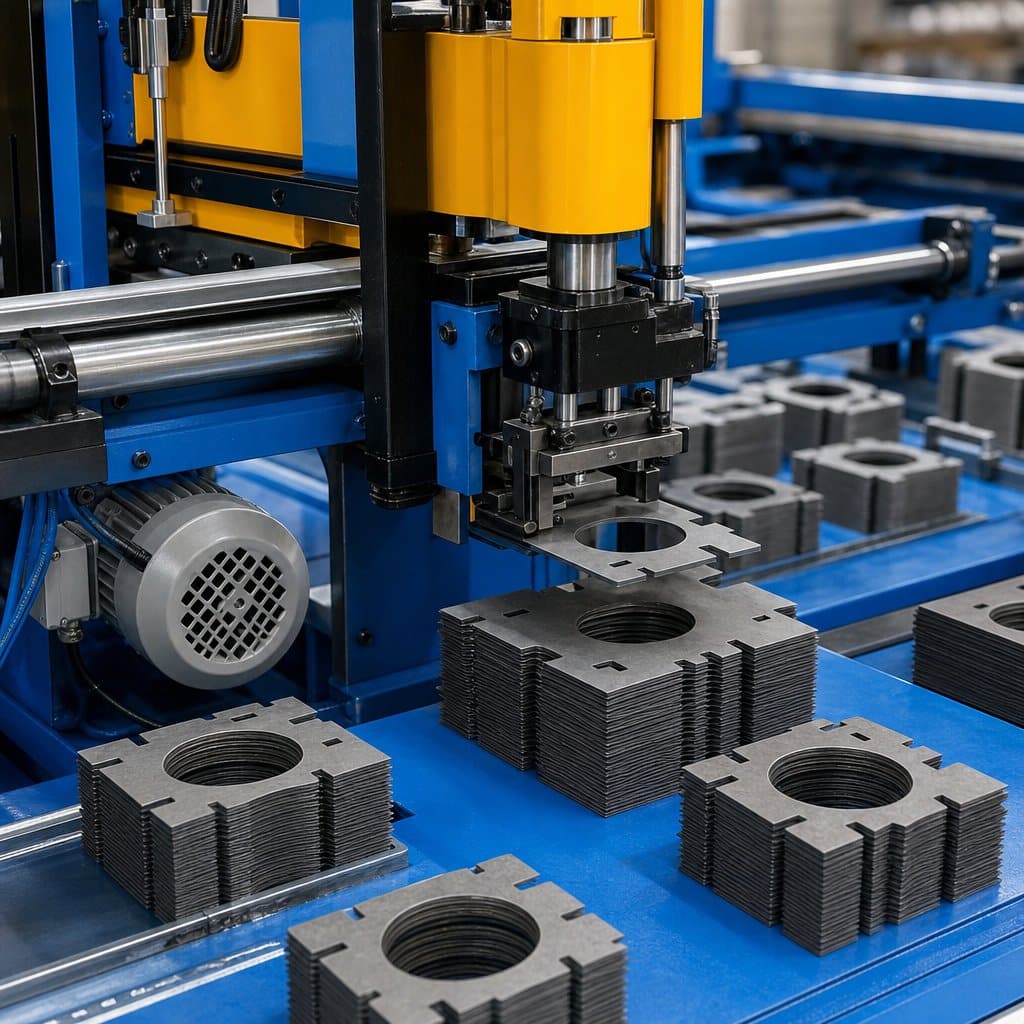
When evaluating a transformer core cut-to-length line (servo stacking), compare two specification groups: the cutting figures shared with any precision line, and the sorting figures unique to servo stacking. A machine excellent at one but weak at the other will disappoint.
Cutting Accuracy: Length, Angle, and Burr
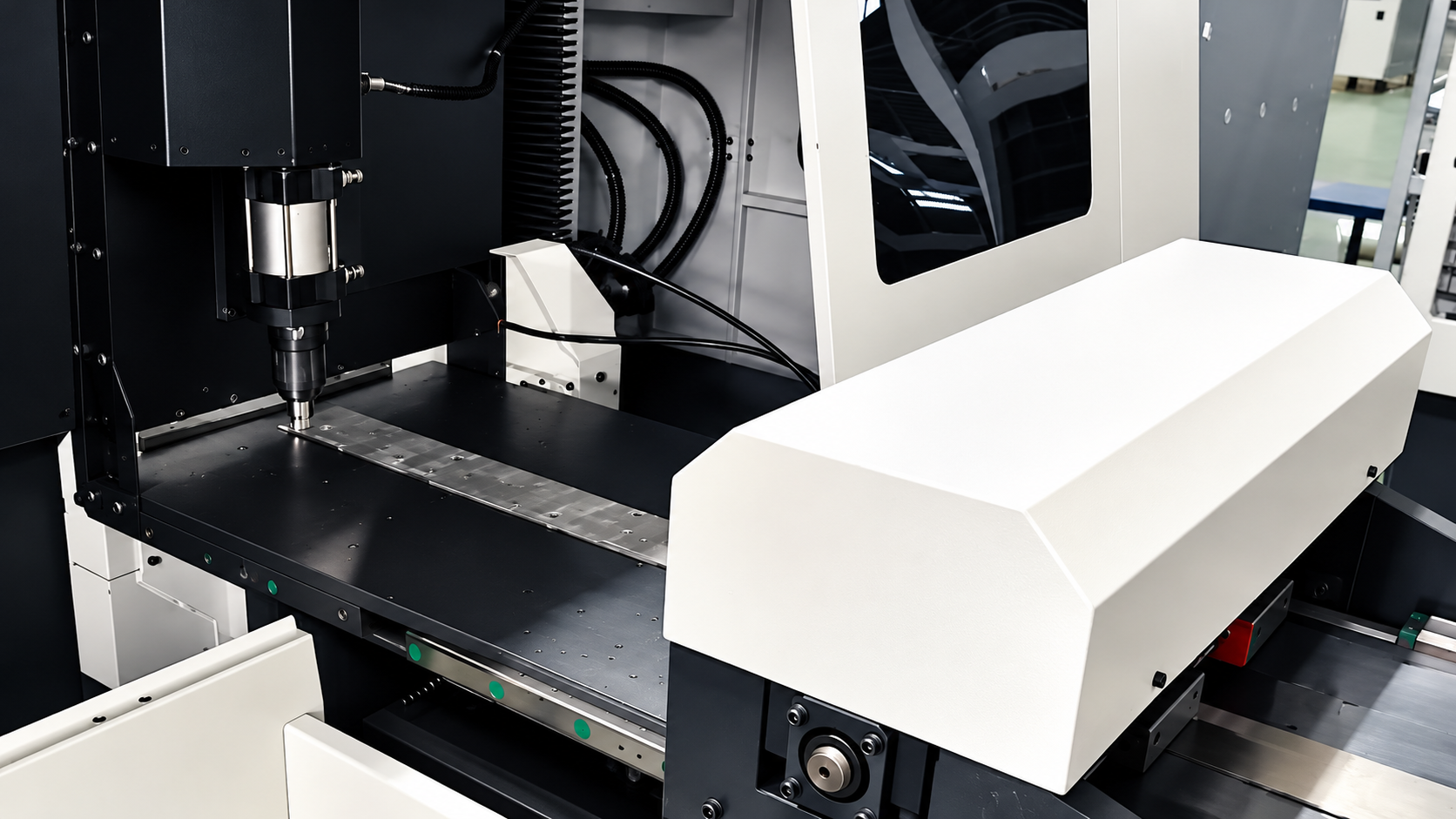
The cutting baseline should match the best conventional lines: length tolerance of ±0.1 mm, cutting angle accuracy of ±0.025° for mitered step-lap laminations, and burr height at or below 0.02 mm on 0.18–0.35 mm grain-oriented steel. These numbers govern core loss and stacking factor, and servo sorting does not excuse weaker cutting — every lamination still enters the core. Confirm all three as guaranteed production values, and check that accuracy holds at full line speed rather than only during slow demonstration runs.
Positioning Method and Its Limits
Servo stacking lines use the same positioning choices as conventional machines: center referencing for symmetrical EI and step-lap laminations, edge referencing for asymmetrical designs. Center positioning distributes strip width variation symmetrically and suits most distribution transformer cores; if your mix includes asymmetrical shapes, clarify how the machine handles them. Buyers comparing layouts can look at a dedicated center-position core cutting line alongside the servo stacking model to understand exactly what the sorting module adds on top of the cutting platform.
Sorting Accuracy, Speed, and Stacking Capacity
The sorting system has its own specifications, and these decide the payback. Ask for pick-and-place cycle time at full feeding speed, placement repeatability, the number of stacking stations, and the maximum lamination weight and size each station handles. Check how the system manages step-lap sequences — a misordered sequence is as useless as a mis-cut lamination. Finally, confirm changeover: switching stacking programs for a new core design should be a recipe recall, not a mechanical rebuild.
Matching the Right Model to Your Application
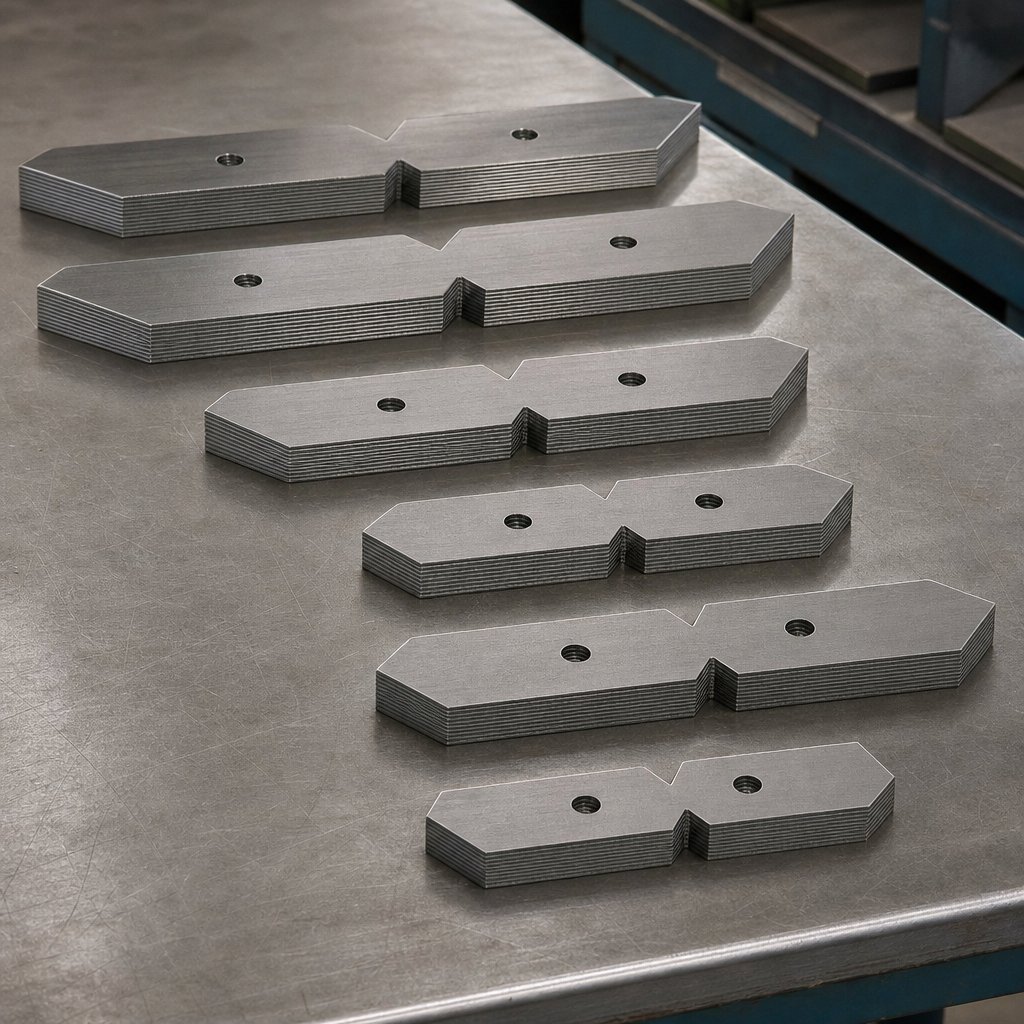
The right transformer core cut-to-length line (servo stacking) depends on three factors: whether your volume justifies automated sorting, whether the width and length envelope covers your core designs, and how the line integrates with your downstream process.
Production Volume and Labor Economics
Servo stacking earns its premium when sorting labor is a real cost or a real bottleneck. Estimate the operators currently sorting and stacking laminations per shift, their error rate, and the overtime needed when the cutter outpaces them. High-volume plants running two or three shifts typically recover the investment within a few years through labor savings alone, before counting reduced sorting scrap. Single-shift, low-mix shops may find a conventional line with a stacking table the more rational choice.
Lamination Size Range and Core Designs
Match the working envelope to your drawings. Standard servo stacking lines cover strip widths of 40–600 mm and lamination lengths of 350–3,500 mm across the 300, 400, and 600 mm model classes, with thickness from 0.18 to 0.35 mm. If you build large power transformers with heavy, meter-long step-lap laminations, verify that the sorting units are rated for that weight and size — or consider a purpose-built large transformer core cutting line with servo sorting rather than stretching a standard model beyond its design point.
Automation Level and Downstream Integration
Consider how sorted lamination packets flow into core assembly. Lines that integrate stacking station layout with your stacking tables, and that share recipes with upstream and downstream equipment, remove whole categories of handling error. Ask how the line identifies and buffers defective pieces, what happens during a fault stop mid-sequence, and whether the control system logs per-batch data for traceability. These integration details separate a genuinely automated cell from a fast machine with a robot bolted on.
Questions to Ask the Manufacturer or Supplier
A servo stacking line is a long-term automation asset, so supplier capability matters as much as machine specification. Use these questions to test whether a supplier understands both precision cutting and servo sorting — and whether they will support the machine after commissioning.
How Will You Demonstrate Cutting and Sorting Performance?
Request a factory acceptance test on your own material covering both halves of the machine: measured length, angle, and burr data for the cutting, plus a timed run proving the sorter keeps pace at full feeding speed with your most complex step-lap sequence. When evaluating a specific model such as a servo sorting core cutting line, ask for contactable references from factories running it on similar core designs and volumes, and ask those references about sorting reliability, not just cutting accuracy.
What After-Sales Support Covers the Servo System?
Servo drives, grippers, and sensors add maintenance scope beyond blades and guides. Clarify what spare parts are recommended for the sorting module, whether remote diagnostics cover the servo controllers, and how quickly a sorting fault can be resolved if local technicians cannot. A supplier offering documented spare-parts lists, remote support, and operator training on both cutting and sorting will protect your uptime far better than a lower-priced quote with vague service promises.
Can You Deliver the Line as Part of a Turnkey Cell?
Ask whether the supplier can take responsibility for the complete cell: decoiler, cutting line, sorting and stacking stations, and the interface to your core assembly area. Suppliers with genuine transformer process know-how can also advise on lamination nesting, step-lap patterns, and workshop layout — value a pure equipment trader cannot provide. Turnkey accountability matters most at commissioning, when interface problems between separately purchased machines otherwise become the buyer’s problem.
Frequently Asked Questions
What does servo stacking mean on a core cutting line?
Servo stacking means the finished laminations are sorted, oriented, and stacked automatically by servo-driven handling units instead of by hand. Each lamination leaving the shear is classified and placed at the correct stacking station in the correct sequence, so ordered lamination packets go directly to core assembly without manual sorting between cutting and stacking.
Is a servo stacking line worth the extra cost?
It depends on volume and product mix. If operators currently struggle to keep pace with the cutter, or sorting errors cause rework at core assembly, servo stacking typically repays through labor savings and scrap reduction within a few years. Low-volume, single-design production may not justify the premium — a conventional line with a stacking table can be the more economical choice there.
Does servo sorting affect cutting accuracy?
No — cutting accuracy is determined by the feeding, positioning, and shearing systems, and a well-built servo stacking line holds the same ±0.1 mm length tolerance, ±0.025° angle accuracy, and ≤0.02 mm burr as a precision conventional line. What the sorting module adds is consistency after the cut: correct orientation, correct sequence, and gentle handling of every finished lamination.
Can the line switch between different core designs quickly?
Yes, if it is properly specified. Look for CNC recipe management covering both cutting programs and stacking patterns, so a changeover is a recipe recall rather than mechanical adjustment. Ask the supplier to demonstrate a changeover between two of your actual core designs during the acceptance test, and time it — minutes, not hours, is the standard to expect.
Summary
Choosing the right transformer core cut-to-length line (servo stacking) means evaluating two machines in one: a precision cutting platform that must hold ±0.1 mm, ±0.025°, and ≤0.02 mm, and a servo sorting system that must keep pace at full speed while placing every lamination correctly. Match the model to your volume, lamination envelope, and integration needs, then verify everything with test runs on your material before you buy.
TRANFOVIA supplies servo sorting core cutting lines in 300, 400, and 600 mm width classes, including heavy-duty models for large power transformers, with factory acceptance testing and turnkey commissioning support. For model selection and a quotation matched to your core drawings, contact TRANFOVIA today.
📞 +86-15958243831 📧 sales@tranfovia.com 💬 WhatsApp: https://wa.me/8615958243831 🌐 tranfovia.com
References
- IEC 60076-1:2011. Power transformers — Part 1: General. International Electrotechnical Commission. https://webstore.iec.ch
- IEEE Std C57.12.00-2015. IEEE Standard for General Requirements for Liquid-Immersed Distribution, Power, and Regulating Transformers. IEEE. https://standards.ieee.org
- ASTM A876/A876M. Standard Specification for Flat-Rolled, Grain-Oriented, Silicon-Iron, Electrical Steel. ASTM International. https://www.astm.org
- IEC 60404-8-7. Magnetic materials — Specifications for individual materials — Cold-rolled grain-oriented electrical steel. International Electrotechnical Commission. https://webstore.iec.ch
- Kulkarni, S. V., & Khaparde, S. A. (2004). Transformer Engineering: Design and Practice. Marcel Dekker.
- Georgilakis, P. S. (2009). Spotlight on Modern Transformer Design. Springer.