You already know you need to cut CRGO strip into laminations — the question is which machine size, which accuracy level, and whether a standalone cut-to-length machine is enough or a full cutting line is justified. This buying guide walks through the specifications that actually separate the XE-300, XE-400, and XE-600, how to match one to your transformer product mix, and what to ask a silicon steel cutting machine manufacturer before you commit.
What a Silicon Steel Cut-to-Length Machine Does
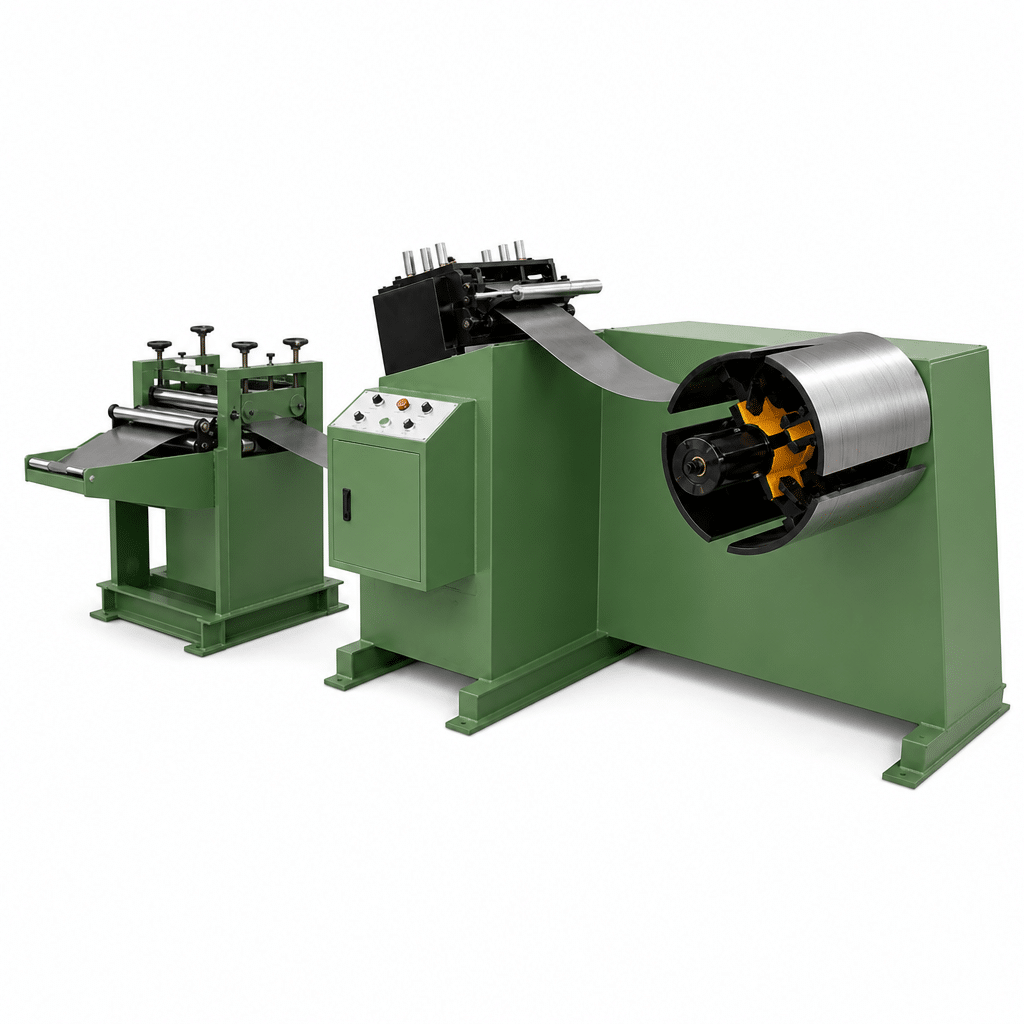
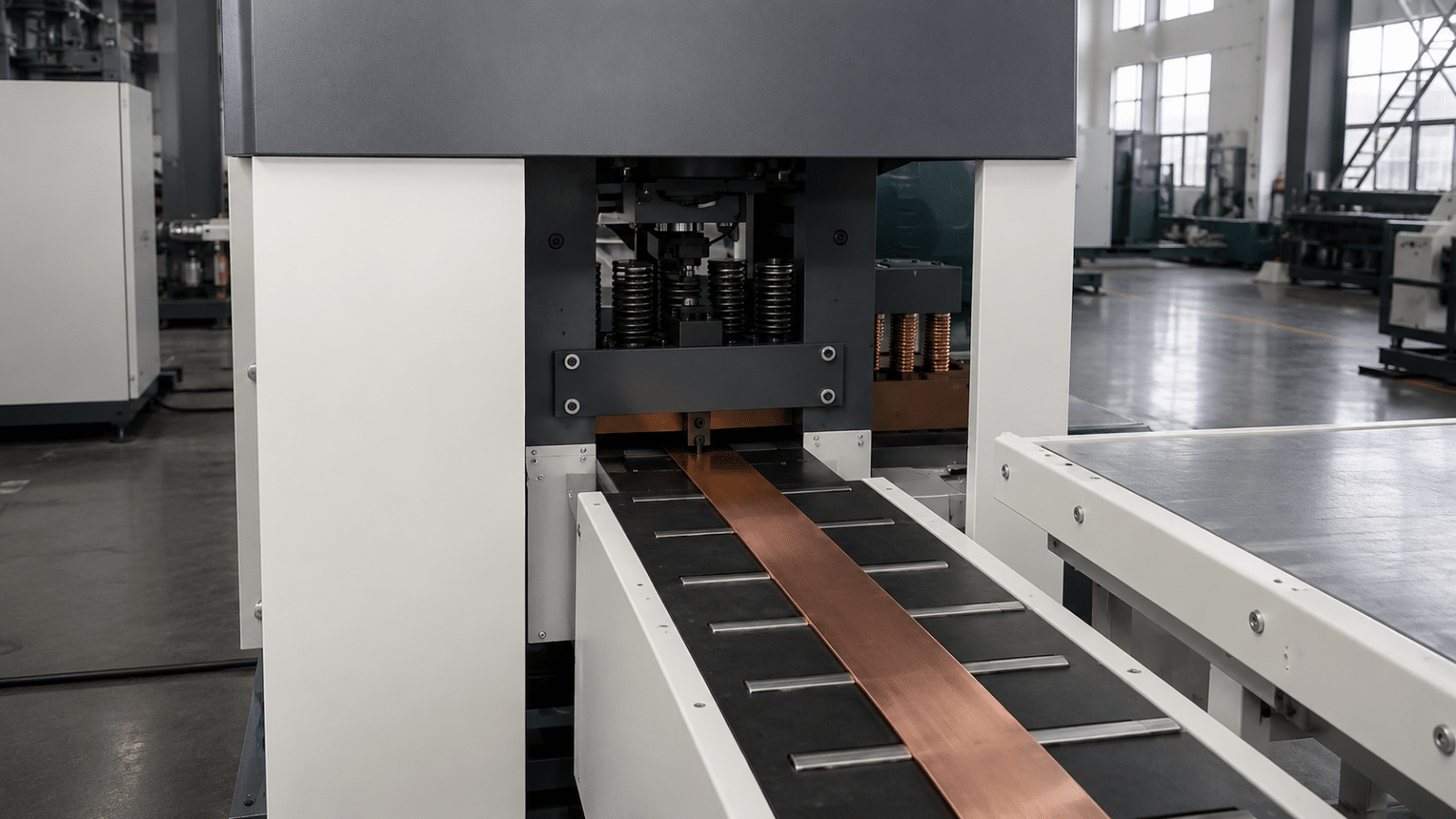
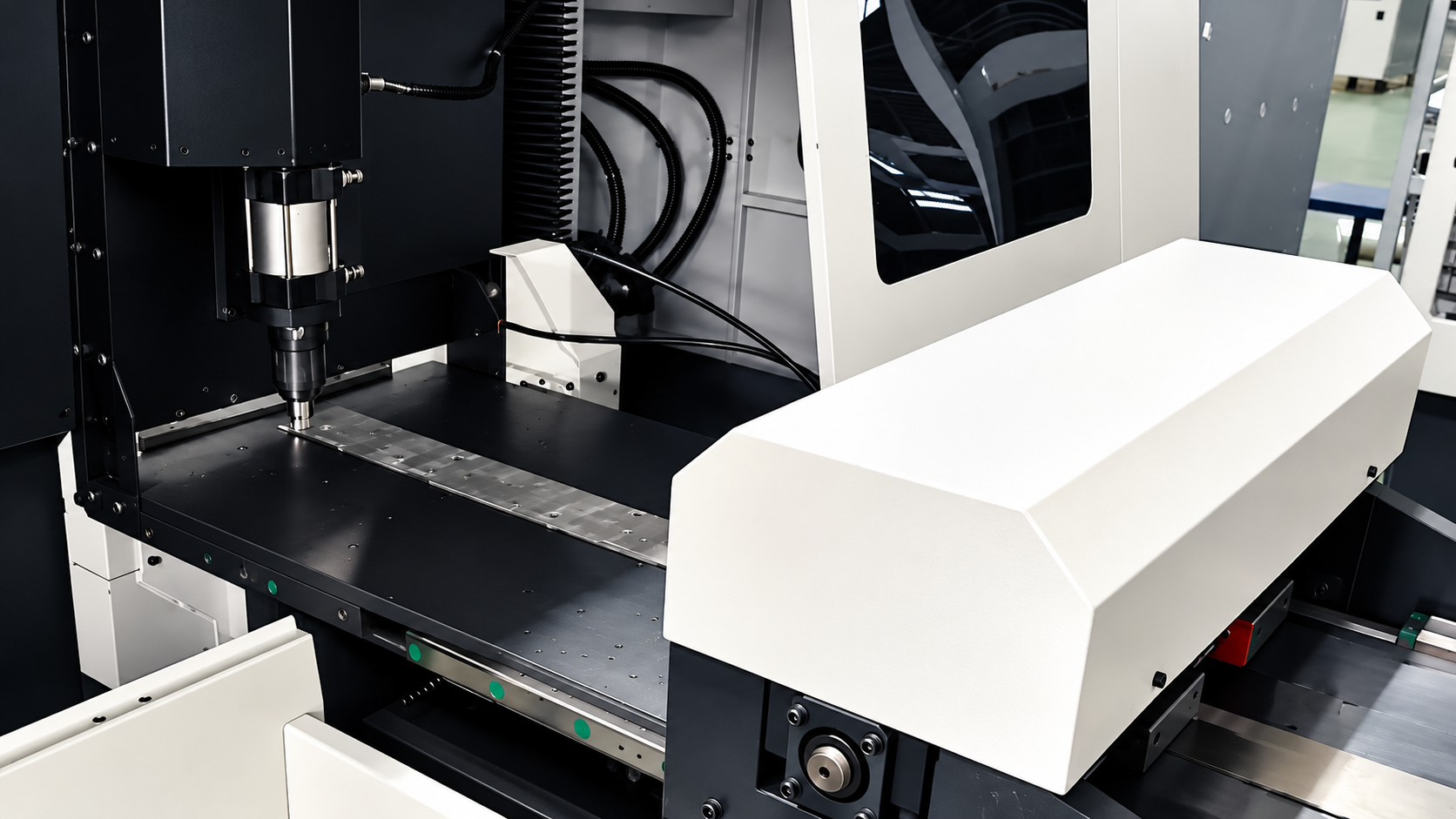
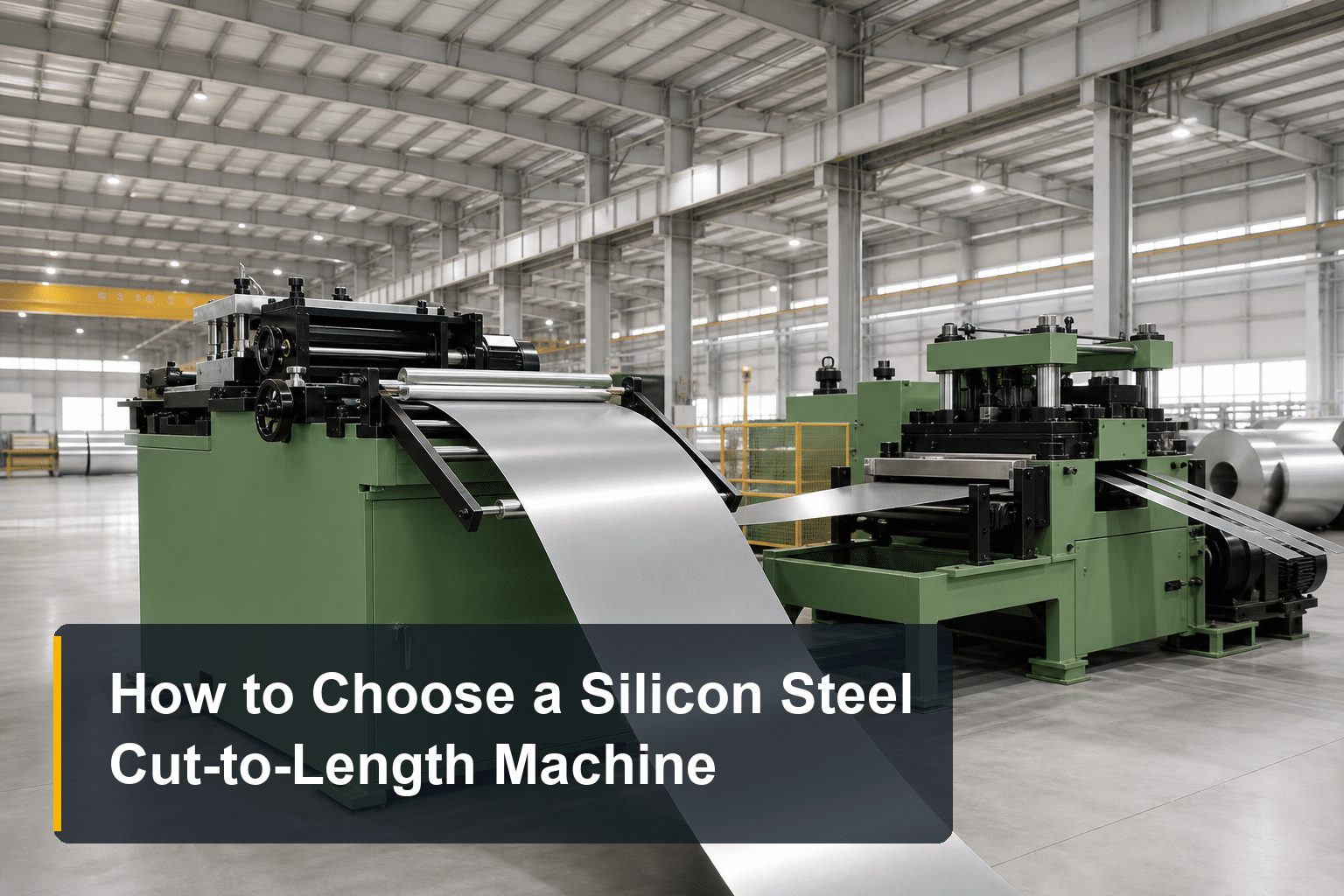
A silicon steel cut-to-length machine unwinds CRGO strip, levels it, feeds it to a programmed length, and shears it into flat laminations — automatically, at production speed. It produces straight-cut sheets for distribution transformer cores, power transformer core preparation, reactors, and service-center work.
If you are not yet familiar with the process itself — decoiling, leveling, measuring feed, and shearing — our silicon steel cutting machine guide covers the working principle first. This article focuses on the buying decision.
Key Specifications to Compare
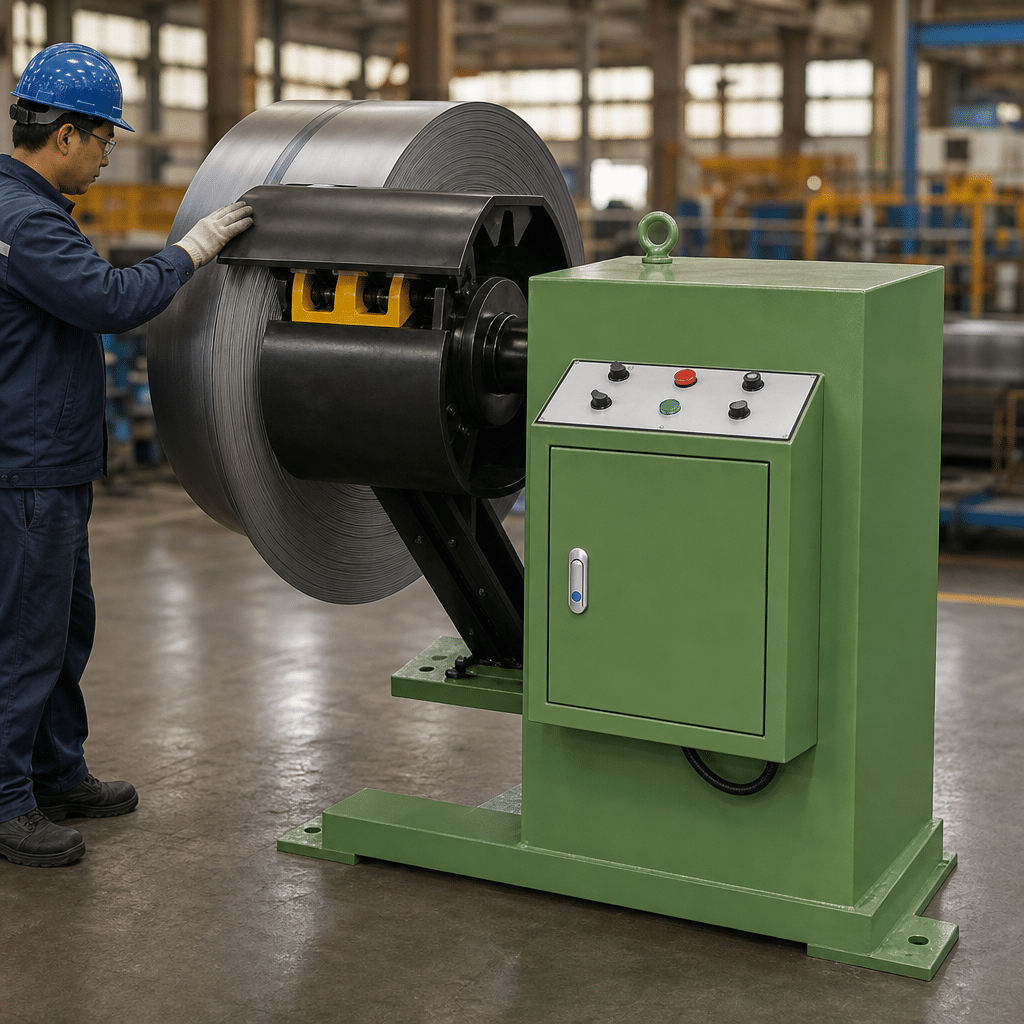
Five numbers define any machine in this class. Get them from the manufacturer’s datasheet and compare them against your material, not against the brochure’s best case:
- Cutting width range. The single most important spec — it decides which laminations you can produce at all. The three standard classes are 25–300 mm, 25–400 mm, and 40–600 mm.
- Thickness window. 0.23–0.5 mm covers all common transformer-grade CRGO (0.23, 0.27, 0.30, 0.35 mm). If you ever cut thicker strip, confirm the shear is rated for it.
- Length accuracy. ±0.05 mm/m is the benchmark for transformer laminations. On a 500 mm sheet that is ±0.025 mm — tight enough for direct stacking without sorting.
- Burr height. ≤0.02 mm. Burr punctures interlaminar insulation and raises core losses; anything above this number costs you magnetic performance downstream.
- Feeding speed. 180 m/min sets your hourly output. At typical lamination lengths this means thousands of sheets per shift.
One caution on accuracy claims: ask whether stated length accuracy holds at full feeding speed. Some machines quote accuracy measured at crawl speed, then lose tolerance at production rate because the strip’s momentum overshoots the stop point. A servo-driven feed with proper deceleration profiling holds ±0.05 mm/m at 180 m/min; a simpler drive may not. This single question separates serious machines from brochure machines.
Burr deserves the same scrutiny. Burr height depends on blade material, blade clearance for each thickness grade, and how the clearance is adjusted. Machines with quick, calibrated clearance adjustment keep burr low across the whole 0.23–0.5 mm window; machines with fixed or awkward adjustment tend to be run at one compromise setting — and burr suffers at the extremes.
Matching XE-300, XE-400, or XE-600 to Your Application
The three models share the same thickness range, accuracy, burr control, and speed — they differ only in width capacity:
| Item | XE-300 | XE-400 | XE-600 |
|---|---|---|---|
| Cutting width | 25–300 mm | 25–400 mm | 40–600 mm |
| Cutting thickness | 0.23–0.5 mm | 0.23–0.5 mm | 0.23–0.5 mm |
| Length accuracy | ±0.05 mm/m | ±0.05 mm/m | ±0.05 mm/m |
| Cutting burr | ≤0.02 mm | ≤0.02 mm | ≤0.02 mm |
| Feeding speed | 180 m/min | 180 m/min | 180 m/min |
Match the model to your product mix:
- XE-300 — distribution transformer workshops cutting narrow to medium laminations for known, stable designs. The economical choice when your widest sheet stays under 300 mm.
- XE-400 — factories producing several transformer models, or planning to. The extra 100 mm of width is cheap insurance against future product changes.
- XE-600 — electrical steel service centers and larger transformer plants. When incoming orders are unpredictable, width capacity is what wins contracts.
A practical rule: list every lamination width in your current product range, add the widest design you expect within three years, and buy one class above that number.
Standalone Machine or Full Core Cutting Line?
This is the real fork in the road. A standalone cut-to-length machine is the right choice when:
- Your laminations are straight-cut — no miter cuts, V-notches, or punched holes
- You produce distribution-class cores or supply cut sheets as a service center
- Volume justifies automation of shearing, but not yet a full line
Step up to a full core cutting line when you need 45° miter cuts for step-lap cores, integrated punching, or automatic sorting and stacking after the shear. The two machines are not competitors — they sit at different automation levels of the same process. Our transformer core cutting line guide compares all five line types if you are evaluating that step.
Budget logic helps the decision. A standalone machine costs a fraction of a full line and pays back quickly whenever manual shearing is your bottleneck. A full line only justifies its price when step-lap designs are a real part of your order book — buying punching and notching capacity you never use is capital sitting idle on the floor. And if much of your cutting work is actually recutting remnant sheets and offcuts, a dedicated secondary material cutting line is the more economical fit than either option.
Questions to Ask a Silicon Steel Cutting Machine Manufacturer
Before requesting a quotation, prepare your strip data: width range, thickness grades, lamination lengths, and target output per shift. Then ask the manufacturer or supplier:
- Which model covers my width range with margin — and what is the price step to the next class?
- Is the ±0.05 mm/m length accuracy guaranteed at full 180 m/min speed, or only at reduced speed?
- How is burr kept at ≤0.02 mm — blade material, clearance adjustment, and sharpening interval?
- How long does a length changeover take between jobs, and is it done from the control panel?
- What coil weight can the decoiler handle, and is coil loading manual or assisted?
- What spare blades and wear parts should we stock, and what do they cost?
- Can you share references from transformer factories running the same model?
- What are the lead time, warranty, and commissioning arrangements?
A working reference answers most of these better than a datasheet: a transformer plant in Tabriz, Iran runs a silicon steel cutting machine that made lamination preparation a one-pass job — ask any supplier you evaluate for a comparable installation.
Conclusion
Choosing a silicon steel cut-to-length machine is simpler than most equipment decisions: verify the accuracy trio (±0.05 mm/m length, ≤0.02 mm burr, 180 m/min feed), pick the width class one step above your widest lamination, and be honest about whether you need a full cutting line or a standalone machine. Specifications and configuration details are on our silicon steel cut-to-length machine product page — or send us your lamination drawings and we will recommend a model.