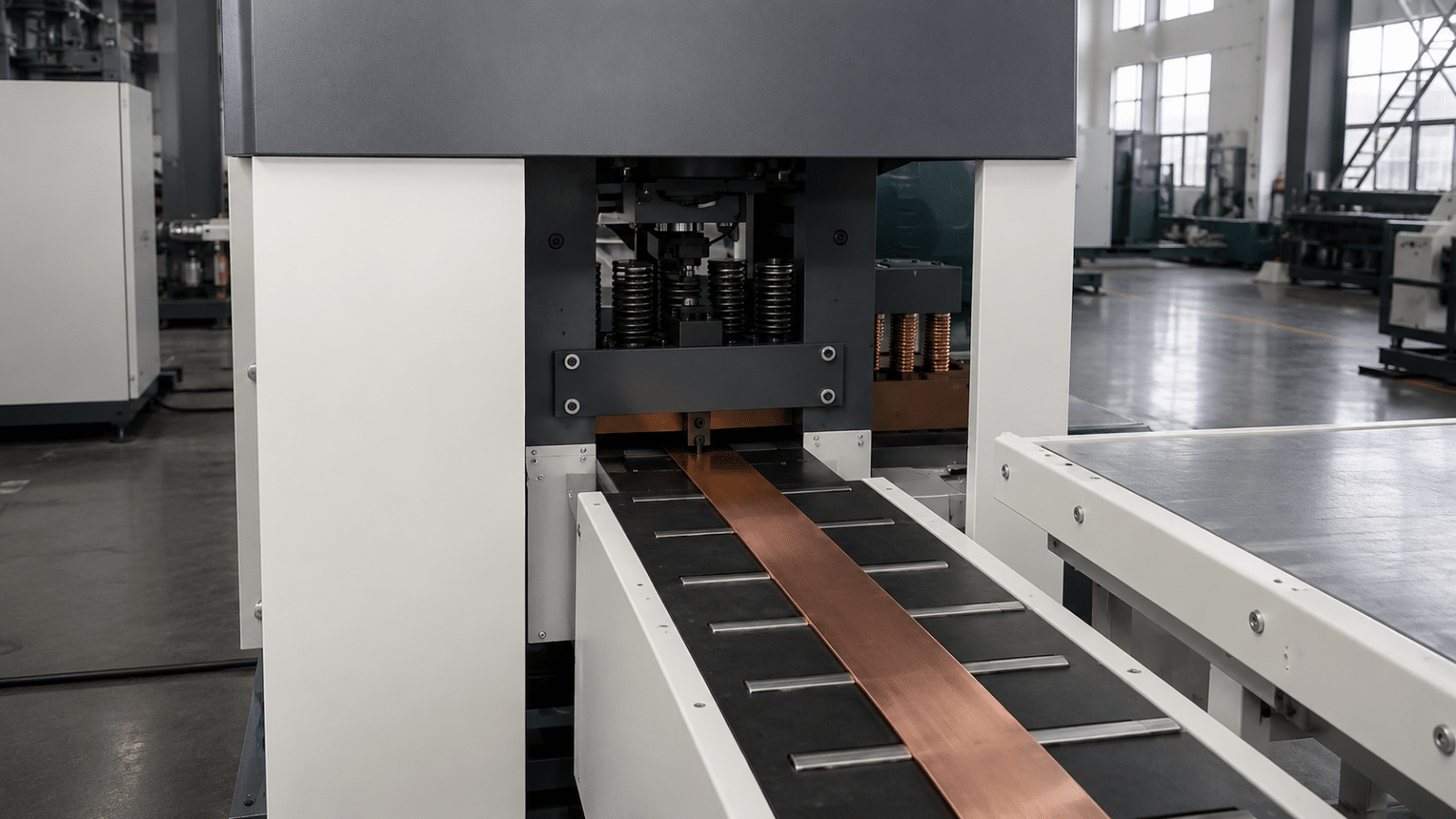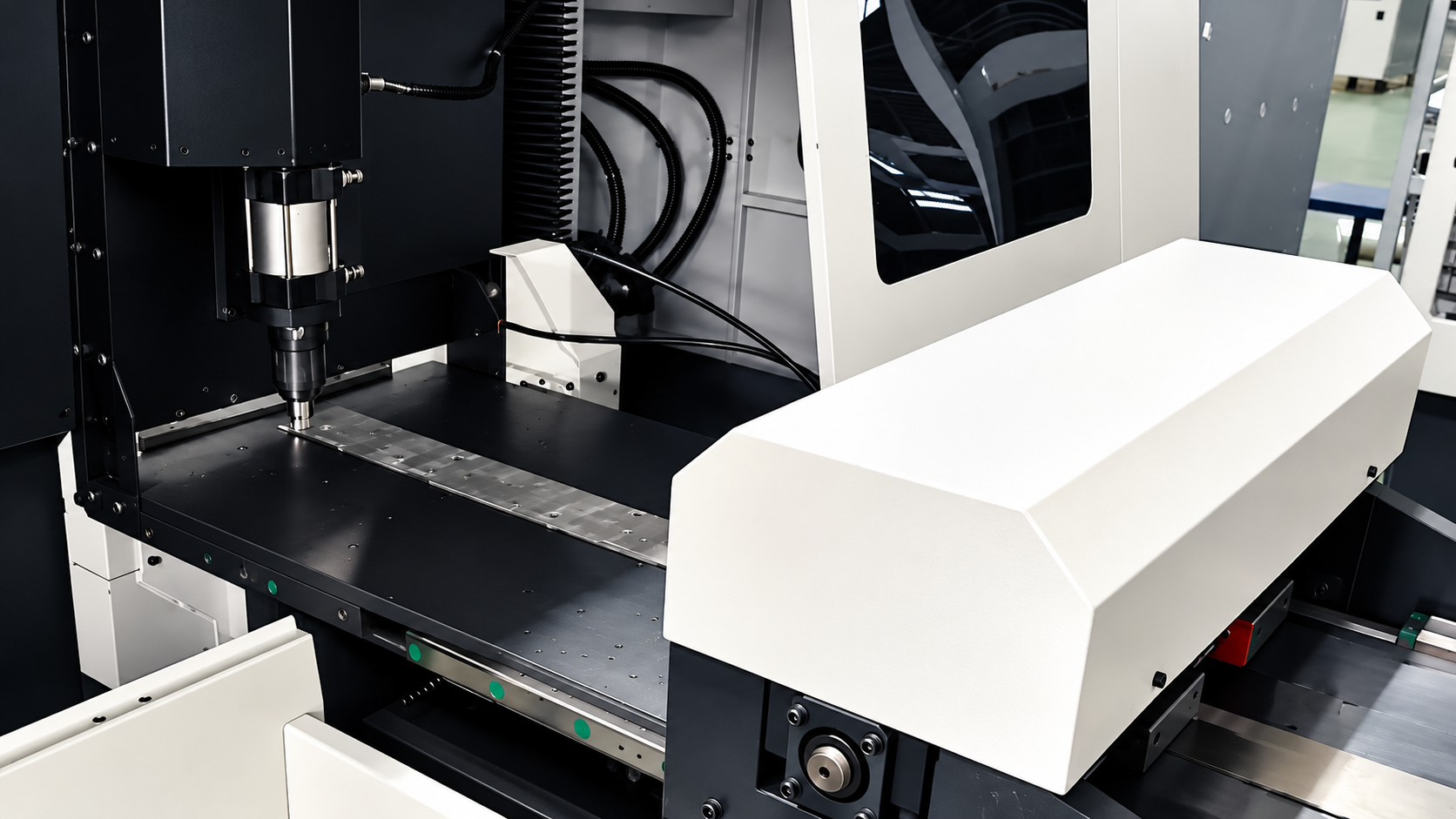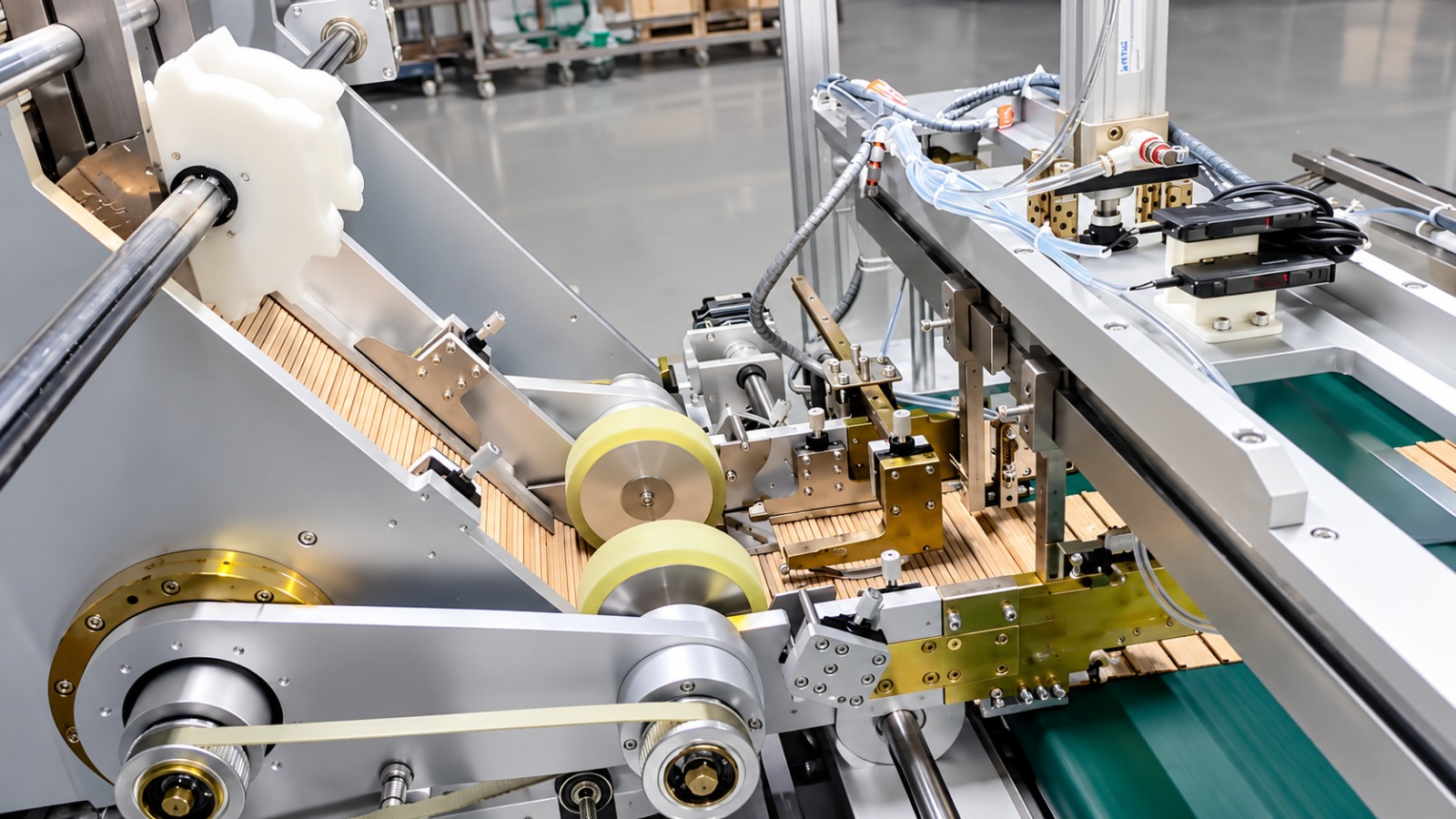
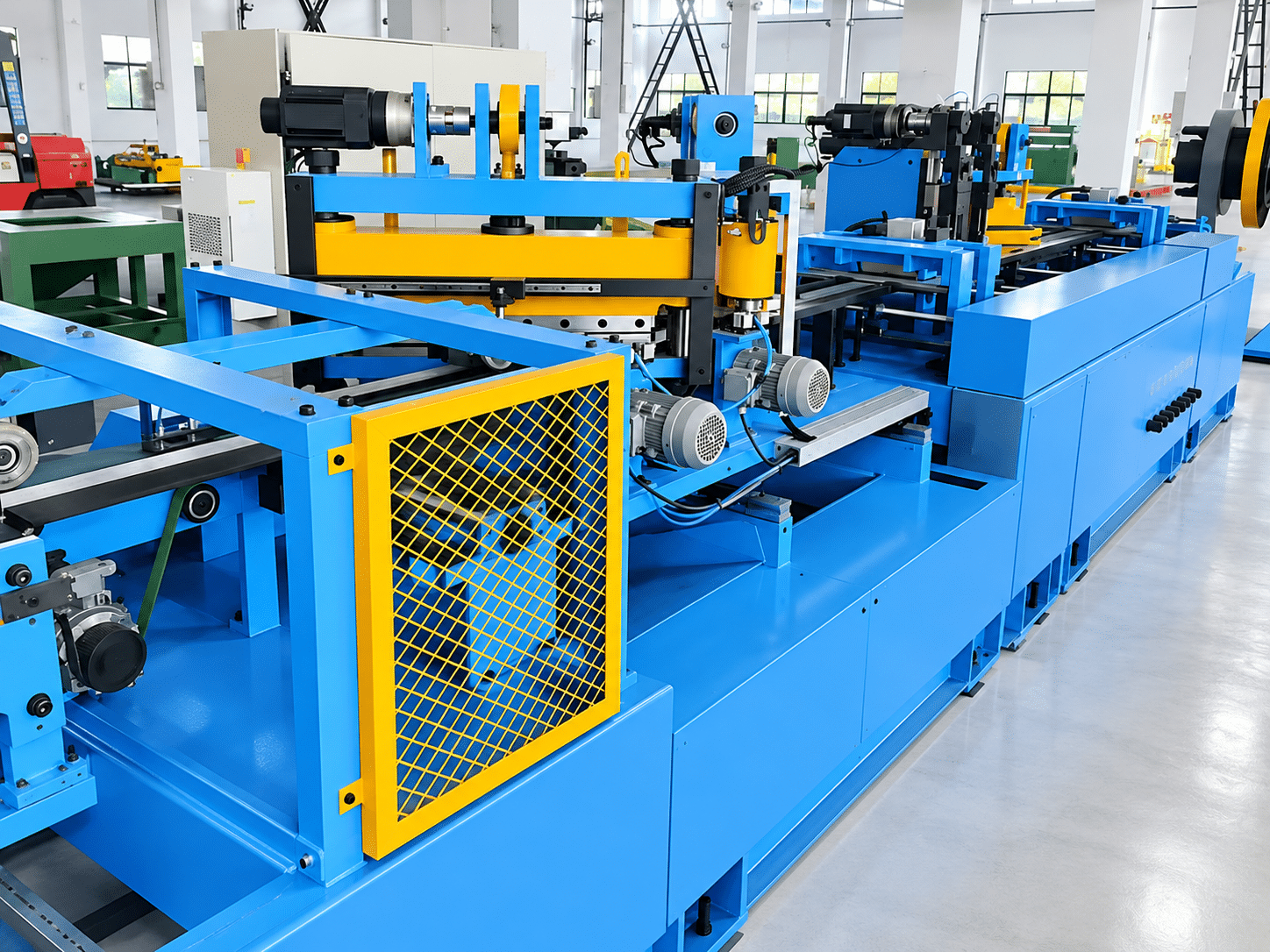
| Equipment | Silicon Steel Cutting Machine |
| Customer | An electric power and distribution transformer manufacturer in Tabriz, Iran (Middle East market) |
| Application | Cut-to-length shearing of CRGO silicon steel and core lamination production |
Customer information has been anonymized to preserve only region and industry attributes. Results are typical operating reference values and may vary by production line conditions.
1. Customer Background
This transformer manufacturer in Tabriz, Iran, serves the Middle East power grid and industrial distribution market, producing 10–36 kV distribution transformers and 63 kV power transformers across a floor space of several thousand square meters. Its core workshop cuts rolls of CRGO silicon steel into laminations of the required width every day, supplying cores for transformers across multiple voltage classes as well as reactors and other electrical core assemblies. The plant runs a continuous core production line, so the shearing stage feeds directly into stacking and assembly and any inconsistency there ripples downstream. Previously the laminations were cut on a semi-automatic shear with manual measurement, so dimensional consistency was poor, burrs were hard to control, and laminations needed secondary trimming before stacking — a bottleneck that slowed the whole core line and added material waste.
2. Industry Pain Points
The core is the magnetic path of a transformer, so the cutting length accuracy and burr level of silicon steel directly determine lamination consistency, core loss and stacking efficiency. The plant faced three problems in the shearing stage:
Poor dimensional consistency, dependent on manual measurement. A semi-automatic shear relied on manual positioning and feeding, so cutting length fluctuated and laminations were uneven, forcing repeated trimming that slowed the cycle and increased waste.
Excess burr, damaging insulation and stacking quality. When shearing burr exceeded 0.05 mm, lamination edges lifted and pierced the inter-sheet insulation, while accumulated burr raised the core, harming magnetic performance and stack height uniformity.
Cumbersome changeovers and high scrap. Every transformer model required re-setting the positioning and feeding, and the lead-in and over-cut sections often became scrap, so material utilization stayed low.
3. Solution
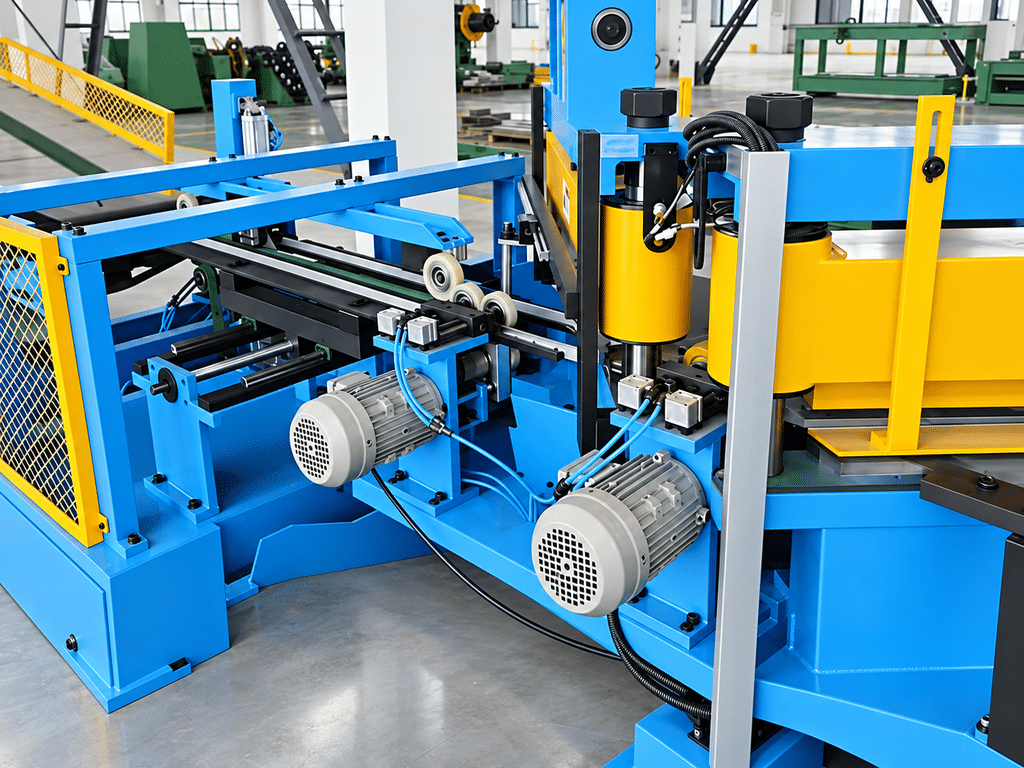
TRANFOVIA assessed the customer’s lamination width range and output, then recommended the silicon steel cutting machine: automatic feeding, precise shearing and stable cut-to-length control that turned shearing from a manual skill into a standard process. It is sized both for the current distribution-transformer volumes and for the wider laminations used in the plant’s larger power transformers, so the same machine can carry the core line across multiple products.
Stable automatic feeding, less deviation. The feeding system delivers material consistently during cutting, reducing sheet drift and improving repeatability across batches, so lamination dimensions are more uniform.
High cut-to-length accuracy, controlled burr. Cut-to-length accuracy reaches ±0.05 mm/m, with shear burr of ≤0.02 mm, so lamination edges stay flat and free of turning, ready for stacking without secondary trimming.
Handles CRGO and electrical steel. The machine processes the CRGO silicon steel commonly used in transformer cores, with a cutting thickness of 0.23–0.5 mm covering the mainstream gauges for distribution and power transformers.
Full range across models. The XE-300 / XE-400 / XE-600 options cover cutting widths of 25–300 / 25–400 / 40–600 mm, so it can be selected to match current lamination widths and future expansion rather than being locked to a single size.
4. Implementation and Commissioning
After the machine arrived, TRANFOVIA engineers worked with the customer’s process, equipment and safety departments in three steps:
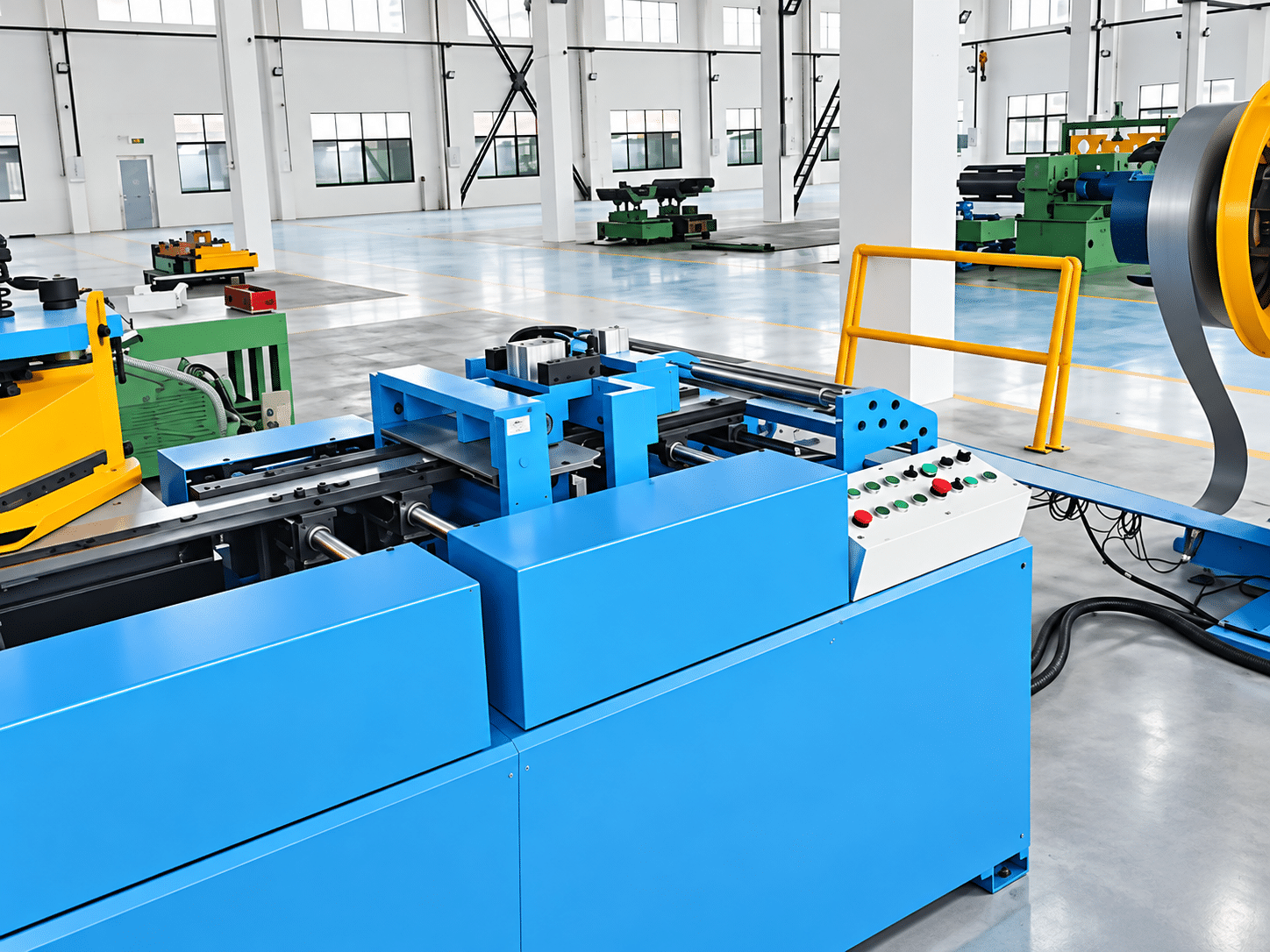
Selection and pre-configuration by lamination range. Based on the customer’s typical lamination width, gauge and shift output, the XE-600 profile was preselected, cutting accuracy and feeding speed verified and a configuration list issued; before delivery the customer confirmed the shop layout, power supply and protective fencing. TRANFOVIA also mapped the machine’s cut-to-length sequence against the existing core line so the two physically matched on the first day of production.
Feed–shear–discharge integration. The feeding rollers, pressing mechanism and cut stroke were calibrated while running empty, then a set of typical silicon steel sheets was trial-cut to verify length accuracy and burr until continuous laminations ran without drift.
Operator training and maintenance handover. A two-day on-site training covered parameter setting for different widths and gauges, plus routine checks of the blades and feeding rollers, and an English operation and maintenance manual was delivered.
5. Operating Results
After four months of operation, the customer tracked the core shearing stage (typical operating reference values; actual results vary by production line conditions):
| Indicator | Before (semi-auto shear + manual measurement) | After (silicon steel cutting machine) |
| Cutting length accuracy | ±0.3 mm variation, needing trimming | ±0.05 mm/m |
| Shear burr | 0.05–0.1 mm, needing deburring | ≤0.02 mm |
| Per-sheet cutting cycle | Manual positioning, low efficiency | 180 m/min feeding |
| Secondary trimming after stacking | Every 10 sheets needed a trim row | Largely eliminated |
| Changeover time | Half a day | 30–40 minutes |
The most direct improvement was lamination consistency and first-pass yield: core stack dimensions stayed stable and edges stayed clean, with no more deburring or shim leveling, and both cycle time and material utilization improved. Because the laminations now arrive at the stacker at a uniform size, the stacking operators can hold a tighter stack height and a flatter core face, which supports consistent core loss across the whole batch — an important factor in the plant’s transformer efficiency targets.
6. Customer Feedback
“We used to rely on the hands of the experienced operator, so dimensions and burrs fluctuated and laminations still needed secondary trimming. This machine turned shearing into a one-pass job — stable dimensions, clean edges, and no more half-day changeovers.” — Production Supervisor
7. Summary and Next Steps
For manufacturers producing cores for multiple voltage classes, silicon steel shearing is not a process that can depend on feel. The silicon steel cutting machine uses stable automatic feeding, precise cut-to-length shearing and controlled burr to hold lamination dimensions within tolerance, reducing trimming, scrap and core-loss variation at the source. It can also be combined with a slitting line, a core cutting line and core stacking equipment to form a complete transformer core production set, so the shearing stage no longer caps the output of the rest of the core line.
To configure a core shearing solution for your lamination width, gauge and output, please contact the TRANFOVIA technical team.
- WhatsApp: +86-15958243831
- Email: sales@tranfovia.com
- Website: https://tranfovia.com/