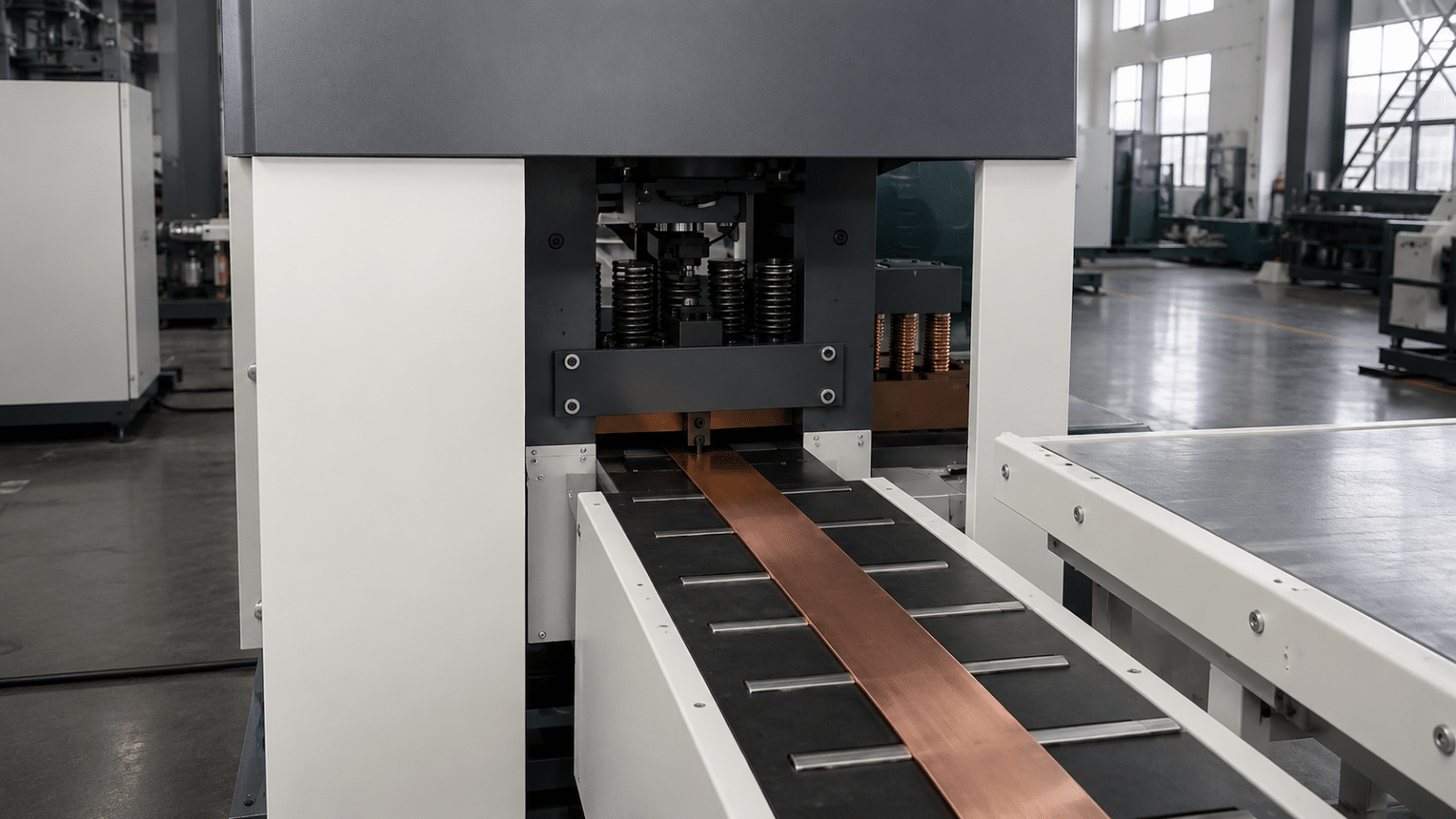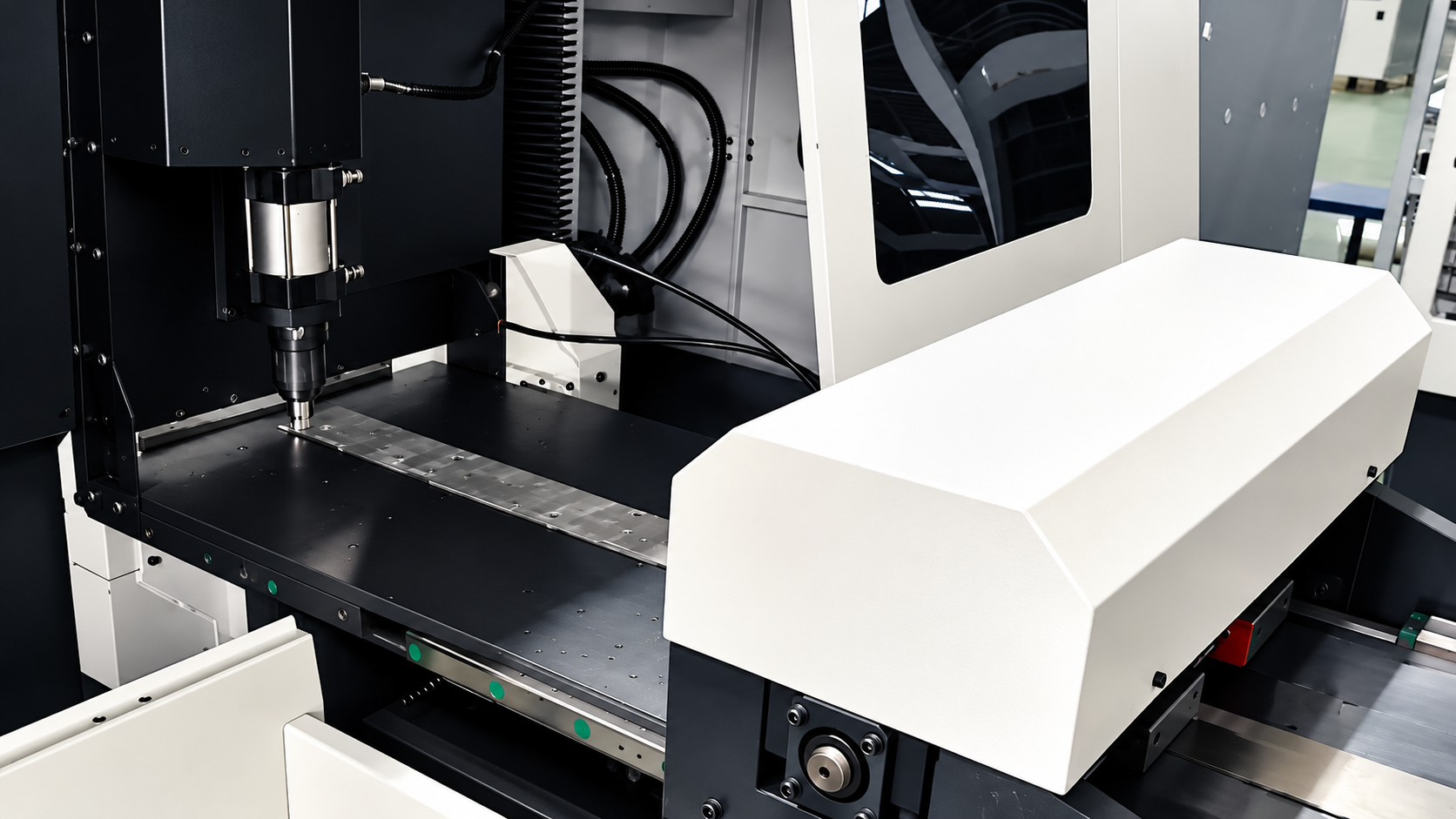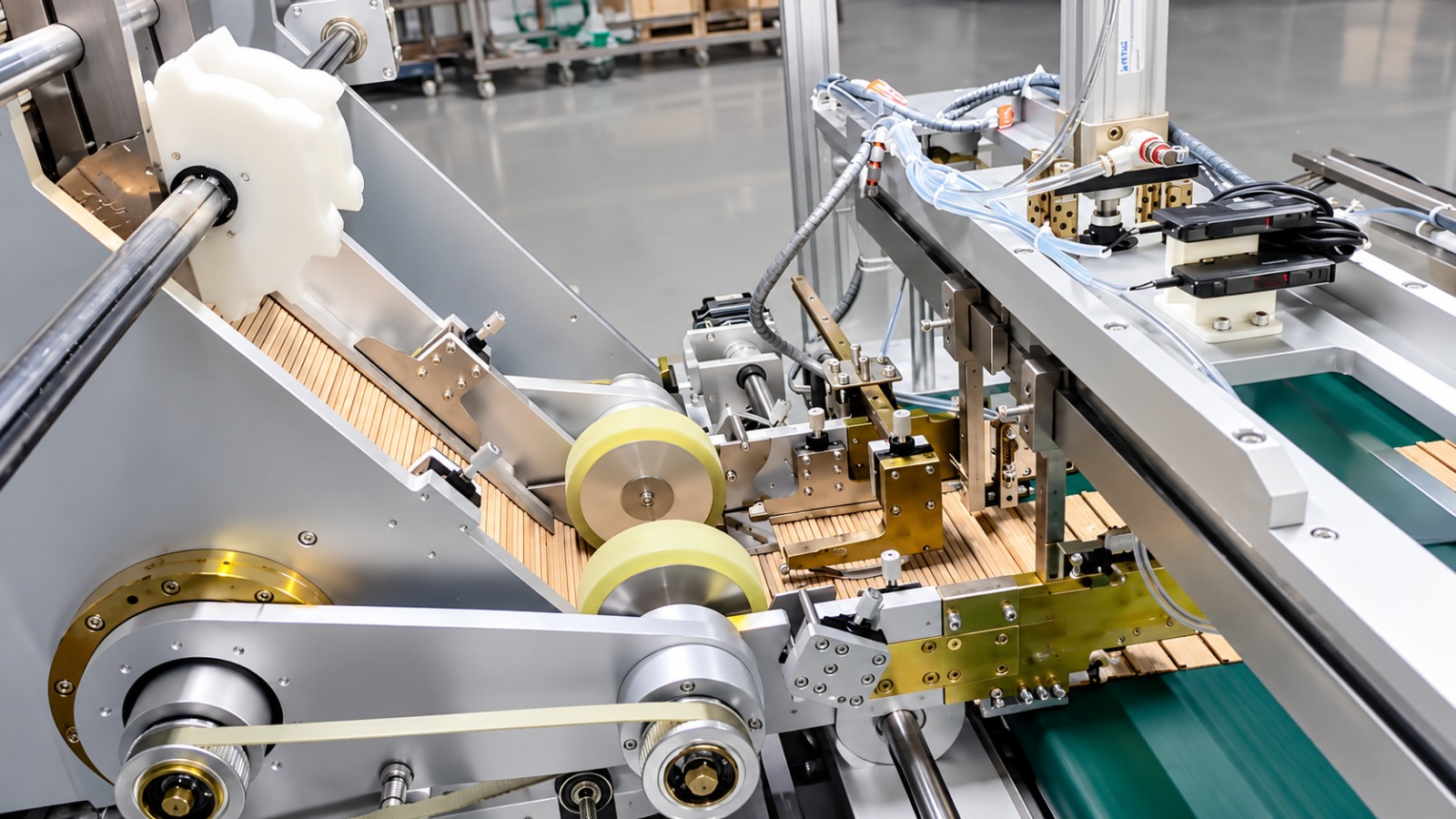
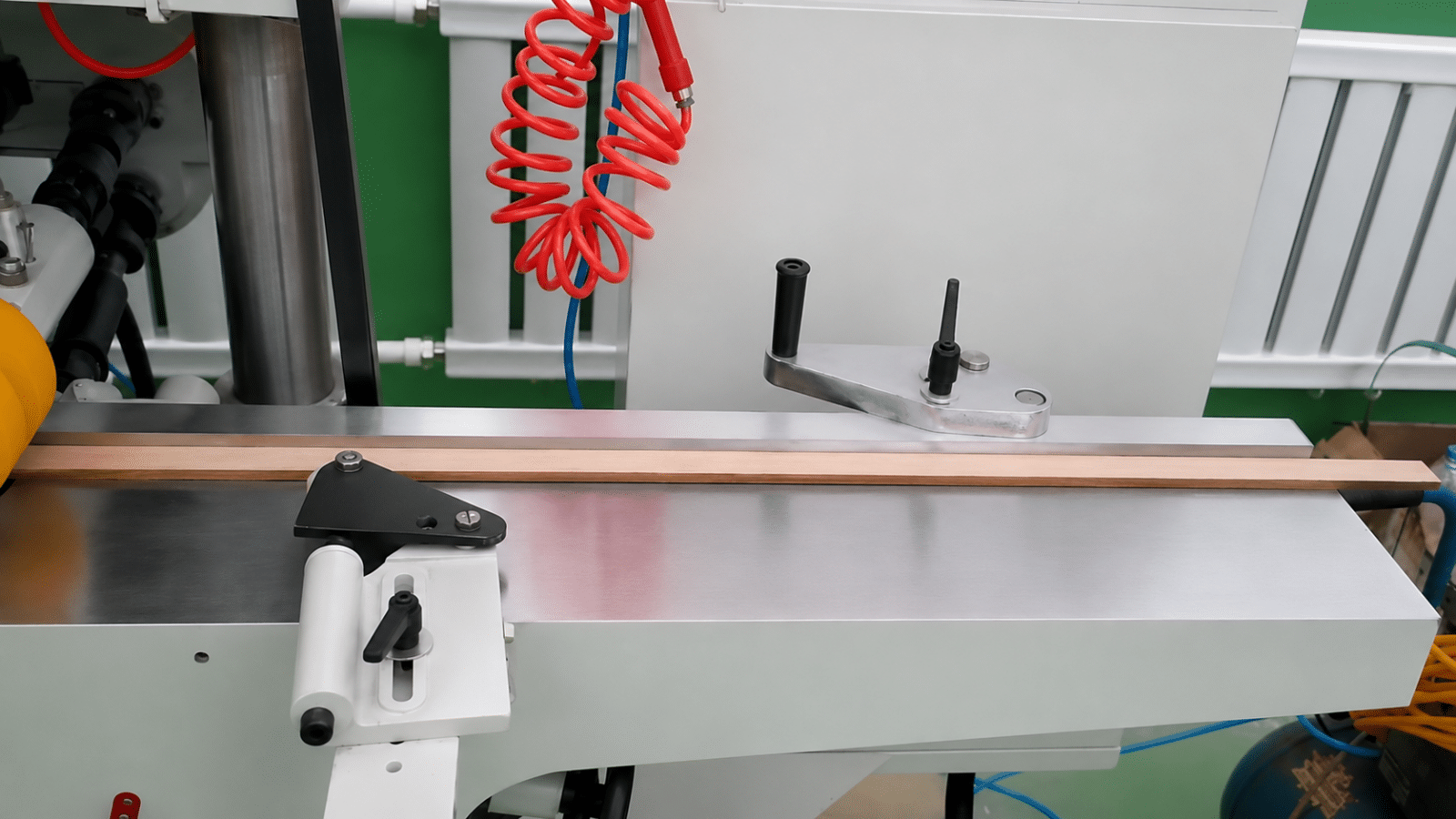
| Equipment | Single T Type Pressboard Strip Shaping Machine (adjustable cutter shaft, optional semi-automatic feeding system) |
| Customer | A medium-voltage distribution and dry-type transformer manufacturer in Zaragoza, Aragón, Spain (in-house insulation parts shop) |
| Application | Shaping T-type spacers, dovetail strips, pigeon-tail strips and rectangular oil-gap strips from 3–15 mm pressboard; the same machine also serves as a cooling-duct cutter |
1. Customer Background
The customer builds medium-voltage distribution transformers and dry-type transformers in Zaragoza, and supplies its own winding ducts and spacers. The spacer mix is wide: T-type spacers, dovetail strips, pigeon-tail strips and the rectangular oil-gap strips placed between winding layers. Each of the four profiles runs in modest batches, a few thousand metres a month, rotated through the shop. Wide strips used to be subcontracted while narrow ones ran on a multiple-strip shaping machine, with the profiles notched by hand against a scribed line. When dry-type orders grew, assembly kept returning spacers whose shoulders did not match, and the customer decided to bring all four profiles back in-house onto a single machine.
2. Industry Pain Points
Cutting is not the hard part. The hard part is keeping shoulders consistent when four profiles share one machine. The customer’s previous practice had five problems:
- Wide strips hit the multi-strip ceiling: the multiple-strip machine tops out at 70 mm finished strip width, so an 80–100 mm T-type spacer had to be subcontracted or built by bonding two strips together;
- Four profiles, four methods: T-type, dovetail, pigeon-tail and rectangular oil-gap strips were each produced differently, with the shoulder notched by hand, so depth varied from strip to strip and assemblies rejected the parts;
- Thickness changes forced a teardown: 3 mm sheet and 15 mm sheet ran in the same week, and the old machine had no plate-thickness setting, so one cutter had to bite both thicknesses — thin sheet crushed, thick sheet burned the blade;
- Dust and frayed edges: pressboard dust went uncollected, the cutting edge overheated, and strips came off with frayed, delaminated edges that had to be dressed by hand before assembly;
- Subcontracting does not pay at this volume: a few thousand metres per profile against minimum order quantities and four-week lead times kept pushing inventory higher.
3. Solution
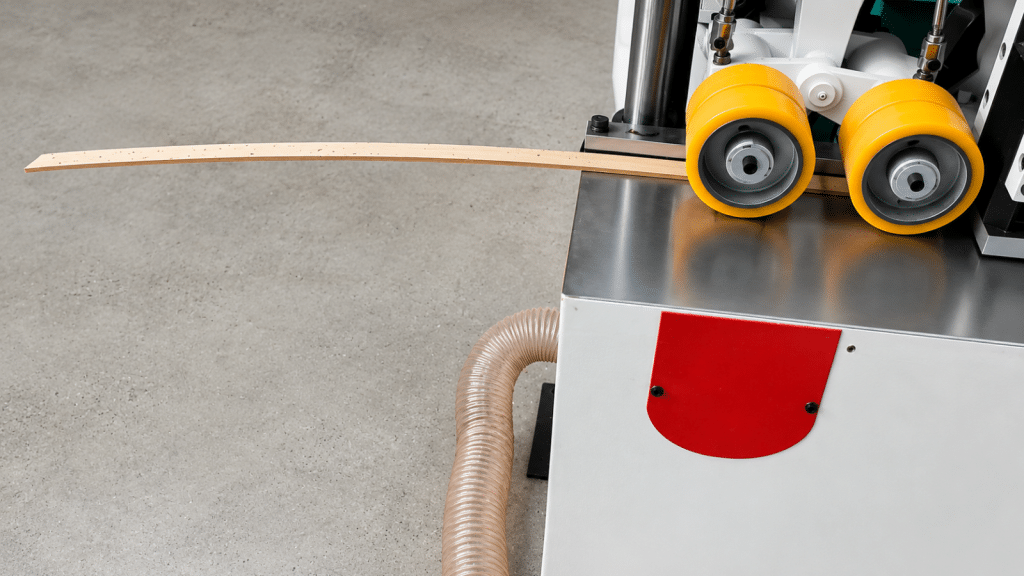
The customer chose the Single T Type Pressboard Strip Shaping Machine. The objective was not output but profile coverage: let one machine absorb four profiles, and stop subcontracting the wide ones.
- One adjustable cutter shaft, four profiles: T-type, dovetail, pigeon-tail and rectangular oil-gap strips share a Φ40 mm cutter shaft; a changeover means a different tooling set and a new shaft position, not another machine;
- 10–100 mm finished strip width: a single machine covers everything from a 10 mm oil-gap strip to a 100 mm T-type spacer, so wide strips are no longer capped at the 70 mm limit of a multi-strip machine;
- Plate thickness 3–15 mm set directly: the thickness adjustment matches hold-down height to the sheet, so thin pressboard is not crushed and thick pressboard is not forced through;
- Front and rear active feeding shafts: a Φ120 mm feed roller at each end, with an optional semi-automatic feeding system, pulls strips through without slipping and accepts strips from 1000 mm in length;
- Feed speed 4–15 m/min, continuously adjustable: speed, forward and backward are set on the panel, and trial cuts and production runs use the same controls;
- Cooling and dust collection protect the edge: a cooling and dust-removal system with a bag-type dust collector keeps pressboard dust away from the cutting zone; the same machine doubles as a cooling-duct cutter when the tooling is changed.
4. Implementation and Commissioning
TRANFOVIA engineers worked through commissioning with the customer’s insulation shop in three steps. First, profile and tooling review: the shoulder dimensions of all four profiles were checked against the 10–100 mm strip width and 3–15 mm thickness range, the tooling sets and cutter shaft positions were fixed, and a changeover reference table was issued. Second, site preparation and dry running: the machine was levelled and anchored, power and the dust-collection duct were connected, and the front and rear feed rollers were run in both directions through the full 4–15 m/min range, with the guard and emergency stop verified. Third, trial cutting and training: the customer supplied 3 mm, 6 mm, 12 mm and 15 mm pressboard, the four profiles were cut in sequence, strip width and shoulder contour were sampled, and the operators were trained on tool changing, thickness setting, feed-speed adjustment and bag cleaning using the English manual.
5. Acceptance Results
The machine was accepted item by item against the technical agreement, with the key parameters below (design and acceptance reference values, subject to configuration):
| Item | Design and acceptance reference |
| Processing strip thickness | 3.0–15.0 mm |
| Finished strip width | 10–100 mm |
| Cutter shaft diameter | Φ40 mm |
| Feeding roller diameter | Φ120 mm |
| Minimum processing length | 1000 mm |
| Feeding speed | 4–15 m/min |
| Feeding arrangement | Front and rear active shafts, optional semi-automatic feeding |
| Dust control | Cooling and dust-removal system with bag-type dust collector |
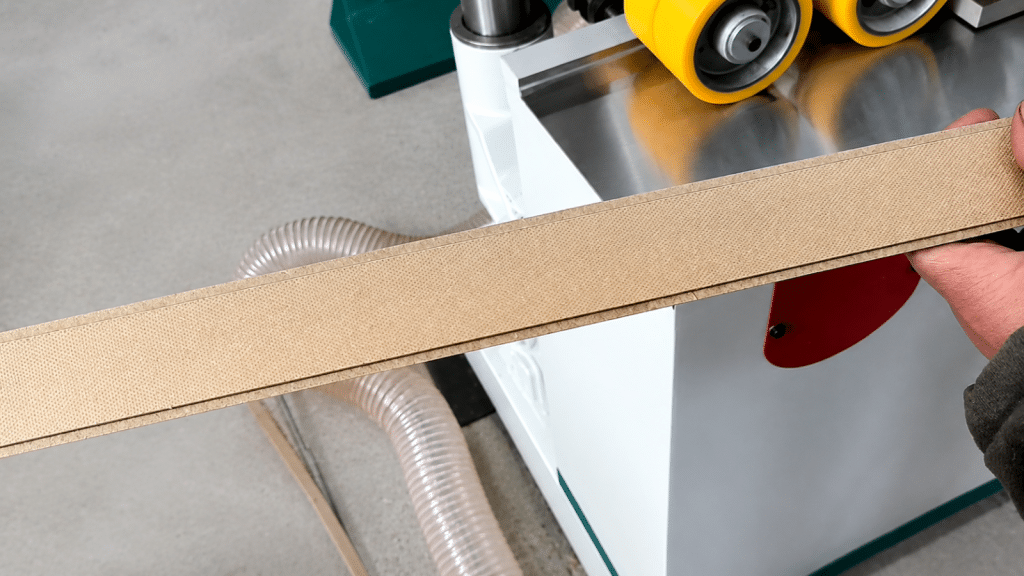
Four profiles and four thicknesses ran back to back on the trial day: the 15 mm T-type spacers came off with shoulders at one depth, the 3 mm strips were not crushed, and the cut edges carried no fraying or delamination, so spacers went to assembly without dressing. Changeover followed the reference table — going from a T-type spacer to a rectangular oil-gap strip meant a different tooling set and a new shaft position, with thickness and feed speed reset on the panel — and production started once the first piece matched the profile gauge.
6. Customer Feedback
“We used to run four profiles four different ways, and the wide ones still went out to a subcontractor. Now a tooling change on one machine handles all four, assembly checks the shoulder against a gauge and stops rejecting parts. We set the thickness on the panel, so 3 mm and 15 mm can run the same day without tearing the machine down.” — Insulation shop supervisor, acceptance stage
7. Summary and Next Steps
The value of the Single T Type Pressboard Strip Shaping Machine is profile coverage rather than throughput. One Φ40 mm adjustable cutter shaft turns a tooling change into a profile change, the 10–100 mm finished width takes on the wide spacers a multi-strip machine cannot run, the 3–15 mm thickness setting lets thin and thick pressboard share a shift without a teardown, and cooling with bag-type dust collection keeps pressboard dust and frayed edges under control.
Next, the customer plans to turn the changeover reference table into an illustrated chart kept at the machine and to schedule production by profile group so tooling changes drop further. It is also evaluating moving oil-gap strip cutting onto the same machine to retire a dedicated cutter. For a multi-profile spacer shaping configuration, contact the TRANFOVIA technical team.
- WhatsApp: +86-15958243831
- Email: sales@tranfovia.com
- Website: https://tranfovia.com/