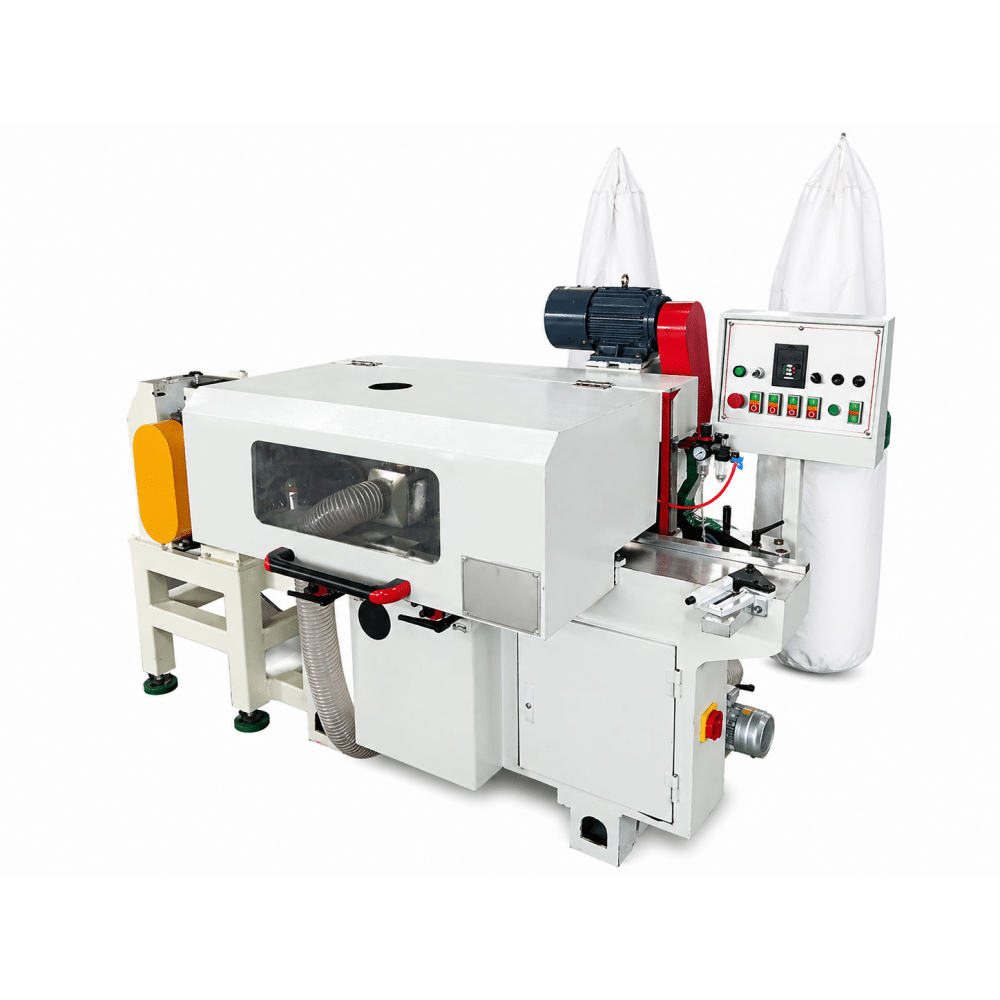
Rolling and Chamfering Machine for Transformer Pressboard Strips Processing
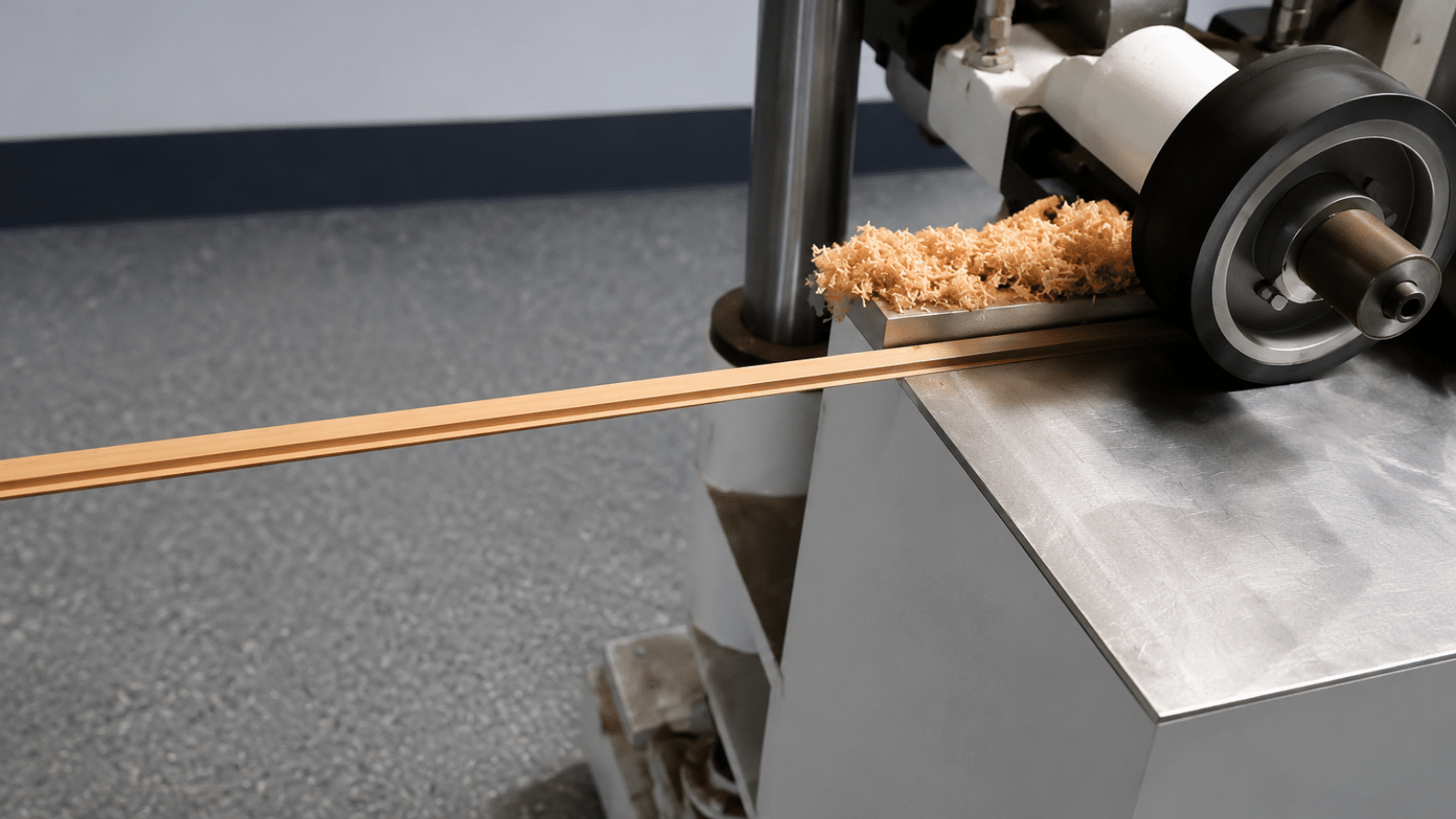
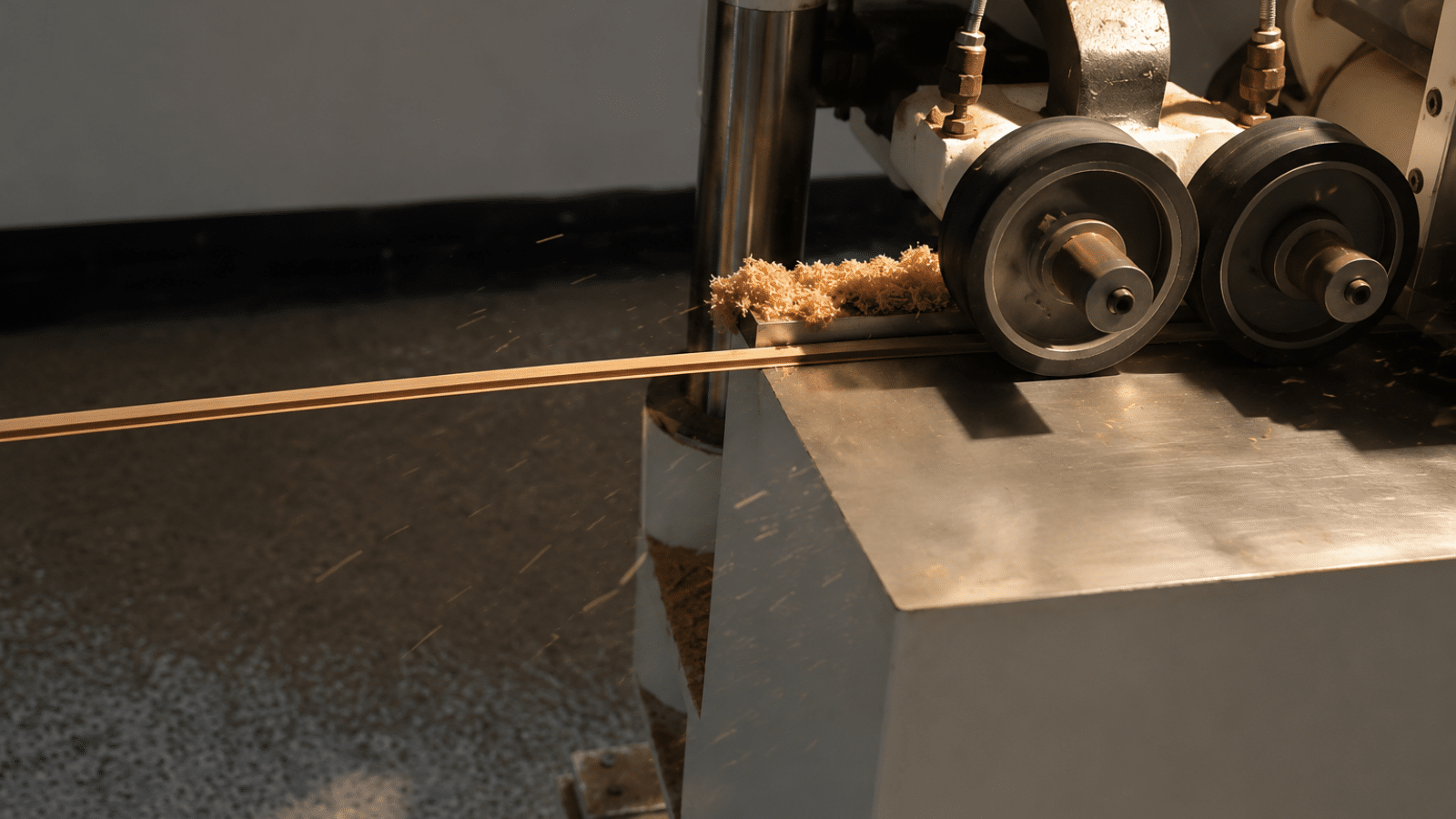
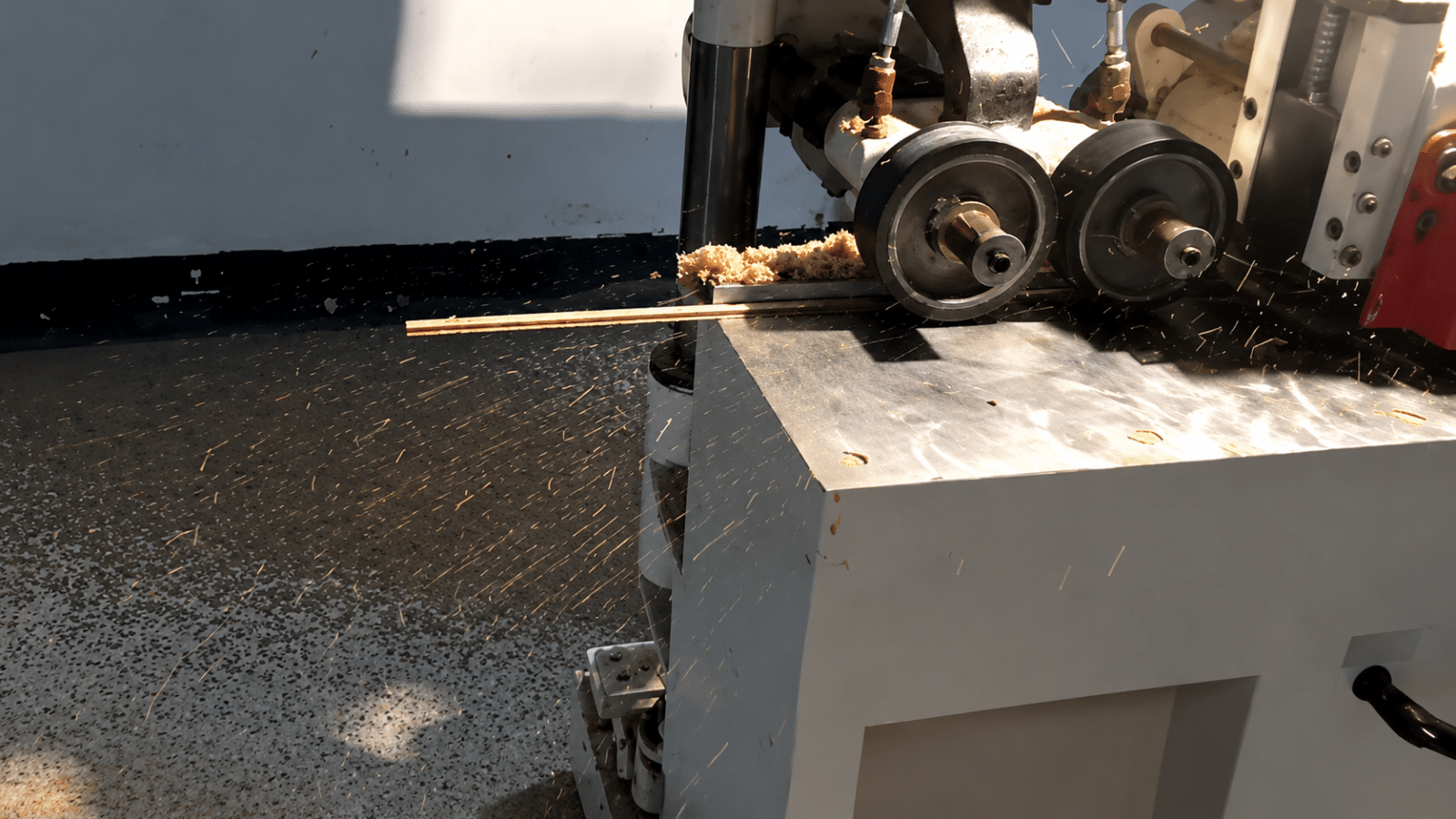
The TRANFOVIA Pressboard Strip Rolling and Chamfering Machine is designed for the finishing stage of transformer insulation-strip production. It applies controlled rolling force to the pressboard strip and machines both longitudinal edges into the required R profile during the same pass. The machine handles strips from 1.5 to 15 mm thick and 10 to 100 mm wide, with a minimum processing length of 700 mm.
Equipment Application
This machine is used after insulation pressboard has been cut or shaped into strips. The prepared strip is fed through the rolling and chamfering units, where it is compressed to the required process ratio and both edges are rounded to the specified R profile. It is suitable for transformer spacer strips, cooling-duct strips and similar pressboard components that require controlled densification and smooth longitudinal edges before winding or insulation assembly.
Main Features
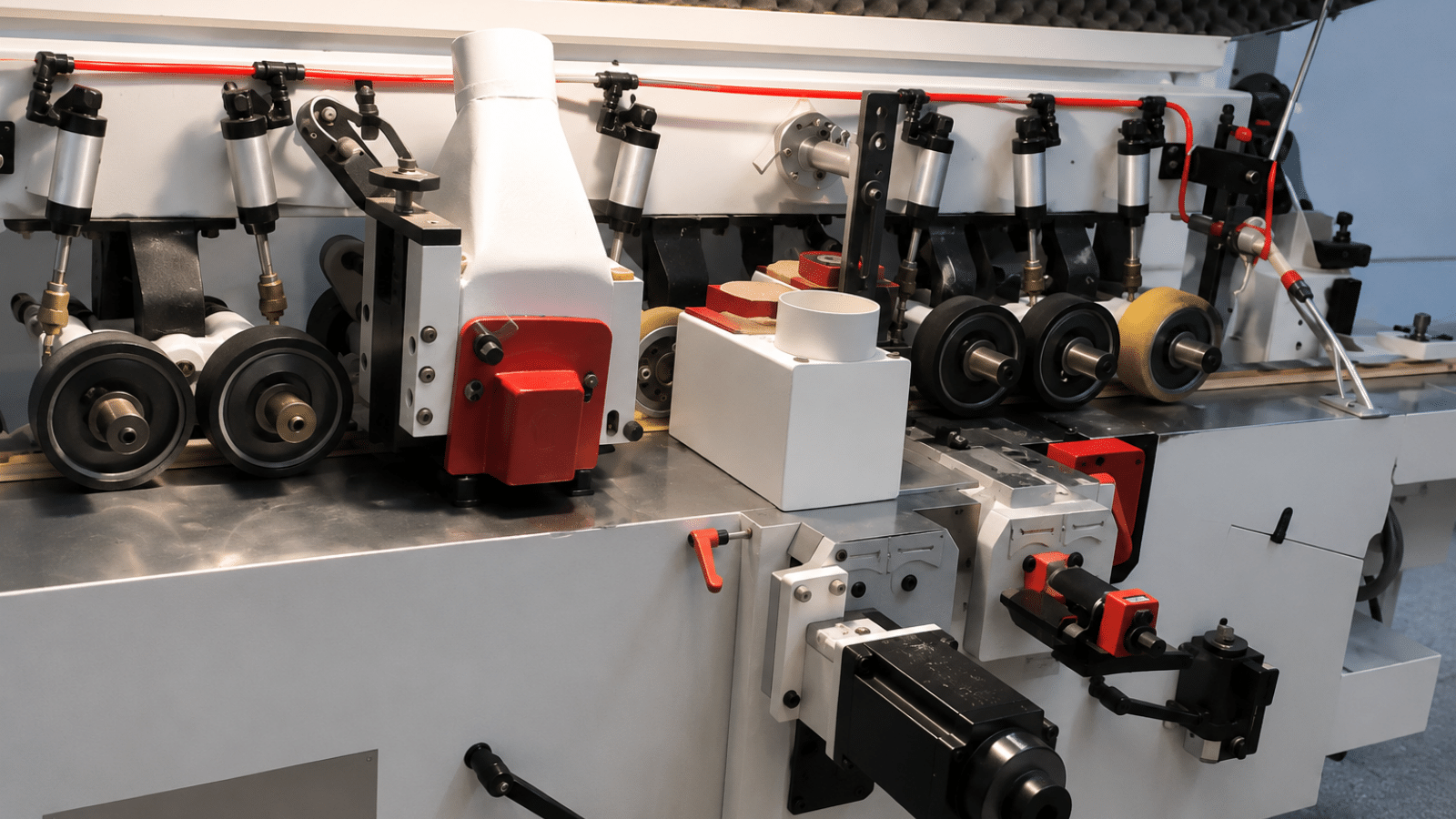
- Rolling and R-edge chamfering in one pass. The rolling and edge-machining units operate at the same time, reducing separate handling between densifying and edge-finishing operations.
- Maximum rolling force of 50 T. The rolling section applies controlled force to the insulation strip for the required compression process.
- 8-10% pressboard compression ratio. The stated compression range provides a clear basis for confirming the incoming strip thickness and required finished dimensions.
- Customer-specified R profile. The R angle is configured around the approved strip drawing and tooling requirement rather than a single fixed radius.
- Synchronized variable-speed processing. Feeding speed is adjustable from 4 to 15 m/min.Frequency-conversion stepless control keeps rolling and chamfering coordinated during production.
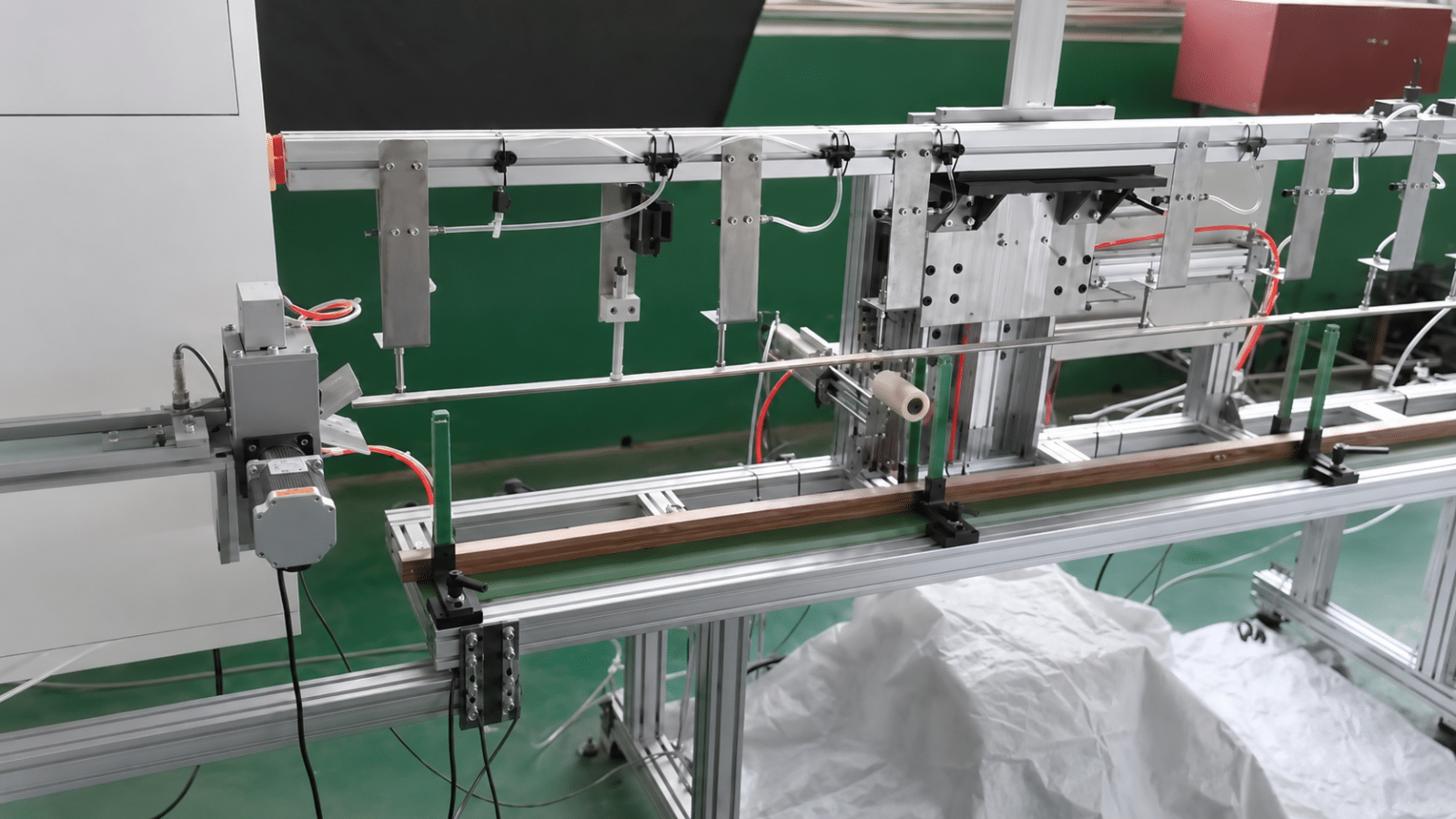
- Flexible line configuration. The rolling and chamfering unit can be configured as a separate line, allowing it to be installed after an existing strip-cutting or shaping process.
Technical Parameters
| Parameter |
Specification |
| Processing material |
Transformer insulation pressboard strips |
| Pressboard thickness |
1.5-15 mm |
| Pressboard width |
10-100 mm |
| R profile |
Customized to the approved strip requirement |
| Milling cutter speed |
6000 r/min |
| Feeding speed |
4-15 m/min, frequency-conversion stepless control |
| Minimum processing length |
700 mm |
| Maximum rolling force |
50 T |
| Pressboard compression ratio |
8-10% |
| Line arrangement |
Can be configured separately |
Rolling and Chamfering Machine vs. Strip Shaping Machine
Pressboard Strip Rolling and Chamfering Machine: used after the strip has already been cut or profile-shaped. Its purchasing value is controlled rolling, an 8-10% compression ratio and R-edge machining on both sides.
Single or Multiple Strip Shaping Machine: used to create T-type, dovetail, rectangular or multiple cooling-duct strip profiles from prepared pressboard. Its purchasing value is profile forming, slitting or simultaneous strip output.
| Select this machine when the strip profile already exists and the remaining process requirement is densification plus smooth R-edge finishing. Select a strip-shaping machine when the cross-sectional profile still needs to be produced. |
FAQ
- What is the machine used for?
It rolls transformer insulation pressboard strips under controlled force and chamfers both longitudinal edges into the required R profile during the same pass.
- What pressboard sizes can be processed?
The stated range is 1.5-15 mm in thickness and 10-100 mm in width, with a minimum processing length of 700 mm.
- What is the maximum rolling force?
The maximum stated rolling force is 50 T.
- Can the R profile be customized?
Yes. The R profile and corresponding tooling are configured according to the approved strip drawing.
- Does the machine form T-type or dovetail strips?
No. Those cross-sectional profiles are produced by strip-shaping equipment. This machine is used for rolling, compression and two-edge R finishing after the strip has been prepared.