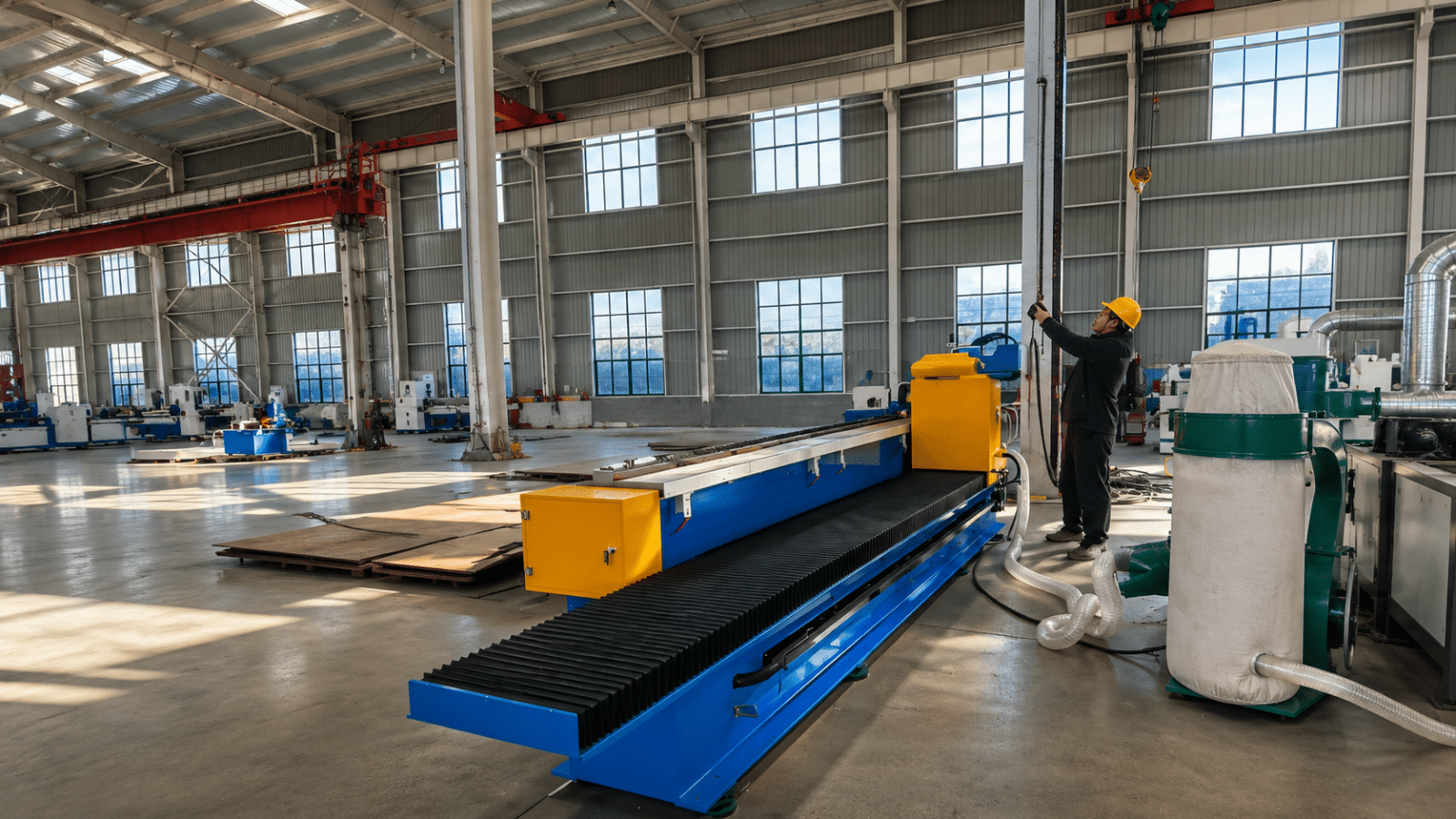
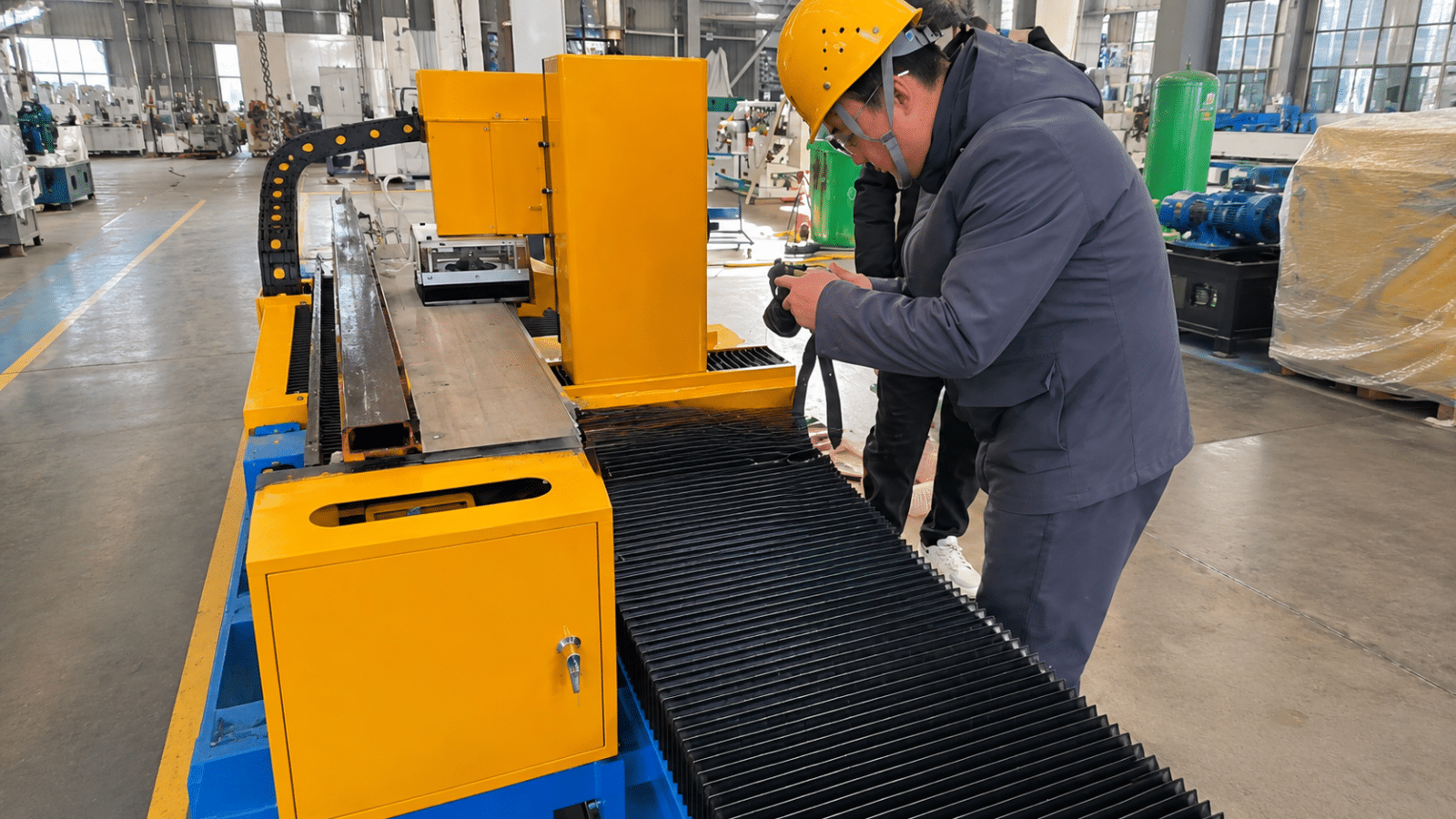
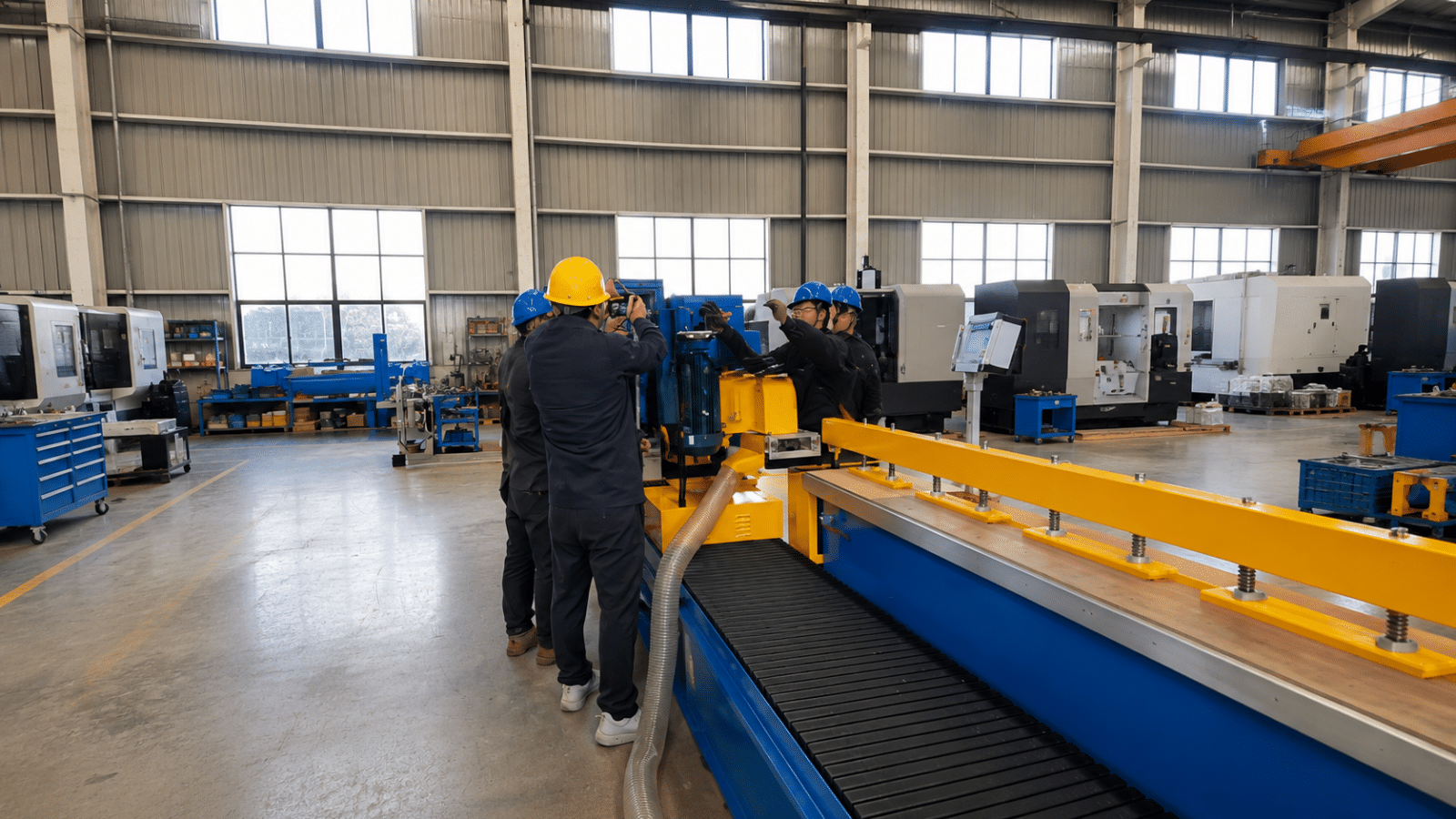
Pressboard Beveling Machine for Transformers
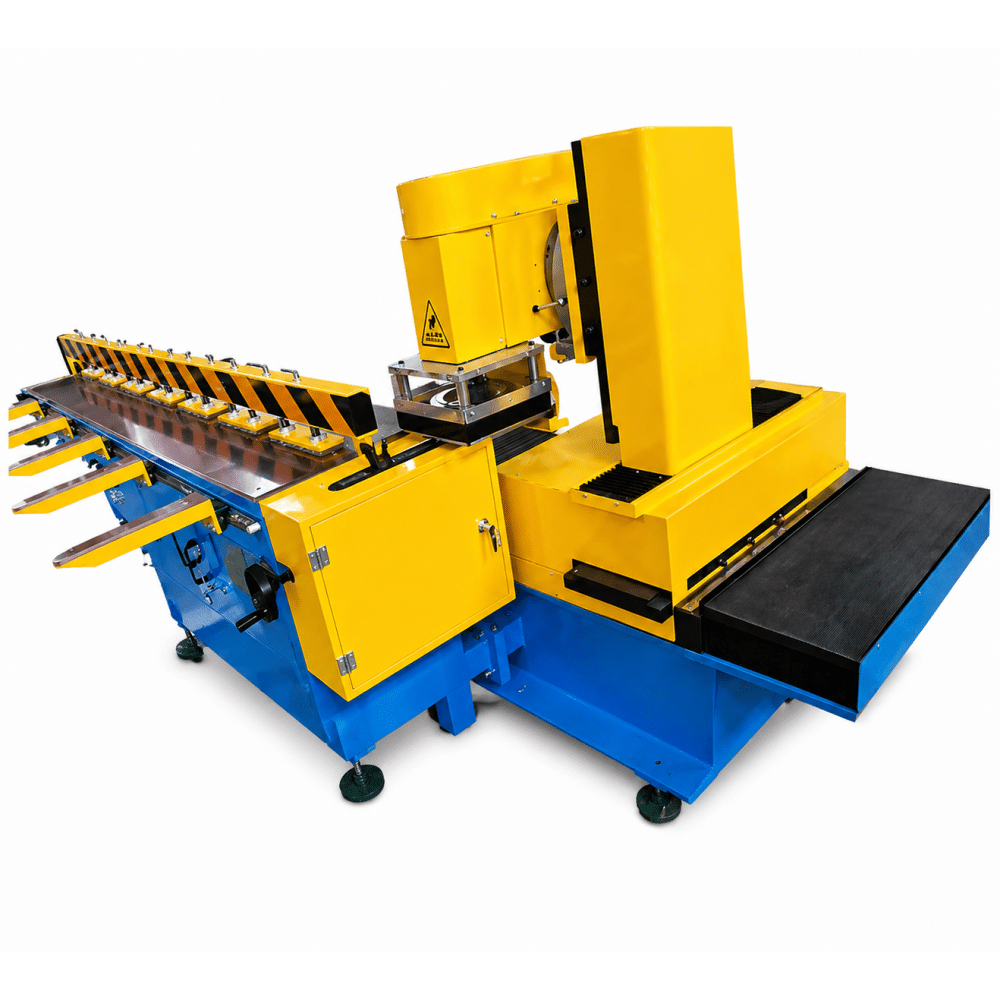
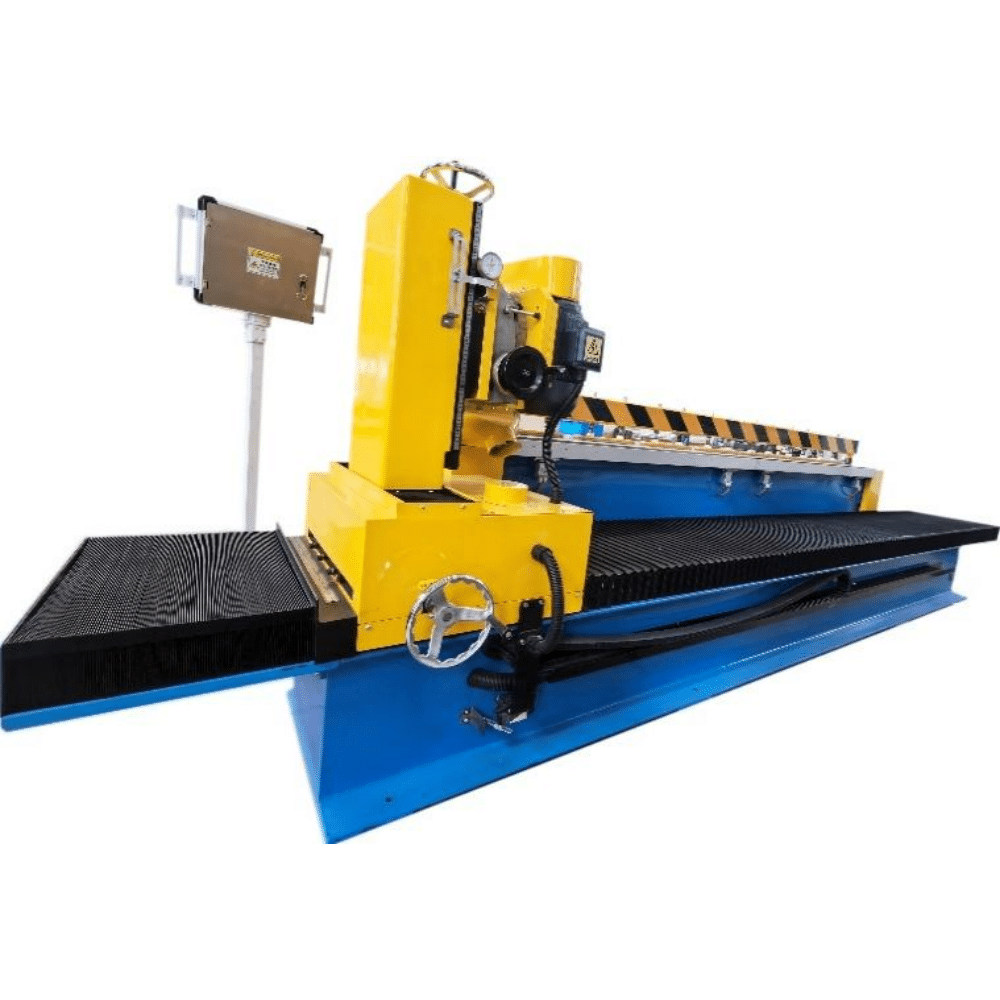
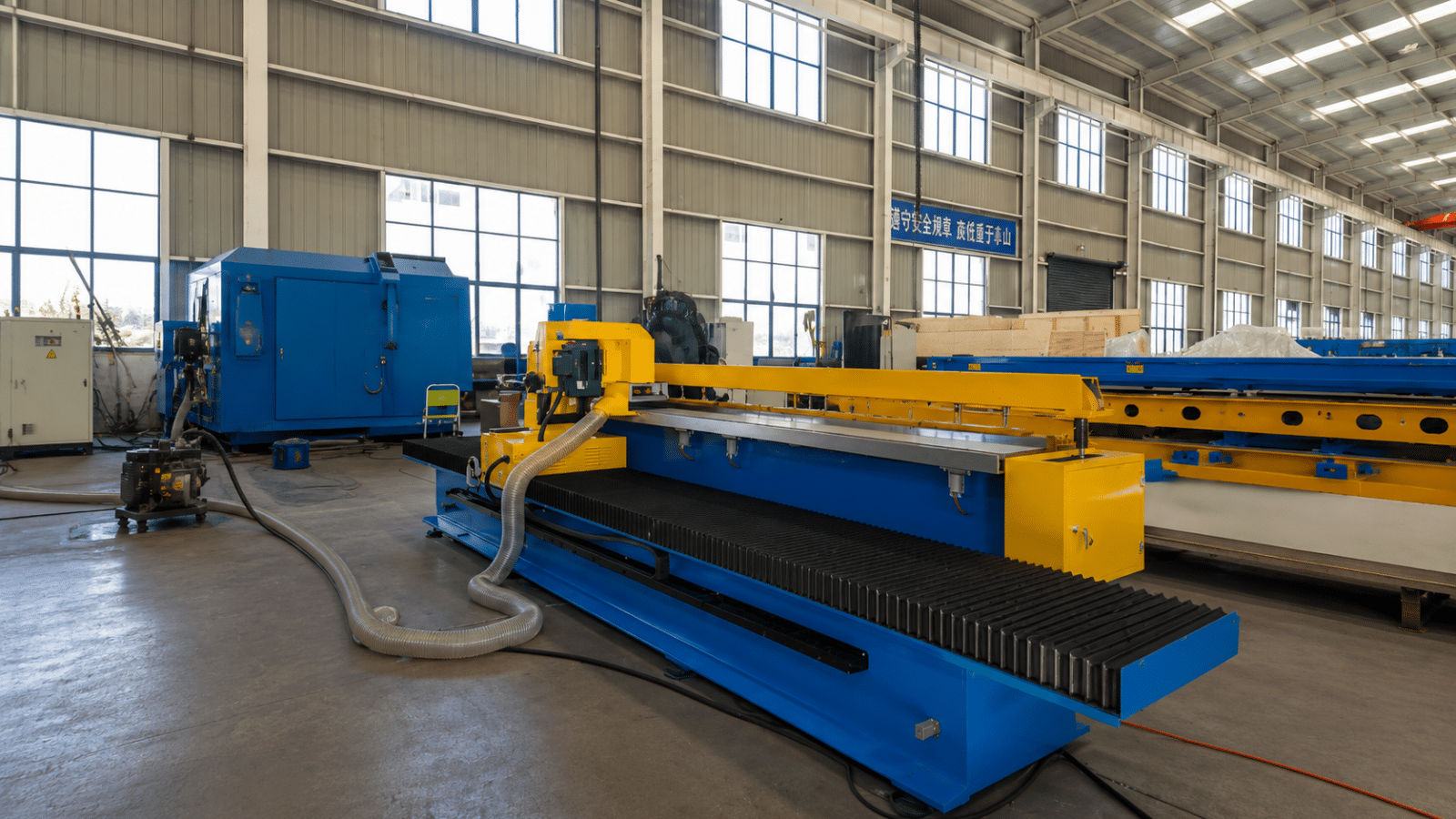
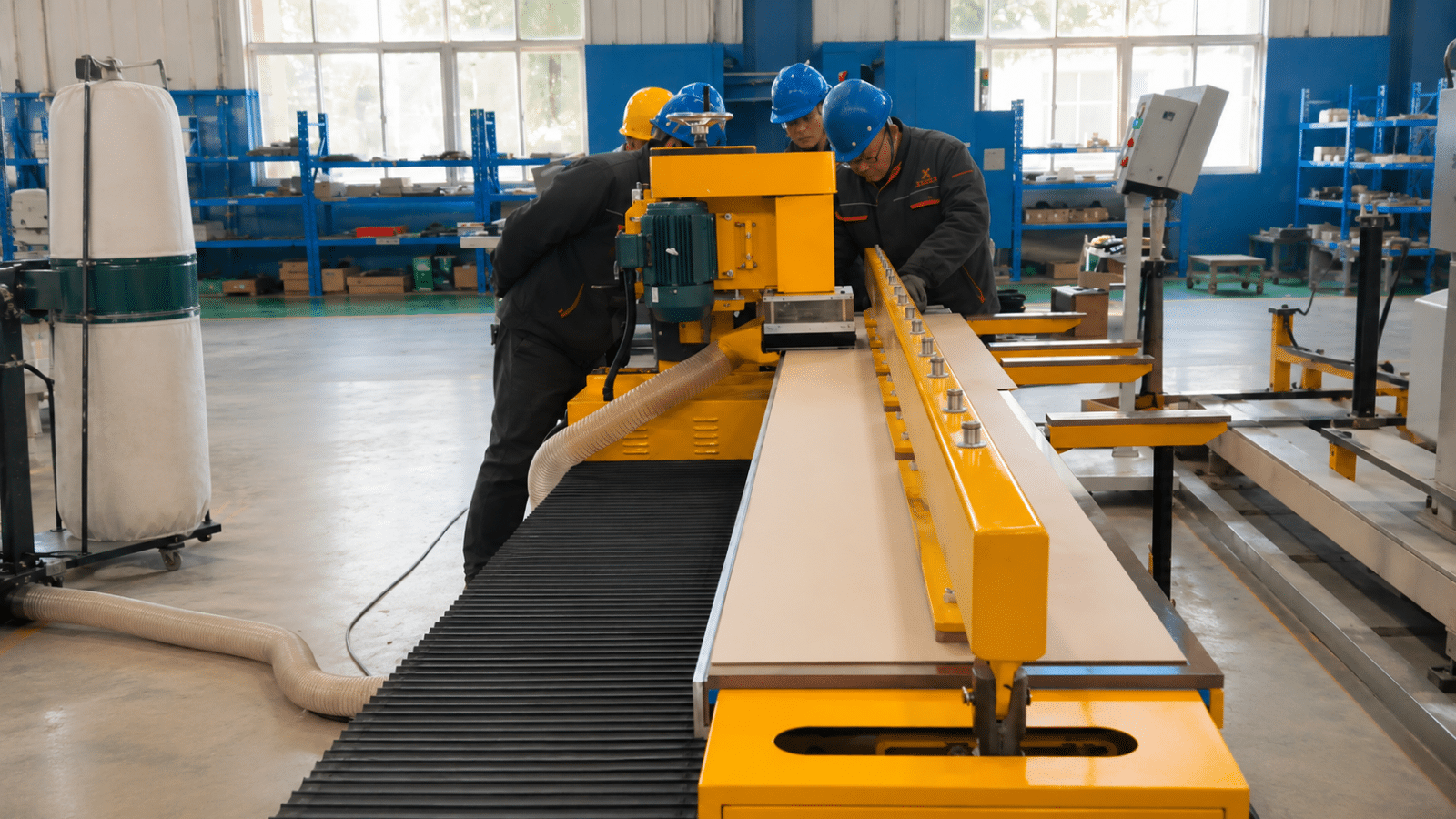
The TRANFOVIA Transformer Insulation Pressboard Beveling Machine is designed to mill a controlled slope along the edge of insulation pressboard. The bevel prepares the board for an oblique overlap connection while helping the joined area maintain a consistent combined thickness.
For a typical process, the bevel length is set at approximately 15 to 20 times the pressboard thickness. The cutter angle and height can be adjusted to match the approved drawing and material thickness, allowing the same machine to serve different pressboard joint requirements within its 2-8 mm working range.
Applications
- Beveling transformer insulation pressboardbefore overlap joining and bonding.
- Preparing pressboard edgesbefore cylinder rolling and cohesion processes.
- Producing repeatable slope jointsfor transformer insulation components made from 2-8 mm
- Replacing hand-guided bevelingwhere repeatability, feed control and surface protection are required.
Main Features
- Adjustable bevel geometry. The milling cutter angle and height can be adjusted to match different pressboard thicknesses and required slope dimensions.
- Pneumatic clamping with surface protection. The pressure beam secures the workpiece, while an elastic pad helps prevent marking or damaging the pressboard during machining.
- High-precision linear guide system. Linear guides support stable, straight feed movement and consistent edge machining along the pressboard length.
- Stepless feed-speed adjustment. The feed speed can be set from 1.5 to 6 m/min, allowing the operator to balance surface quality and production throughput for different board conditions.
- CNC control with Siemens HMI. The CNC system and Siemens human-machine interface provide centralized parameter setting and straightforward operation.
- Dedicated 2-8 mm pressboard range. The machine is focused on transformer insulation pressboard rather than broad, general-purpose panel machining.
Technical Parameters
| Parameter |
Specification |
| Processing material |
Transformer insulation pressboard |
| Pressboard thickness |
2-8 mm |
| Recommended slope length |
15-20 × pressboard thickness |
| Feed speed |
1.5-6 m/min, stepless adjustment |
| Cutter adjustment |
Angle and height adjustable |
| Workpiece clamping |
Pneumatic pressure beam |
| Surface protection |
Elastic pad beneath pressure beam |
| Guide system |
High-precision linear rails |
| Feed drive |
Imported-brand motor |
| Control system |
CNC control with Siemens HMI |
Where the Beveling Machine Fits in Pressboard Cylinder Production
| Process Stage |
1. Bevel Edge Preparation |
2. Arc and Cylinder Forming |
3. Heating and Joint Bonding |
| Equipment |
Transformer Insulation Pressboard Beveling Machine |
Pressboard Cylinder Rolling Machine |
Pressboard Cylinder Cohesion Machine |
| Main Function |
Mills the pressboard edge into the required bevel for lap joining. |
Rolls flat insulation pressboard into an arc or cylindrical shape. |
Applies heat and pressure to bond the prepared pressboard cylinder joint. |
How to Choose a Transformer Insulation Pressboard Beveling Machine
Selection should begin with the pressboard thickness range, maximum sheet dimensions, required bevel length and angle, target feed speed and joint-quality standard. Buyers should also confirm the required clamping length, dust-extraction interface, electrical supply and how the machine will connect with the rolling and bonding stages.
FAQ
- What is the machine used for?
It mills a controlled slope along transformer insulation pressboard so the board can form an oblique overlap connection with more consistent joint thickness.
- What pressboard thickness can it process?
The stated processing range is 2-8 mm.
- How is the bevel length determined?
The recommended slope length is approximately 15 to 20 times the pressboard thickness, subject to the approved component drawing and process specification.
- Can the cutter position be adjusted?
Yes. The milling cutter angle and height can be adjusted to match different bevel requirements.
- How is the pressboard protected during clamping?
The workpiece is pneumatically pressed, and an elastic pad under the pressure beam helps protect the pressboard surface.
- What is the feed-speed range?
The feed speed is continuously adjustable from 1.5 to 6 m/min.
- Does this machine roll or bond the pressboard cylinder?
No. It prepares the bevel edge. Cylinder rolling and heated pressure bonding are separate downstream processes.