| Equipment | HB Series Curing Oven for Transformers |
| Customer | An instrument transformer and dry-type transformer manufacturer in Tashkent, Uzbekistan |
| Application | Coil preheating, pre-drying and epoxy resin curing for dry-type transformer and instrument transformer coils |
Customer information has been anonymized; only region and industry attributes are retained. Performance figures are acceptance and typical-condition reference values and may vary depending on configuration.
1. Customer Background
This customer, based in Tashkent, Uzbekistan, builds epoxy-cast dry-type transformers and medium-voltage instrument transformers for grid refurbishment, renewable-energy connection and industrial distribution projects. As the Central Asian grid is upgraded and more of the equipment is manufactured locally, the customer’s order book moved from a few repeating models to many models in smaller batches, and two older electrically heated chambers could no longer keep up at the curing stage. Coil preheating, pre-drying and post-casting epoxy curing were queued through the same chamber, and the temperature curve was held by an operator watching a dial. After comparing several suppliers, the customer selected our HB series curing oven.
2. Industry Pain Points
The insulation performance of an epoxy-cast dry-type transformer or instrument transformer depends heavily on how well the casting cures. When the curve drifts, the result ranges from under-cured epoxy with a tacky surface to internal voids and stress concentration that push partial discharge upward. The customer’s five problems are typical for the region:
- The curve would not hold. Heating was switched by hand and the ramp rate and soak plateau depended on experience, so two runs of the same curve produced two different results.
- Uneven chamber temperature. The old chamber circulated hot air at the top only; workpieces near the door and in the corners ran visibly cooler, and coils in different positions of the same load cured to different degrees.
- Nobody watching on the night shift. A curing cycle runs across shifts or overnight, so over-temperature risk was left to a manual round.
- No process record. When a customer audit or a downstream buyer asked for the curing curve, there was no continuous record — only a handwritten logbook.
- Chaotic scheduling across chambers. Temperature programs for different products were scattered across individual chambers, and every model change meant starting over.
3. Solution
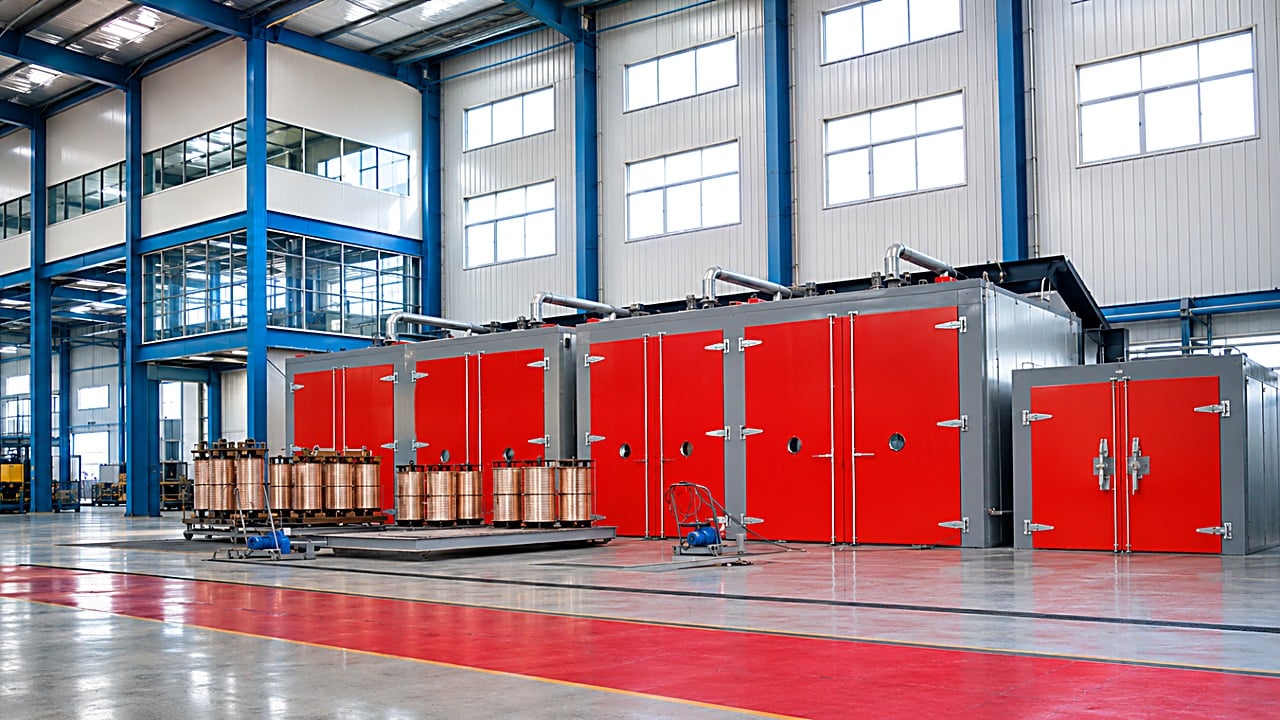
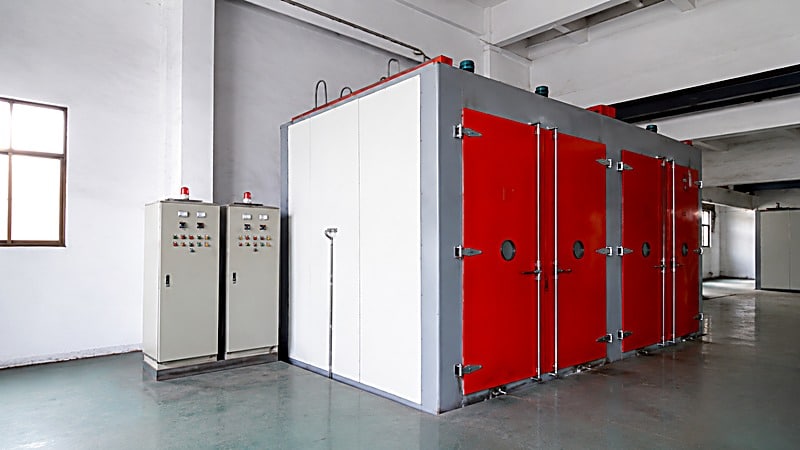
We supplied an HB series curing oven configured around the way coils and instrument transformers are actually loaded:
- Programmable PID control with self-tuning. The controller runs the ramp, soak and cool-down defined by the process curve; PID parameters self-tune, and solid-state relay power regulation gives contactless continuous adjustment, so heating no longer has to be switched by hand.
- Hot-air circulation matched to the loading pattern. Depending on how workpieces are placed, the oven can use top heating with vertical air supply, bottom heating with horizontal air supply, or side heating with vertical air supply to even out chamber temperature distribution.
- Independent over-temperature protection. If temperature goes abnormal, the over-temperature alarm cuts the heating power and gives an audio-visual warning without depending on the main control loop.
- Optional process recording. A paper-based or paperless recorder logs the whole curing curve continuously for traceability and process analysis.
- Bottom tracks and trolleys. Tracks are laid at the bottom of the furnace, with manual, rack-driven or traction-trolley movement selected according to workpiece weight, so a coil load moves in and out on its trolley.
- Low-voltage lighting and observation windows. Low-voltage lighting inside the chamber and windows in the doors let operators check curing status without opening the oven.
- Local control or DCS integration. Multiple ovens can be tied into the customer’s DCS, centralizing temperature-program settings and historical curve records.
- Low-conductivity thermal insulation. Low thermal conductivity insulation reduces heat loss across repeated curing cycles.
4. Implementation and Commissioning
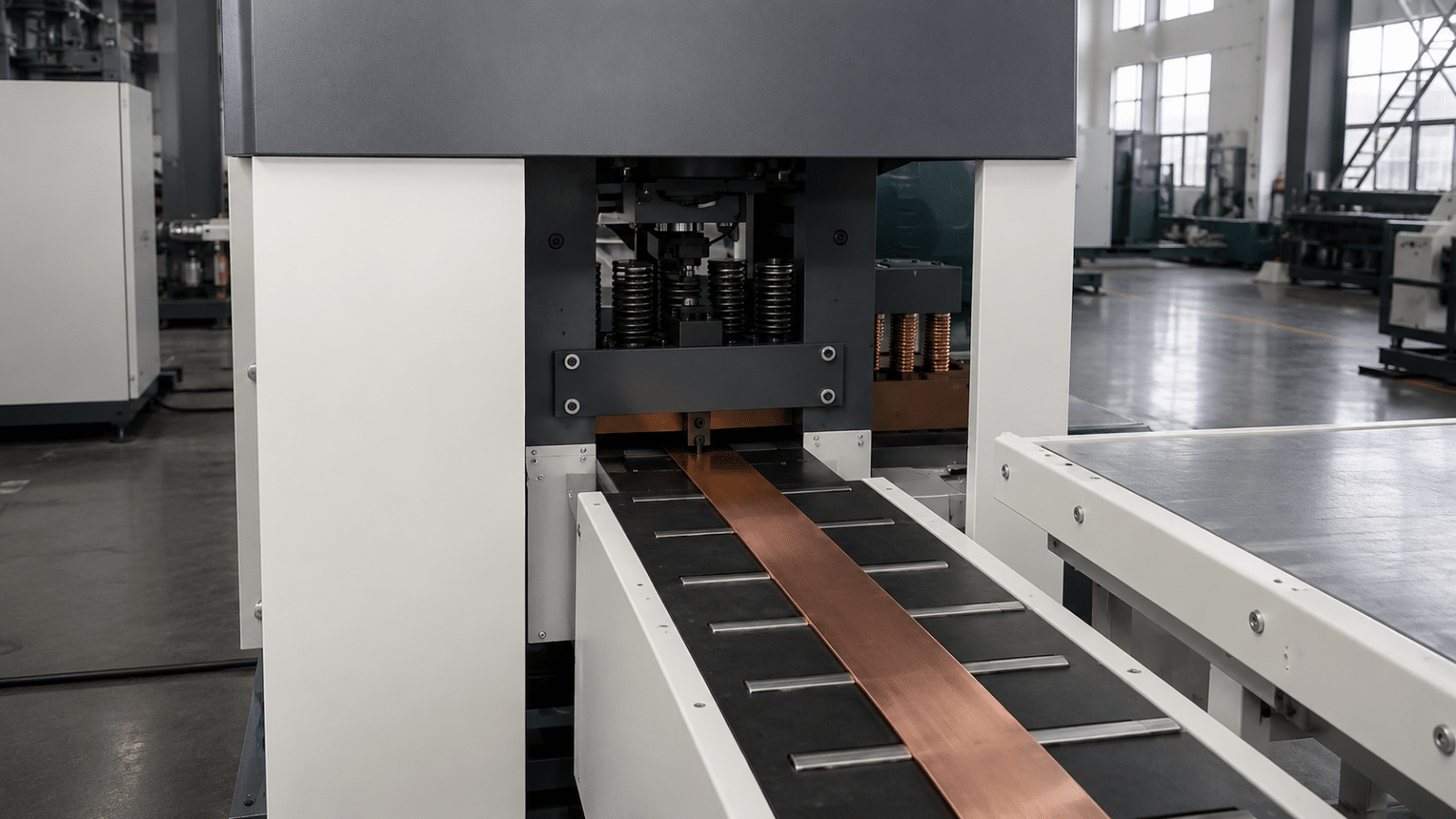
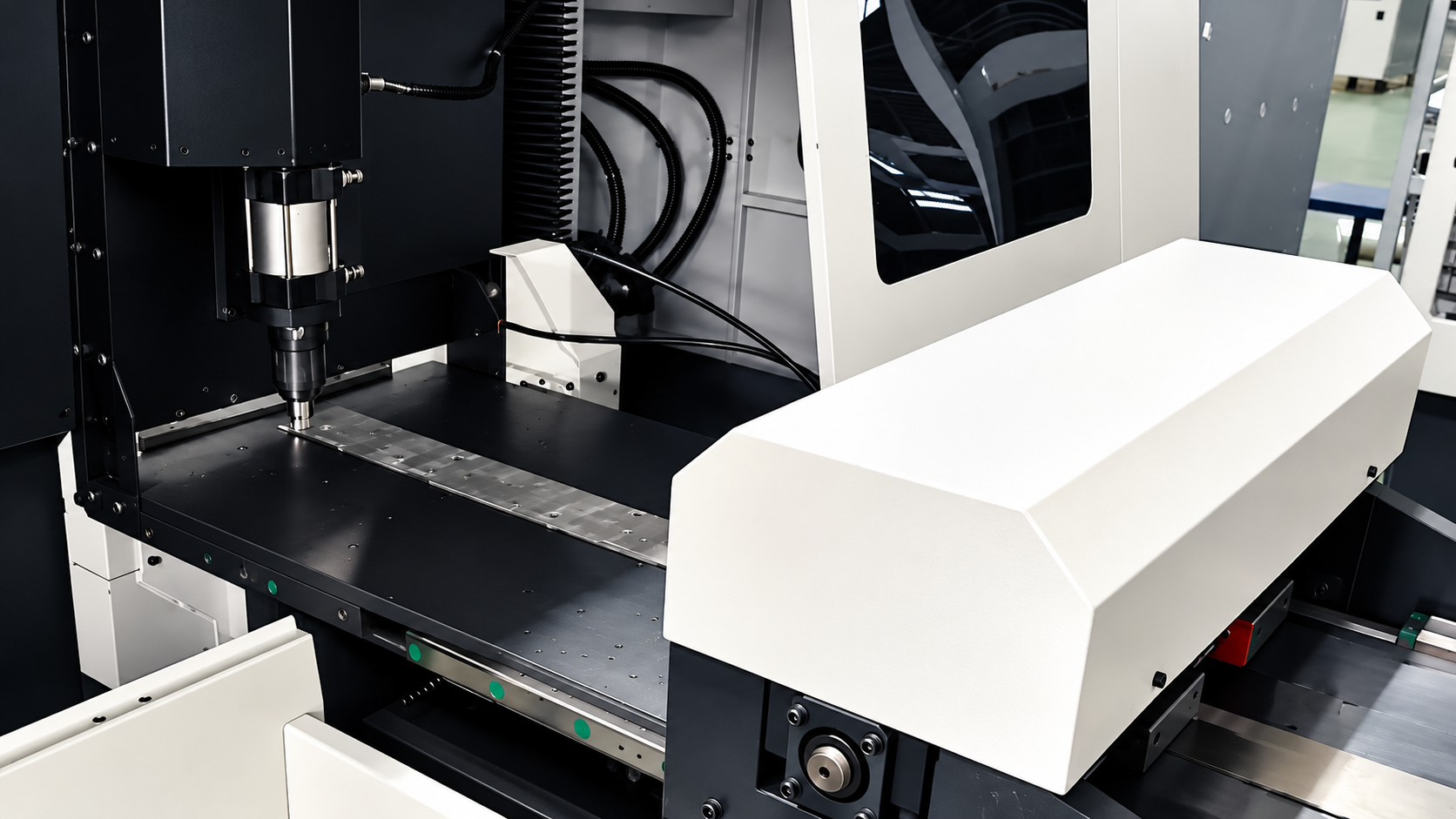
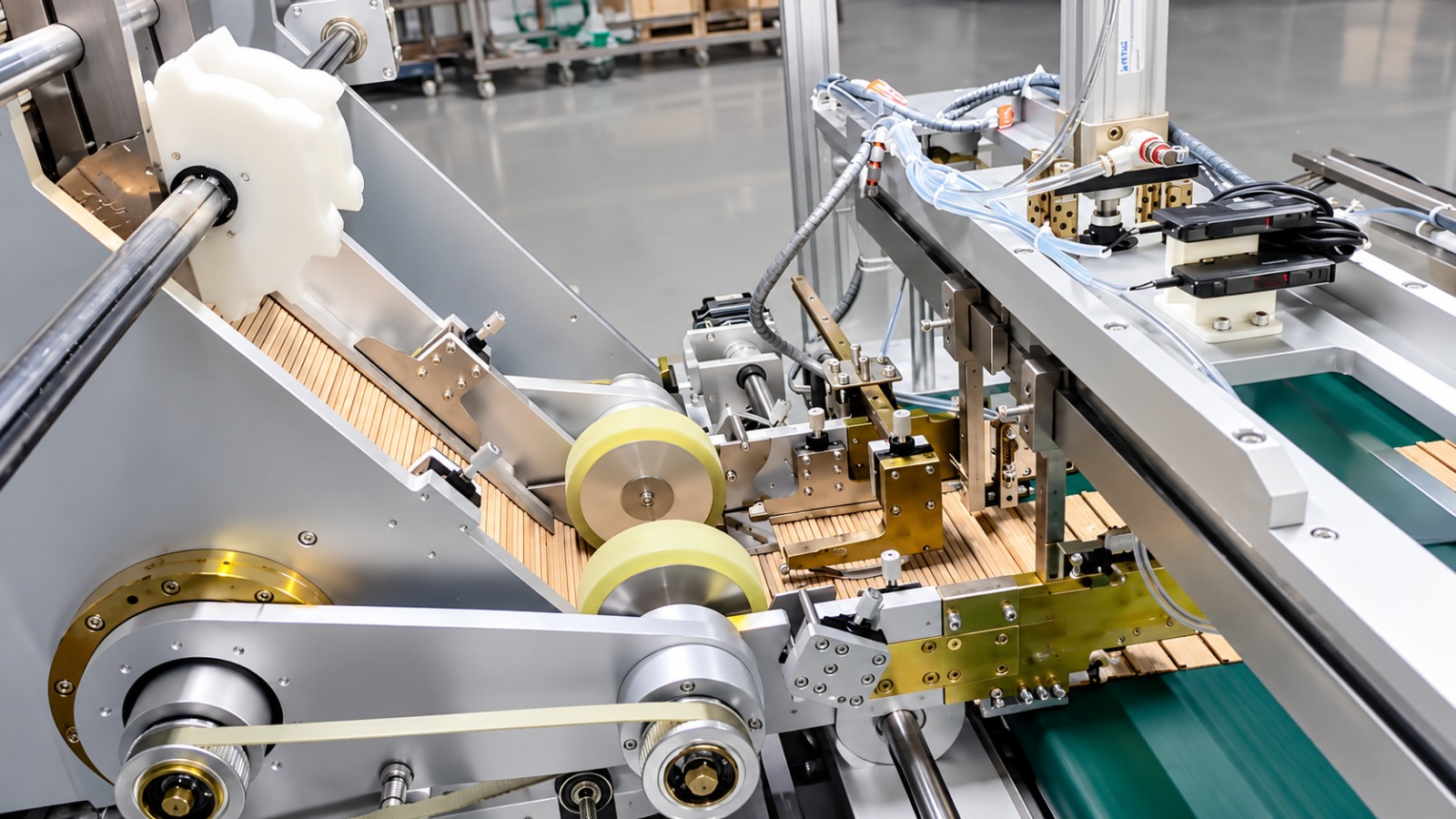
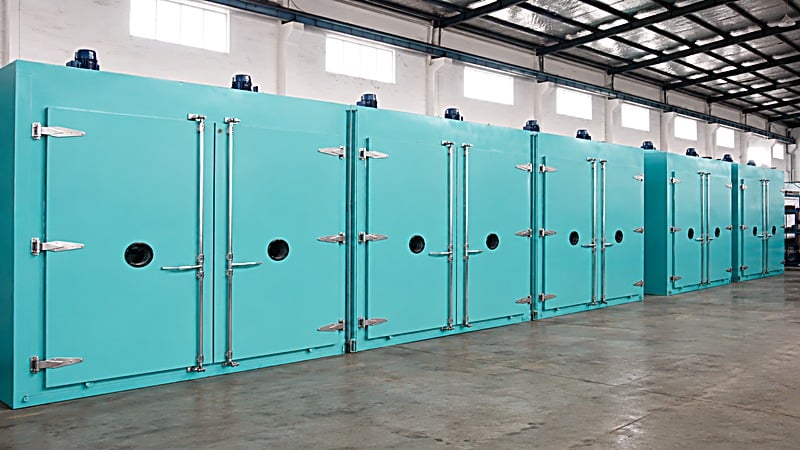
After the oven arrived, TRANFOVIA engineers worked with the customer’s equipment and process teams through three steps. First, site and power checks: we confirmed chamber dimensions and door swing, aligned the tracks with the workshop floor level, wired to AC 380V ±10% and 50 Hz, then ran a no-load heat-up together with the safety interlock test to verify that the over-temperature alarm really does cut the heating power and raise the audio-visual warning. Second, temperature mapping: with the chamber empty, we placed measurement points on a grid and logged the distribution from room temperature up to 200°C, then adjusted the circulation layout according to what the mapping showed. Third, loaded trials: the customer’s own coils and instrument transformers were cured through a full cycle, the recorder output was checked segment by segment against the set curve, and the ramp rate, soak plateau and cool-down section were confirmed before training the operators with English operation and maintenance manuals. The photographs here were taken during that commissioning.
5. Acceptance Results
The oven was verified item by item against the technical agreement. Key parameters (design and acceptance reference values; actual figures depend on the configured oven):
| Parameter | Value / Result |
| Chamber size | 2000 × 3000 × 2000 mm |
| Working temperature | Room temperature to 200 °C |
| Temperature uniformity | ≤ ±2.5 °C |
| Temperature fluctuation | ≤ ±1 °C |
| Supply | AC 380V ±10%, 50 Hz |
| Heating power | 27–92 kW (HB-1 to HB-6) |
| Control method | Programmable PID with self-tuning and solid-state relay contactless adjustment |
| Process recording | Paper-based or paperless recorder (optional) |
| Over-temperature protection | Independent alarm, cuts heating with audio-visual warning |
| Loading method | Bottom tracks with manual / rack-driven / traction-trolley transfer |
The visible change is that curing went from “watching a dial” to “running a program”: the curve repeats, the record can be retrieved, and nobody has to sit with the oven on the night shift.
6. Customer Feedback
“Curing used to depend on an experienced hand watching the dial, and no two cycles came out the same. Now we set the program and it runs to the end, the recorder gives us a continuous curve, and when a customer audits us we can simply print it.” — Customer epoxy casting workshop supervisor (at acceptance)
7. Summary and Next Steps
For dry-type transformer and instrument transformer manufacturers, the value of a curing oven is not that it heats, but whether the temperature repeats day after day and whether the record survives. The HB series hands ramp, soak and cool-down to a programmable PID routine, safety to independent over-temperature protection and the process to a recorder — with chamber uniformity of ≤±2.5°C and fluctuation of ≤±1°C, coils and instrument transformers see the same curing conditions wherever they sit in the load.
Next, the customer plans to grow the single oven into a multi-oven line, manage temperature programs and historical curves centrally through DCS, and bring coil preheating and pre-drying scheduling into the same system. To configure a curing oven around your workpiece dimensions, loading method and curing curve, contact the TRANFOVIA technical team for selection advice and a quotation.
- WhatsApp: +86-15958243831
- Email: sales@tranfovia.com
- Website: https://tranfovia.com/