| Equipment | Transformer Radiator Production Line |
| Customer | A large transformer manufacturer in East China |
| Application | Self-manufacture of panel radiators for the plant’s own transformers, covering the 520/480 main fin widths |
Customer information has been anonymized; only region and industry attributes are retained. Performance figures are acceptance and typical-condition reference values and may vary depending on line configuration.
1. Customer Background
Unlike the previous cases, this customer is not a specialist radiator maker but a large transformer manufacturer in East China — the radiator workshop sits inside its own plant and feeds the company’s transformer assembly line. The plant builds distribution and power transformers for Chinese utilities and industrial users, where tender schedules leave little room for component delays. Radiators used to be purchased externally, mainly in 520 mm and 480 mm widths. The outsourced model showed its strain every peak season: delivery hostage to supplier scheduling, batch-to-batch quality swings, and slow, costly communication on design changes. In-house radiators also shorten the loop for prototype transformers, where cooling design often changes late. After weighing the numbers, management decided to build in-house radiator capacity and purchased this automatic line.
2. Industry Pain Points
The old model — external supply plus small-scale self-making — put the friction exactly where the component meets the main product:
Delivery beyond control. Radiators must follow the transformer assembly plan; whenever supplier scheduling tightened, the whole-unit delivery date slipped with the component.
Batch quality swings. Radiators from different suppliers and lots varied in dimensions and welds, keeping incoming inspection and leak testing busy.
Slow response to design changes. A special project’s radiator change meant weeks of communication, sampling and tooling revisions with the supplier.
Invisible cost. Purchase prices moved with the market, and the radiator share of unit cost grew harder to account for.
Each of these costs was known; what changed was the decision to stop absorbing them.
3. Solution
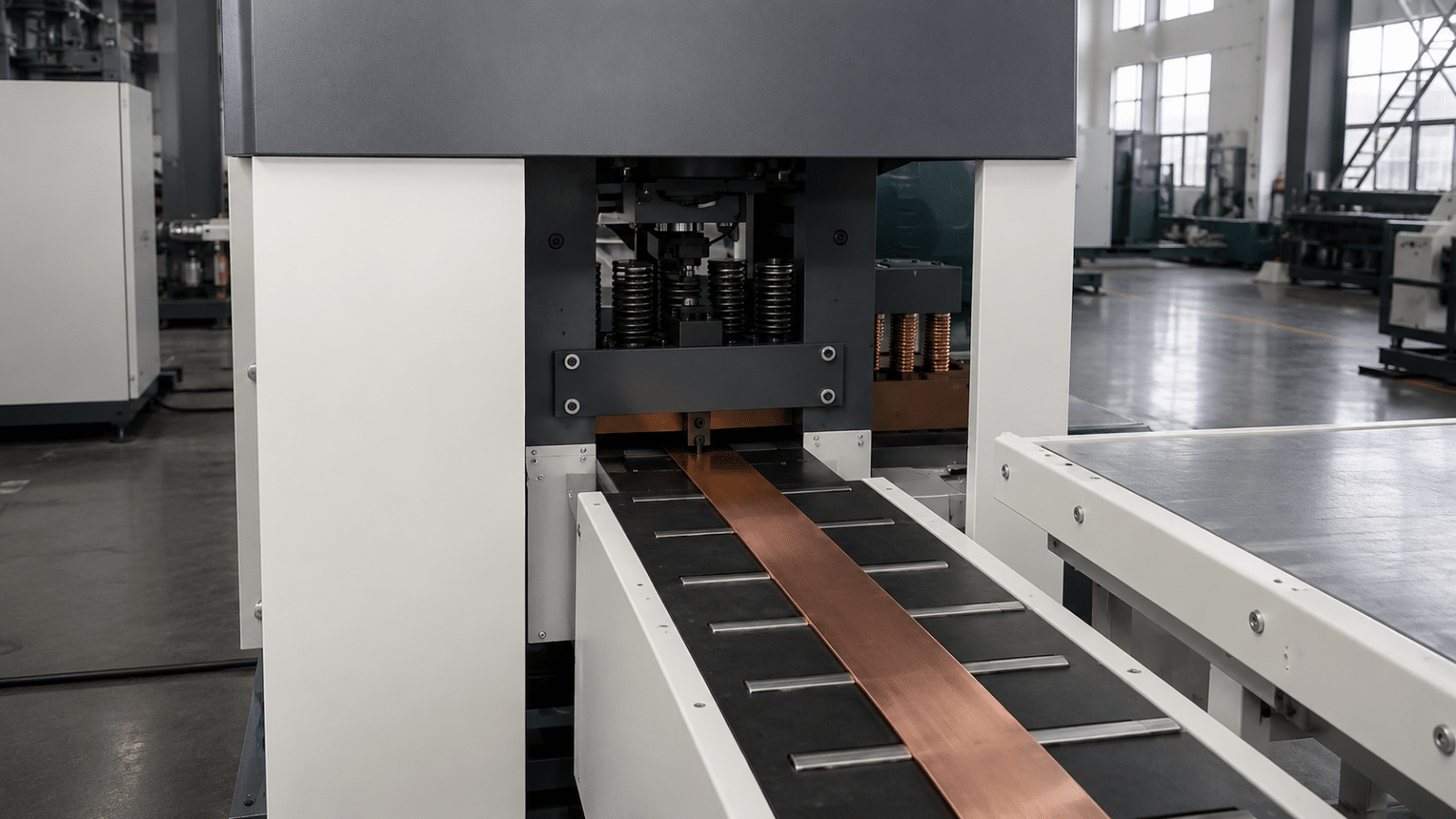
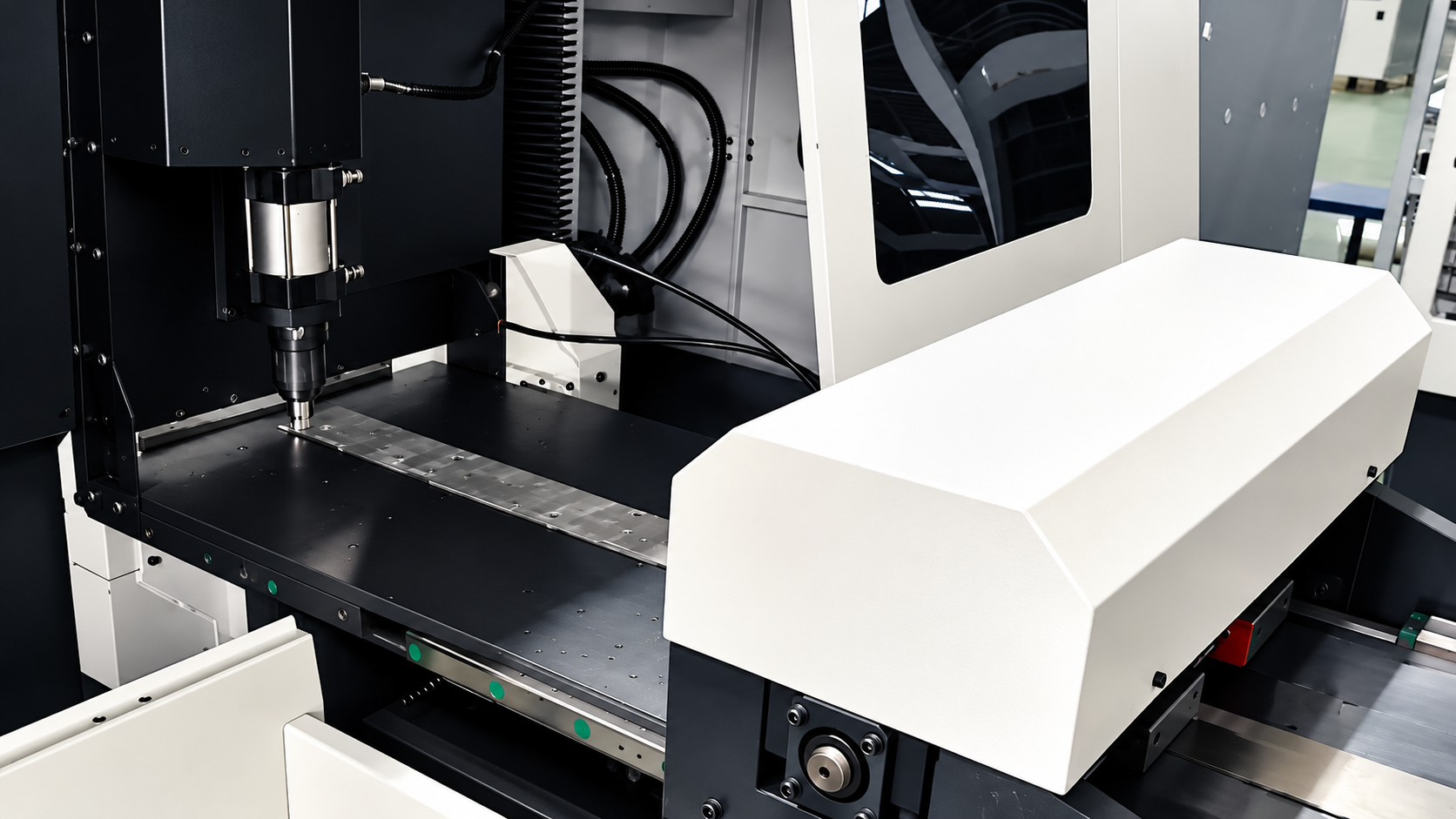
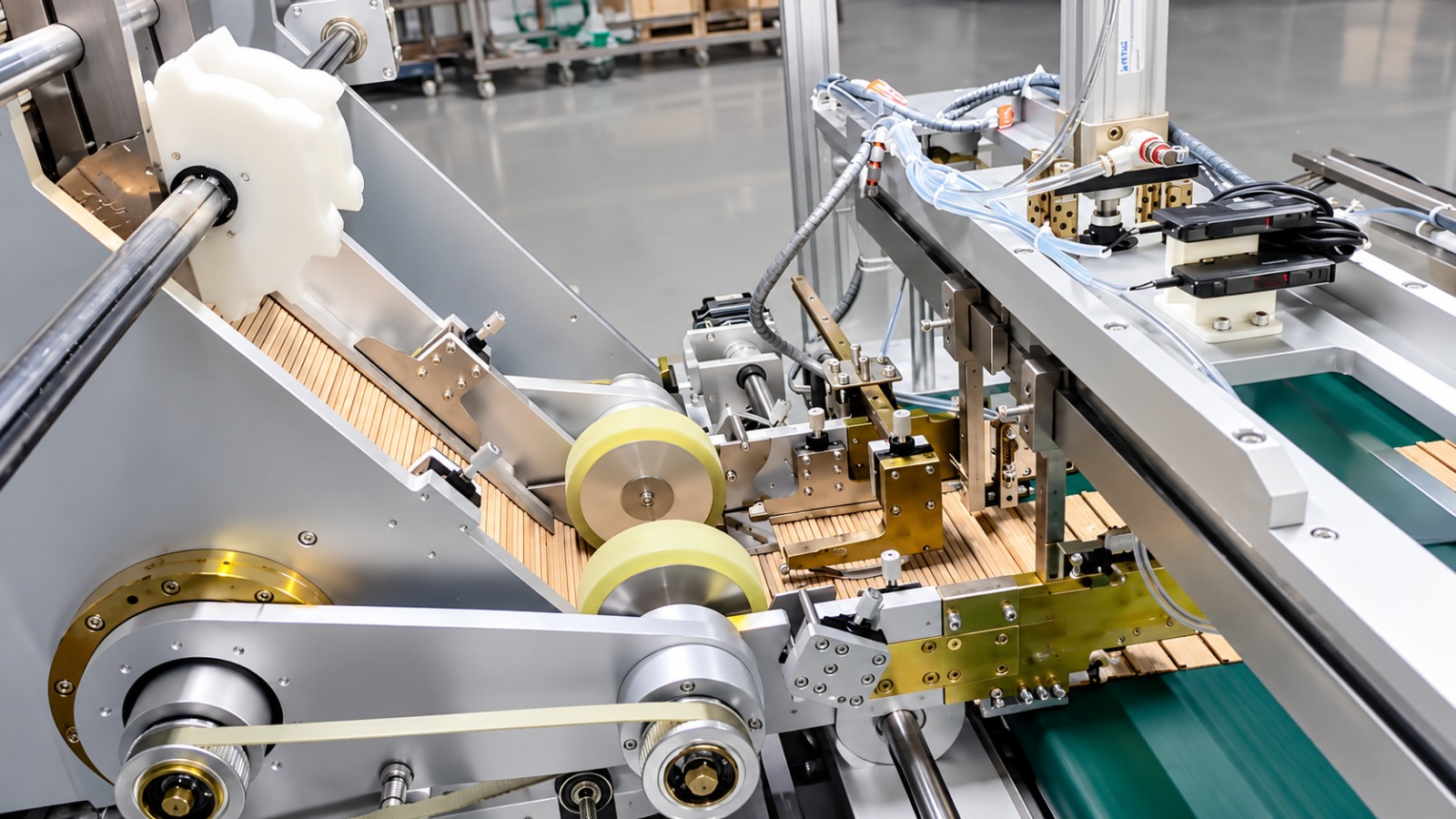
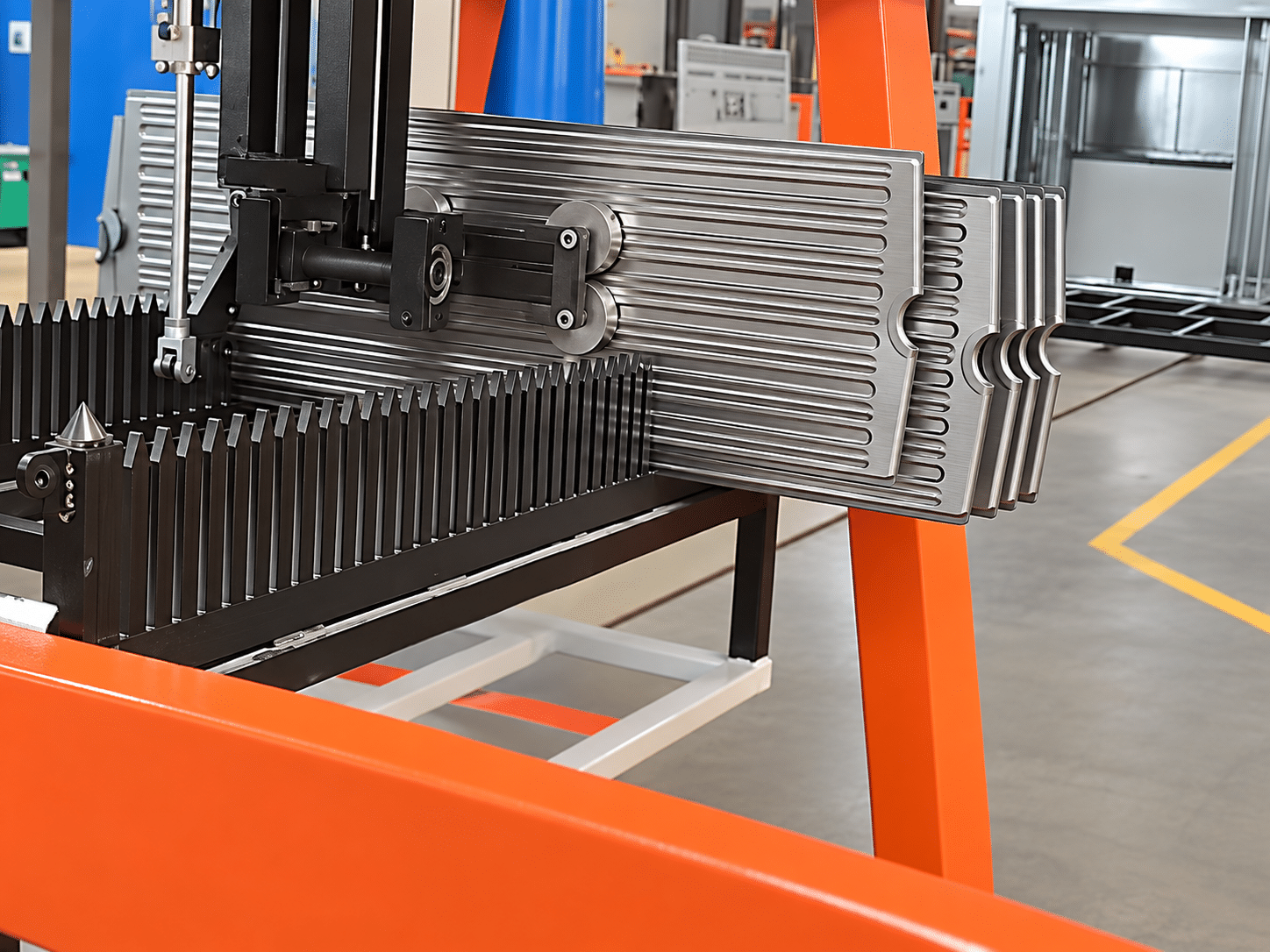
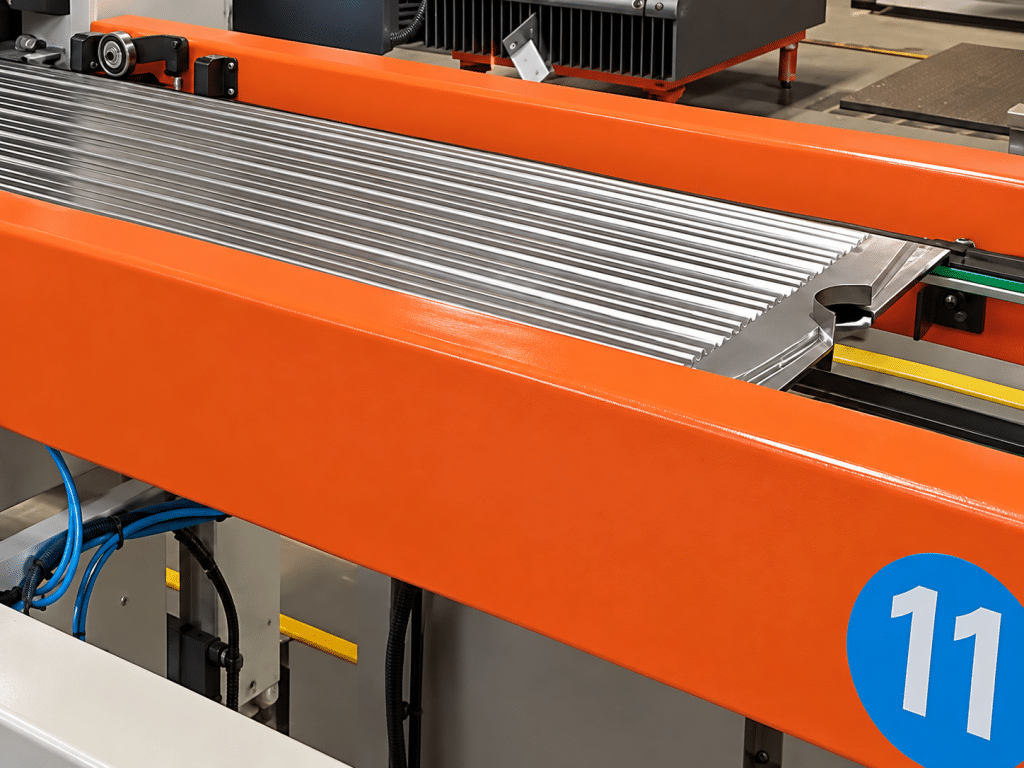
An in-house workshop is not “one more workshop” — the goal is to make radiators a controlled process like cores and windings. The line we configured covers coil to stack: hydraulic expanding-mandrel decoiler → roll forming unit → pairing machine → gantry multi-spot welder → variable-frequency bilateral seam welders → edge rolling shear → hydraulic end-cutting press → end welding → automatic leveling machine → gantry stacking machine. Key points:
- Both main widths on one line. 520 and 480 mm switch by roll and die change (520/535 share one roll pair); enter the spec on the touch screen and the line runs — design changes no longer wait on an external schedule.
- Quality aligned with the transformer standard. Center distance within ±0.25–0.5 mm, diagonal error within 2 mm; single panels withstand 0.15–0.2 MPa positive and 133 KPa negative pressure; assemblies hold 0.2 MPa for 30 minutes — leak testing happens in-plant, and radiators enter final assembly with their own test records.
- Linked to the assembly plan. One to two operators and a tempo of 60–75 panels/hour (at 2,000 mm center distance) let radiator scheduling track transformer production volume directly.
The line also closes the loop on documentation: every acceptance parameter — from roll settings to weld currents — is recorded at commissioning, and daily production follows the same recipes, so the radiator workshop speaks the same quality language as the winding and core shops beside it. An optional leak-test pool at the end of the line gives each assembly its pressure record before it leaves the station.
4. Implementation and Commissioning
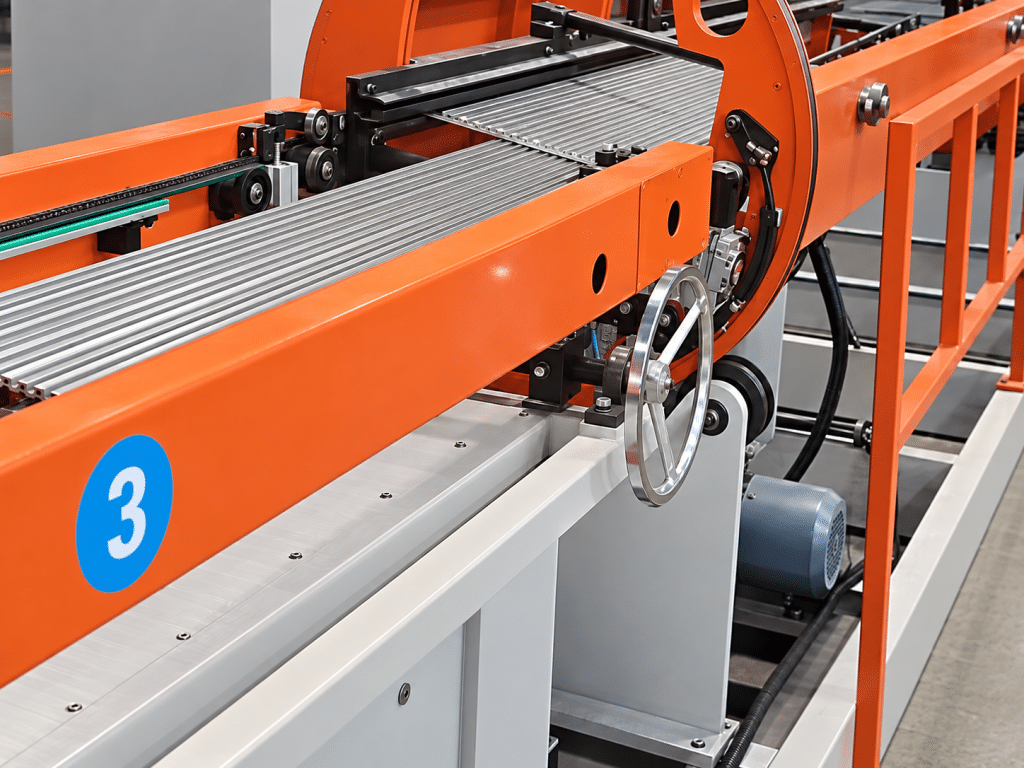
The line was installed in the customer’s in-house radiator workshop: verify foundations, power supply (about 315 KVA) and cooling water, run each machine empty; thread the 520 mm width through for commissioning and station-by-station tuning, then switch to 480 mm to prove the changeover; accept with test cuts and welds per the technical agreement, with the customer’s equipment and process teams attending training together and English operation and maintenance manuals delivered. Because the workshop sits inside the transformer plant, the commissioning team also mapped material flow from the steel coil warehouse to the radiator staging area beside final assembly, removing two intermediate storage steps from the original layout plan. Because the customer already runs a complete transformer quality system, we formatted the acceptance records and checklists to match — the radiator process was absorbed into the product quality chain without friction.
5. Acceptance Results
Key acceptance indicators (design and acceptance reference values; actual figures depend on the configured line):
| Indicator | Value / Result |
| Center distance error | ±0.25 to ±0.5 mm (by specification) |
| Diagonal error | ≤ 2 mm |
| Single-panel pressure test | Positive ≥ 0.15–0.2 MPa, negative ≥ 133 KPa, no distortion |
| Assembly tightness | 0.2 MPa held for 30 minutes |
| Production rate | 60–75 panels/hour (at 2,000 mm center distance) |
| Operators for the whole line | 1–2 people |
With the line running, radiators stopped being a purchased part and became a controlled in-house process: delivery follows final assembly, quality records follow the transformer file, and a special specification now takes one roll-and-die change plus a trial cut instead of weeks. Prototype units for special projects can likewise be formed and welded in days rather than weeks.
6. Customer Feedback
“The biggest benefit of making our own radiators is that final assembly never waits anymore. When a spec changes we swap rolls and run a trial ourselves, and the leak-test records go straight into the transformer file — quality traceability in one line.” — Customer Equipment Department Manager
7. Summary and Next Steps
For a transformer maker, the value of self-made radiators is not the purchase-price margin — it is bringing delivery, quality traceability and design responsiveness back in-house. This line turns radiators into a controlled process on par with cores and windings, a practical path for vertical integration of key components. The plant’s plan goes further: with radiator capacity in hand, it can quote projects that need unusual cooling configurations without first checking with an outside supplier.
To evaluate an in-house radiator workshop, contact the TRANFOVIA technical team for a proposal.
Related guide: For the complete machine-by-machine breakdown of the line, see our transformer radiator production line guide.
- WhatsApp: +86-15958243831
- Email: sales@tranfovia.com
- Website: https://tranfovia.com/