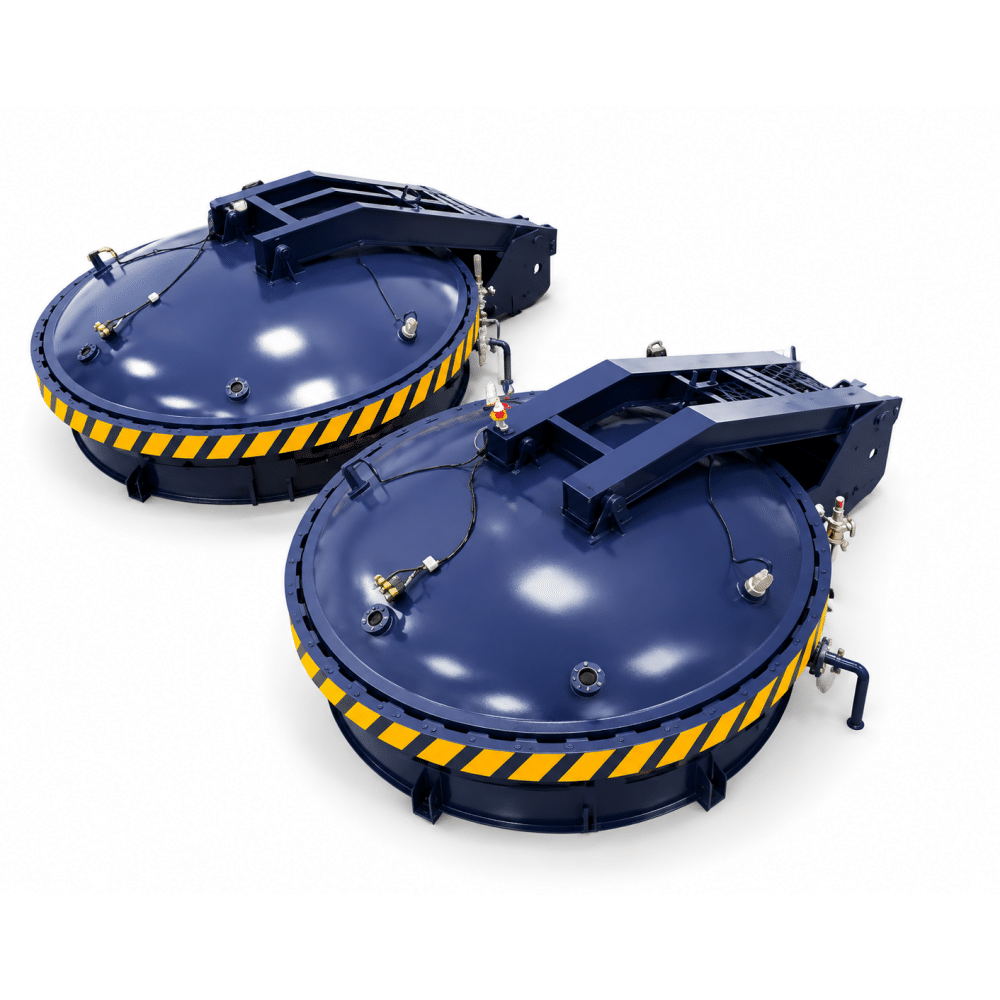
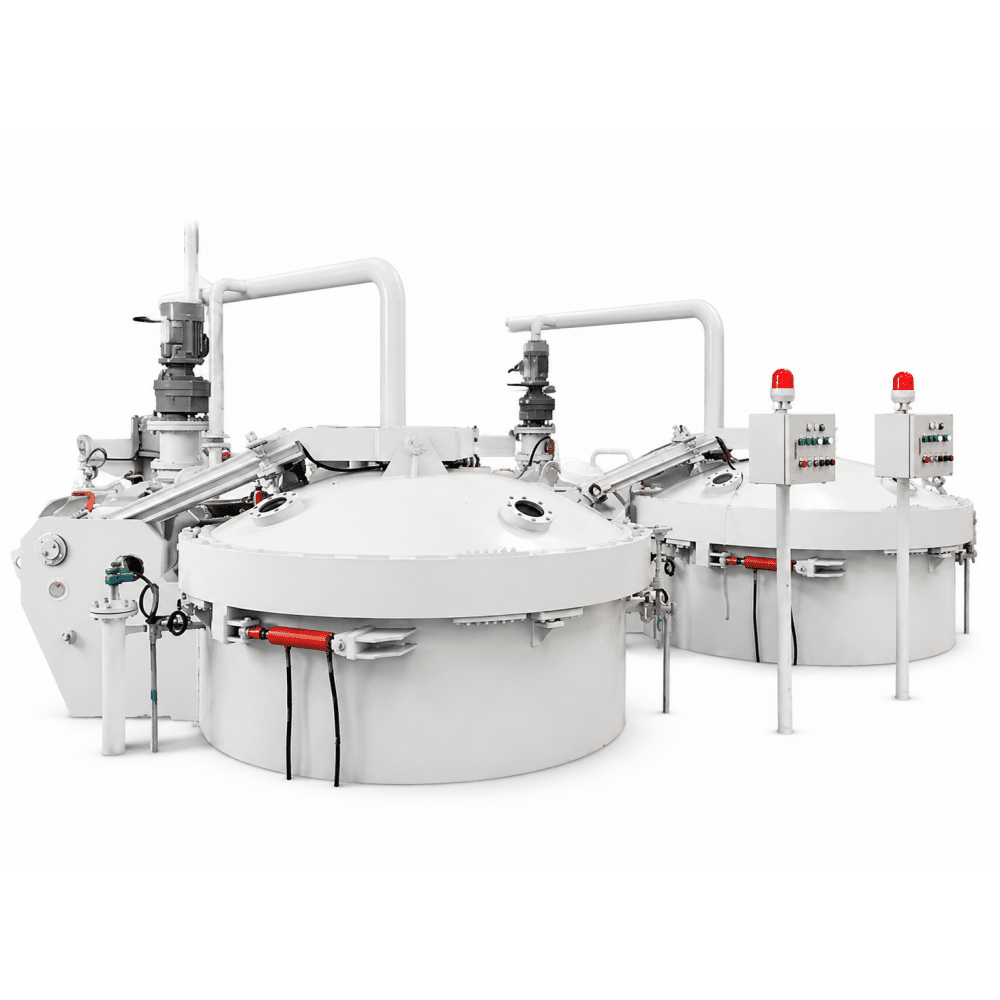
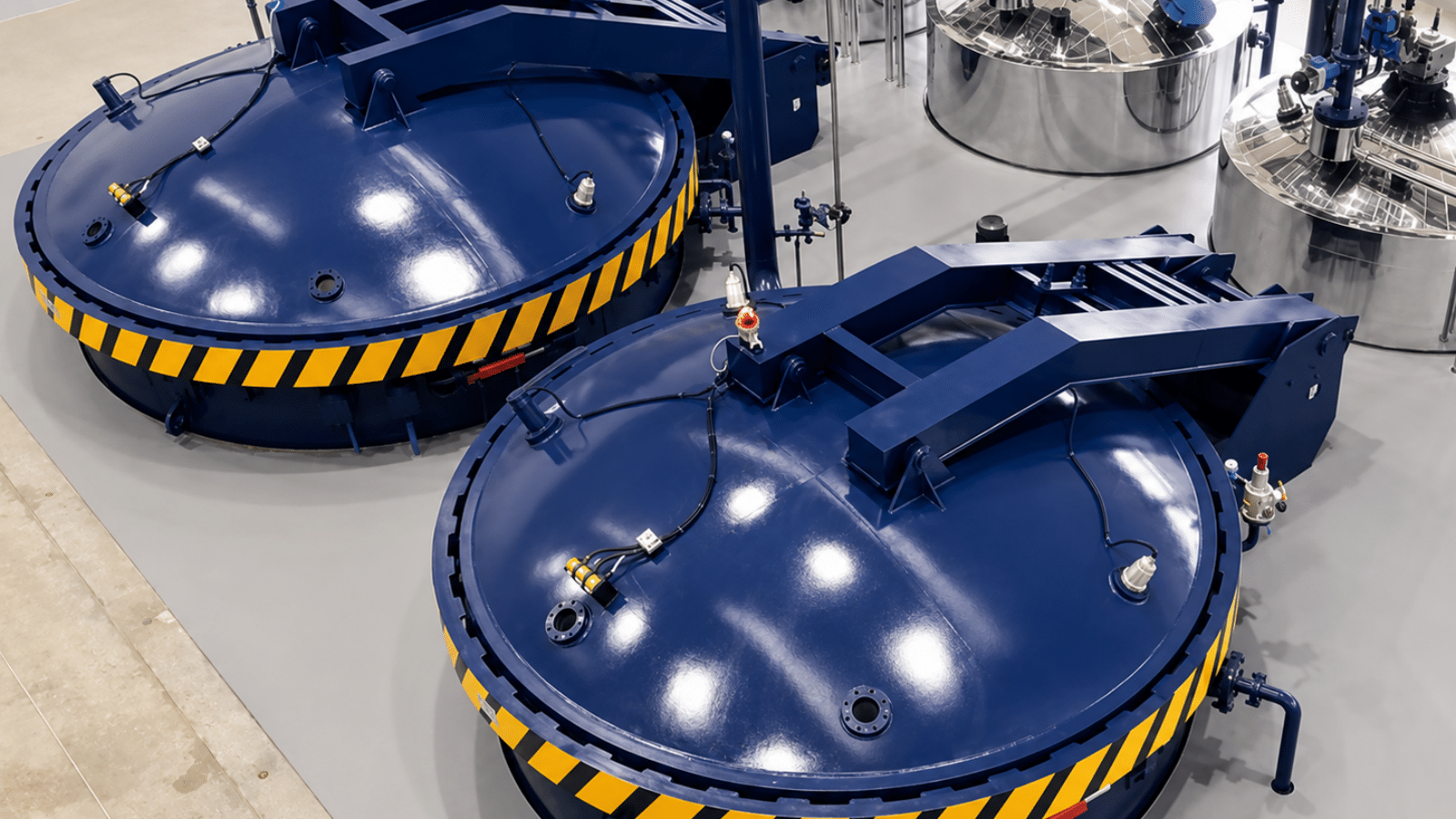
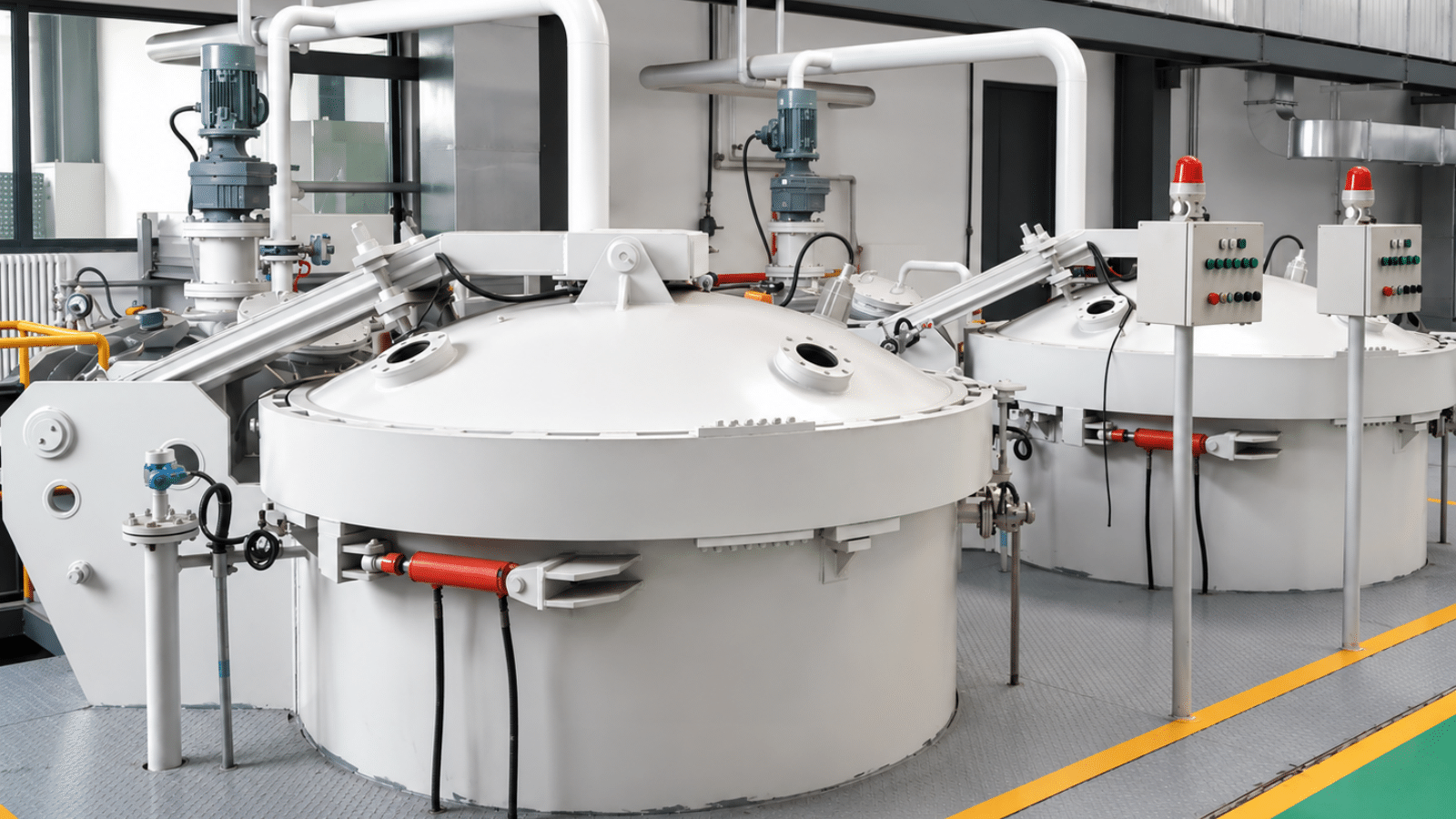
Vacuum Impregnation Equipment for Automated Insulation Processing
TRANFOVIA Vacuum Pressure Impregnation Equipment is used to impregnate electrical products under vacuum and pressure. The process is intended to improve insulation performance and electrical properties, while a high degree of automation reduces manual error and complete production-process records support traceability.
Applications
This VPI Equipment is used for motors, dry-type reactors, transformers, capacitors, cables and composite materials that require impregnation under vacuum and pressure. It is selected when the production process needs the impregnation material to penetrate the electrical insulation system before the subsequent drying or curing stage, with automation and process records supporting repeatable production.
Main features
- Vacuum-pressure impregnation
Pressure impregnation is used to enhance insulation performance and improve the electrical performance of the product.
The system is designed with a high degree of automation to reduce human error.
Production-process parameters are recorded to support later traceability.
| Equipment |
Main Process |
Use It When |
| Vacuum Pressure Impregnation Equipment |
Vacuum + pressure impregnation |
The workpiece needs impregnation with an insulation material. |
| HA Dipping Paint Drying Oven |
Post-dipping / post-VPI varnish drying |
The impregnated or dipped workpiece now needs controlled drying. |
| Static Mixing Vacuum Casting Equipment |
Resin casting in a vacuum pouring box |
The product requires a casting process rather than impregnation. |
FAQ
- What is vacuum pressure impregnation equipment?
It is equipment used to carry out an impregnation process under vacuum and pressure for electrical products and insulation systems.
- What products can be processed by a VPI system?
The listed applications include motors, dry-type reactors, transformers, capacitors, cables and composite materials.
- What is the difference between vacuum impregnation equipment and a drying oven?
The VPI system performs impregnation. A drying oven performs the following drying or curing stage where required.
- Is VPI the same as vacuum casting?
No. VPI impregnates a workpiece; static mixing vacuum casting pours prepared resin into a vacuum casting box.
- How are VPI tank dimensions selected?
Tank dimensions, vacuum level and impregnation pressure are matched to the customer workpiece, batch size, impregnation material and approved process requirements.
- What should be sent for a VPI quotation?
Provide the workpiece drawing, maximum dimensions and weight, impregnation material, required process vacuum and pressure, batch size, loading method and traceability requirements.