Product Introduction
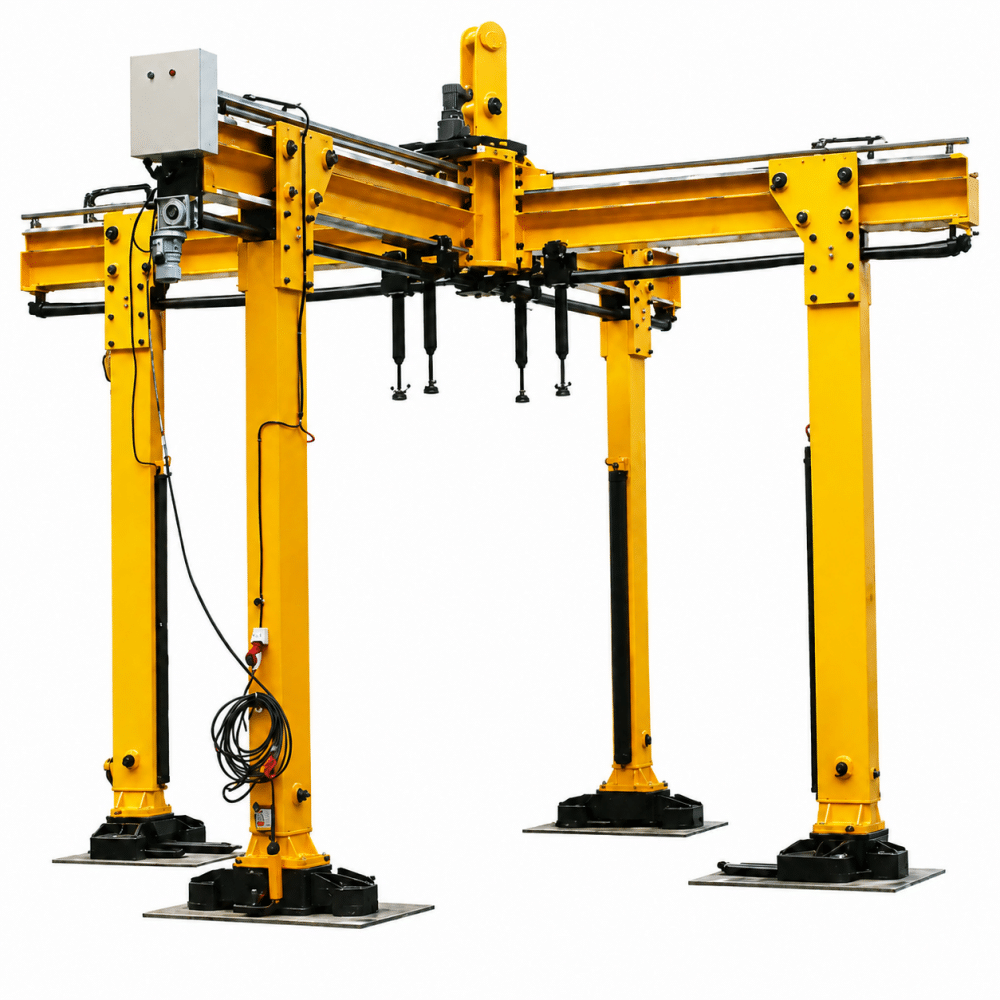
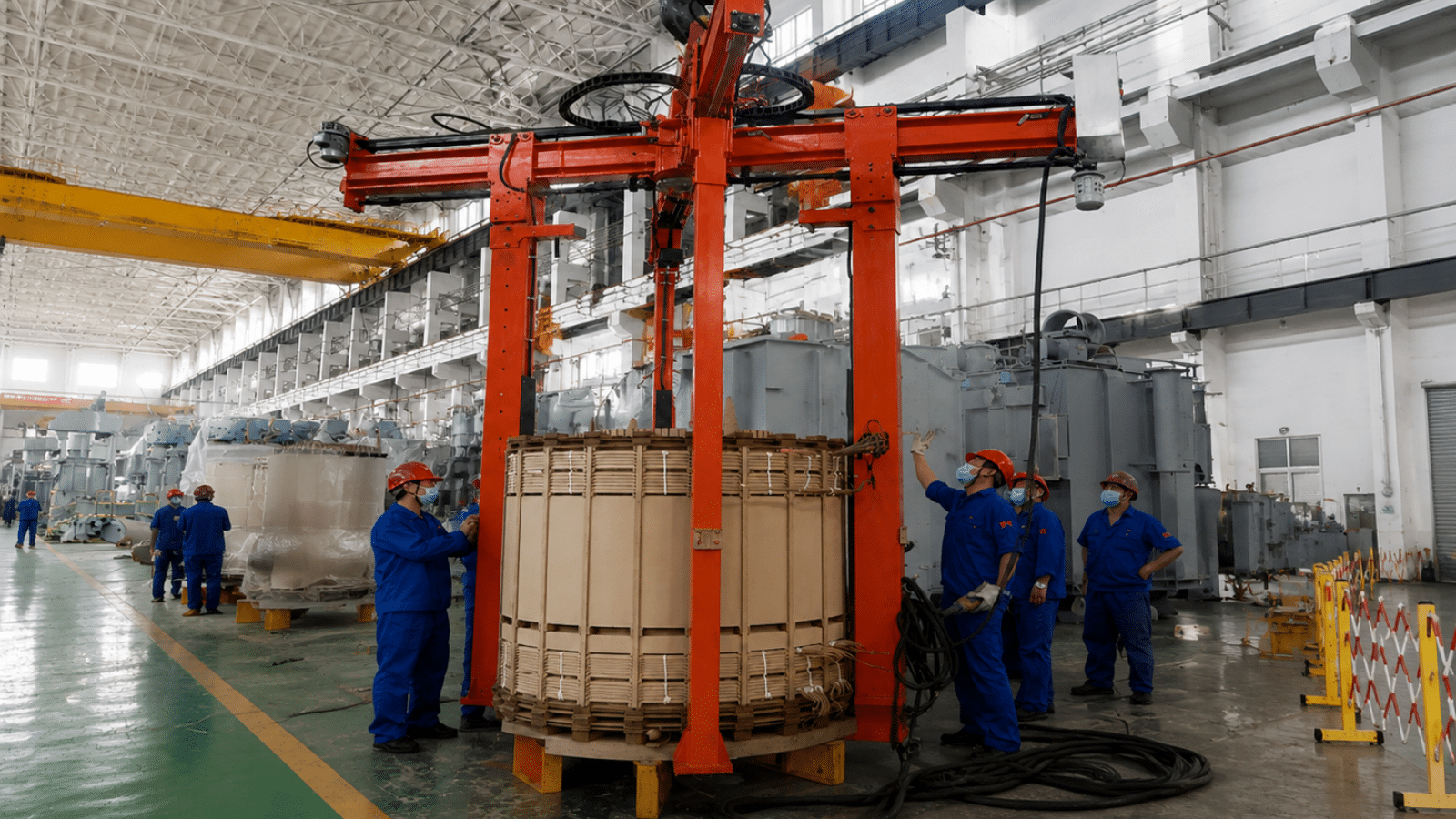
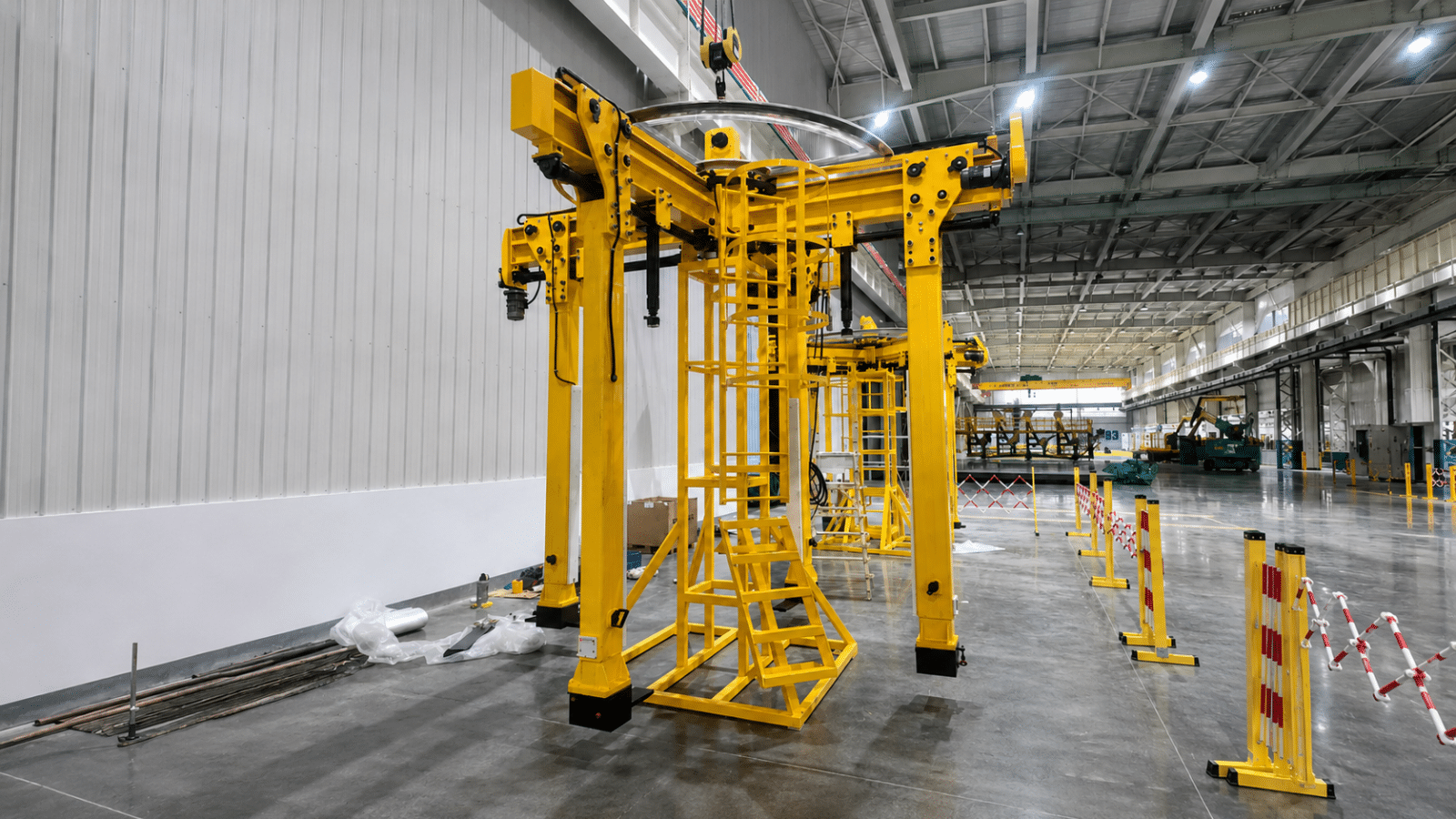
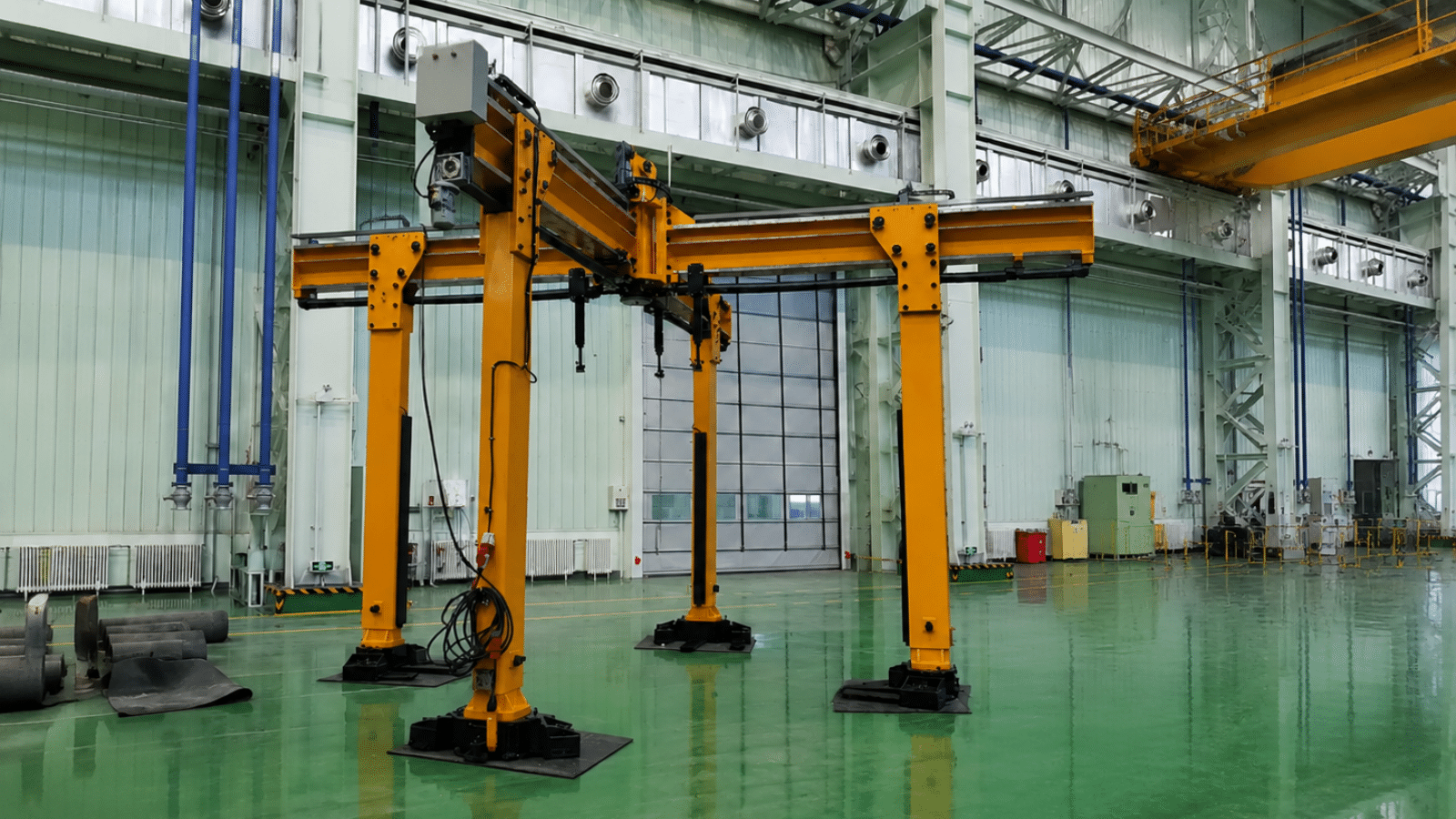
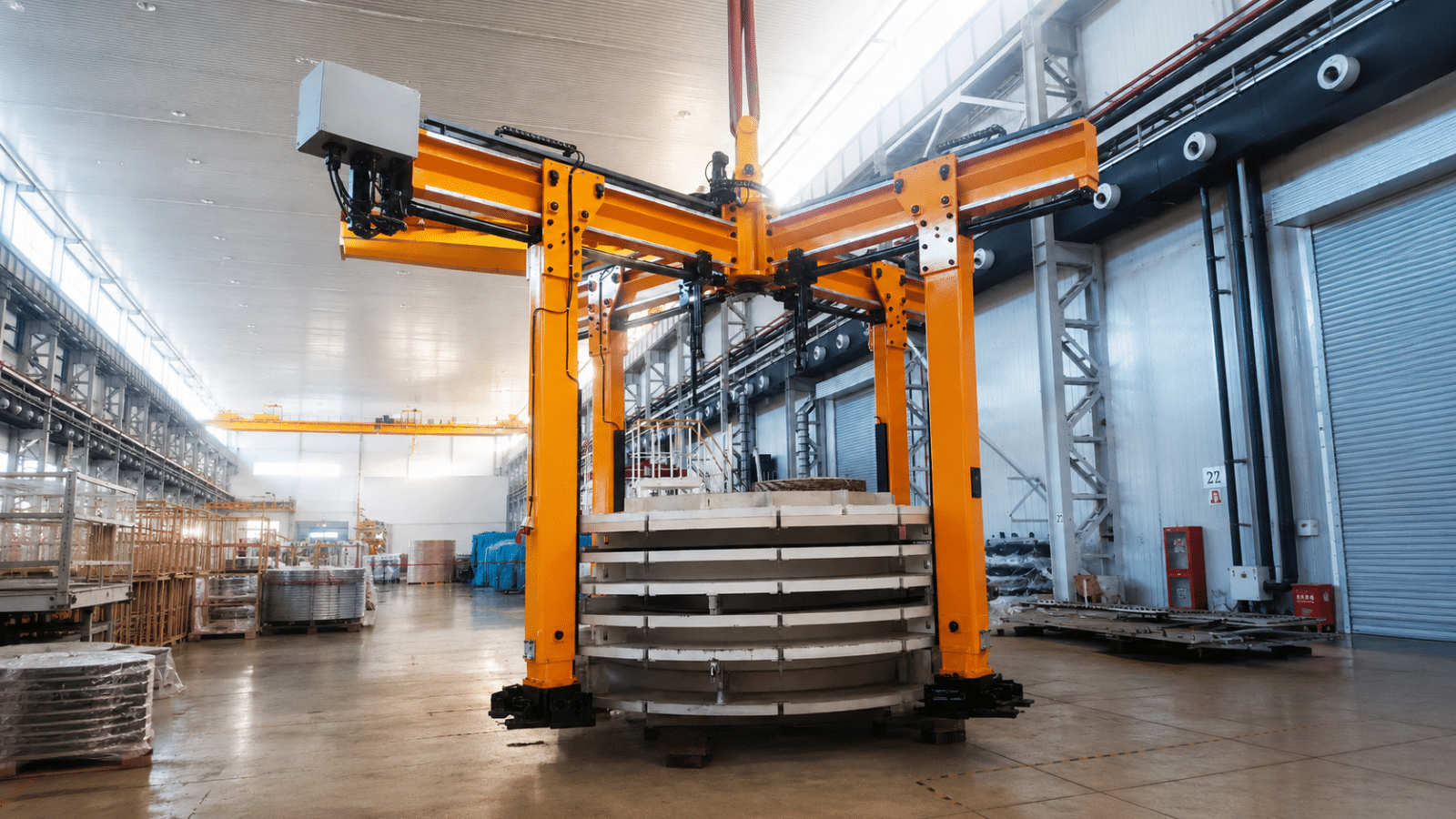
The transformer coil cross lifting beam is designed for lifting and positioning coils with different diameters and axial thicknesses. Its cross-beam angle, lifting-leg position, lower lifting feet and four pressing rods can be adjusted around the coil geometry before the lift, creating a more controlled support arrangement for workshop transfer and assembly.
Designed Specifically for Coils with Various Geometries
A fixed lifting frame can only match a limited range of coil sizes. Transformer factories, however, often handle coils that vary in outside diameter, axial thickness and lifting position. The cross lifting beam addresses this variation through four independent adjustment areas rather than relying on a single fixed span.
Before lifting, the operator configures the beam to the actual coil drawing. The cross-beam angle defines the overall geometry, the lifting legs are positioned to suit coil diameter, the lower lifting feet are set to the coil thickness, and the pressing rods are adjusted to restrain axial movement.
Four Adjustment Points Around the Coil
- Adjustable Cross-Beam Angle The hanging-beam angle can be set between 60° and 90°, allowing the upper structure to be configured around different lifting arrangements and coil proportions.
- Horizontally Adjustable Lifting Legs Each lifting leg moves along the cross beam to match the coil diameter. Adjustment can be configured as manual or electric, depending on the project and operating frequency.
- Movable Lower Lifting Feet The lifting feet slide horizontally in guide grooves at the lower ends of the legs. Their position is set according to the coil thickness so that the lower support points match the workpiece.
- Four Axial Pressing Rods Four downward pressing rods stabilize the coil in the axial direction. Each rod combines rapid positioning with fine adjustment, helping the operator set contact more accurately after the main geometry has been established.
Application
- Removing a completed coil from a winding or pressing station.
- Transferring coils between coil-processing and assembly areas.
- Positioning a coil above a transformer coil assembly platform.
- Aligning individual coils during complete coil-set assembly.
- Handling multiple coil sizes without changing to a completely different fixed lifting frame.
Technical Configuration
| Product type |
Adjustable cross lifting beam |
| Cross-beam angle |
Adjustable from 60° to 90° |
| Lifting-leg adjustment |
Horizontal movement along the cross beam |
| Leg adjustment options |
Manual or electric |
| Lifting-foot adjustment |
Horizontal movement in lower guide grooves |
| Pressing rods |
Four downward rods with rapid adjustment and fine tuning |
FAQ
- How does the lifting beam adapt to different coil diameters?
The lifting legs move horizontally along the cross beam. Their positions are set according to the coil diameter and the approved lifting points.
- How is coil thickness accommodated?
The lower lifting feet move in guide grooves at the ends of the lifting legs. The support position is adjusted to suit the axial thickness of the coil.
- What is the purpose of the four pressing rods?
They provide axial stabilization after the main beam, leg and foot positions have been set. Rapid adjustment brings each rod into position, while fine tuning controls the final contact setting.
- Can the lifting legs be adjusted electrically?
Yes. The lifting-leg movement can be configured for manual or electric adjustment.
- What angle range is available on the hanging beam?
The cross-beam angle can be adjusted from 60° to 90°.
- Is the lifting capacity fixed for all configurations?
No. The rated capacity must be selected and verified against the maximum coil weight, beam geometry, support positions and crane conditions.
- What should be checked before the full lift?
Confirm the coil drawing, support positions, pressing-rod contact, crane connection and balance through a low-height trial lift before transfer.