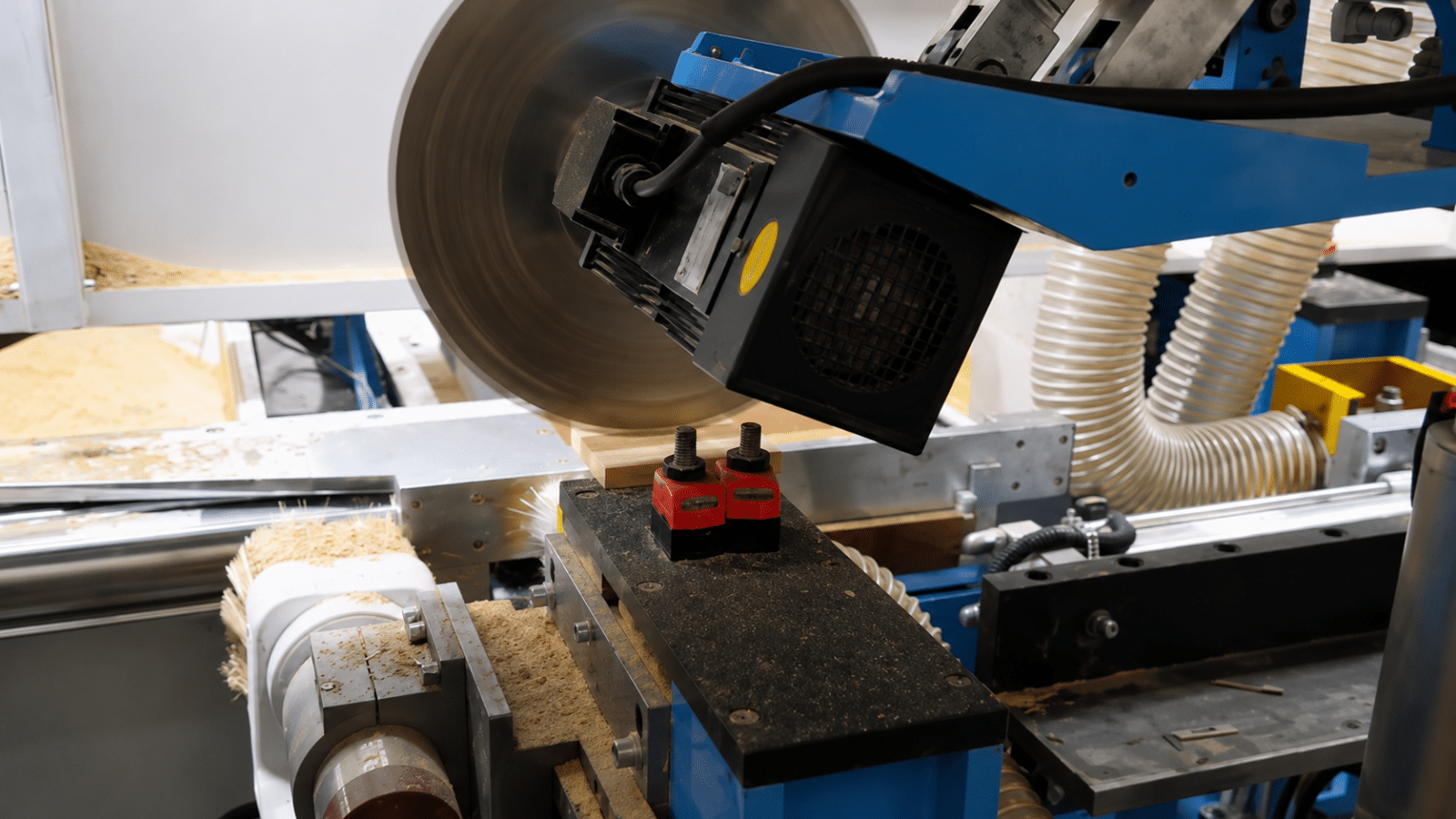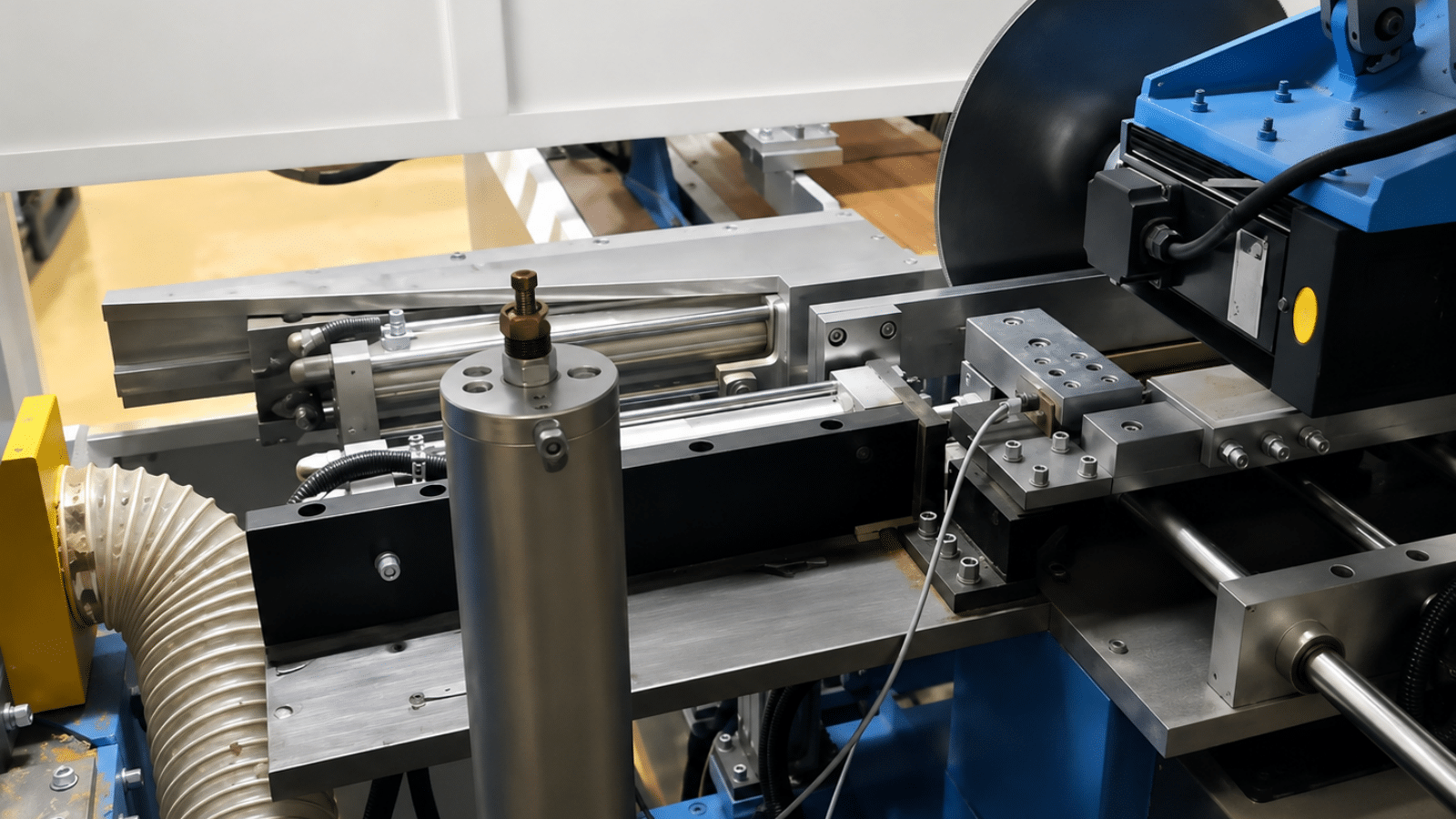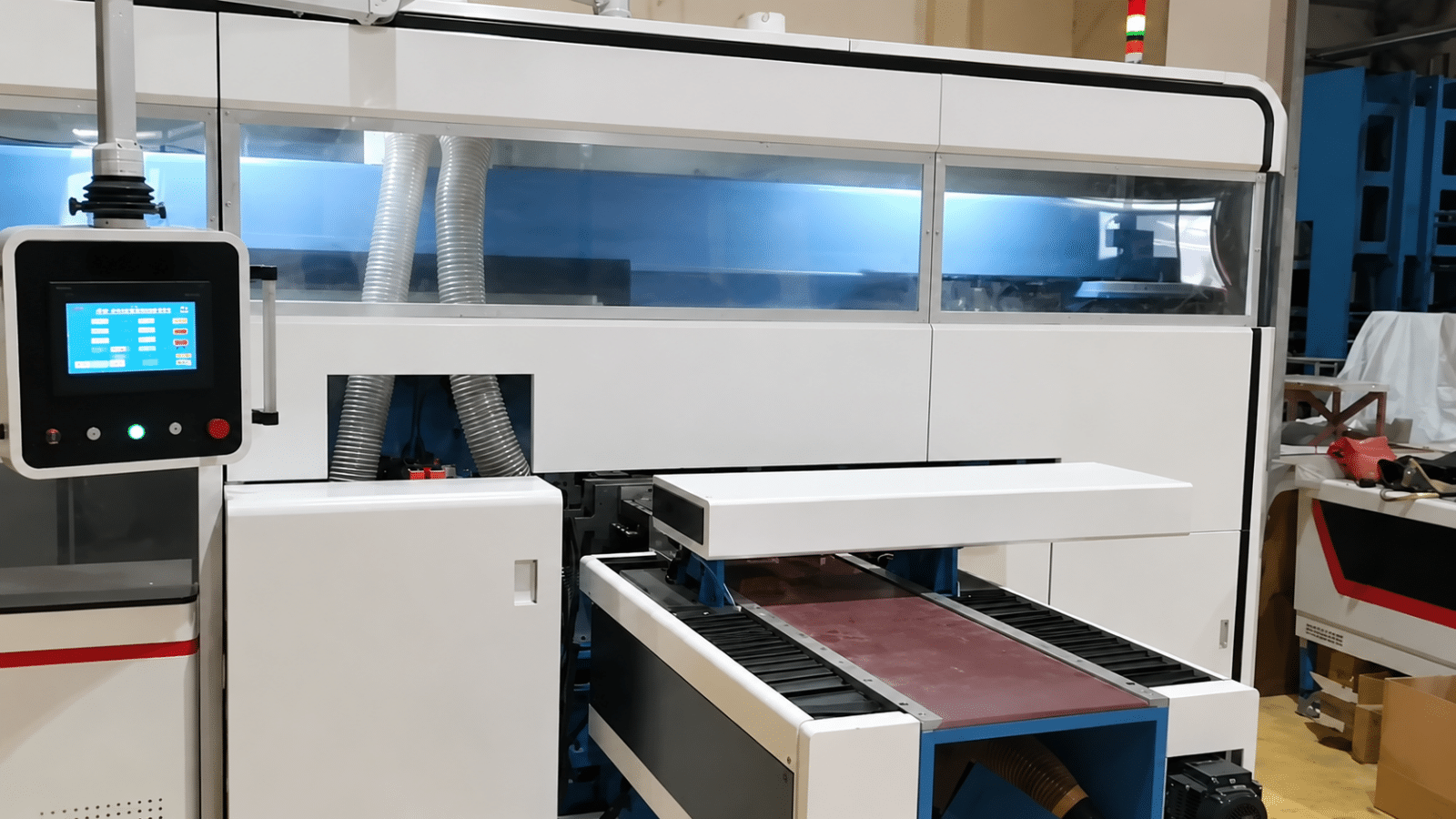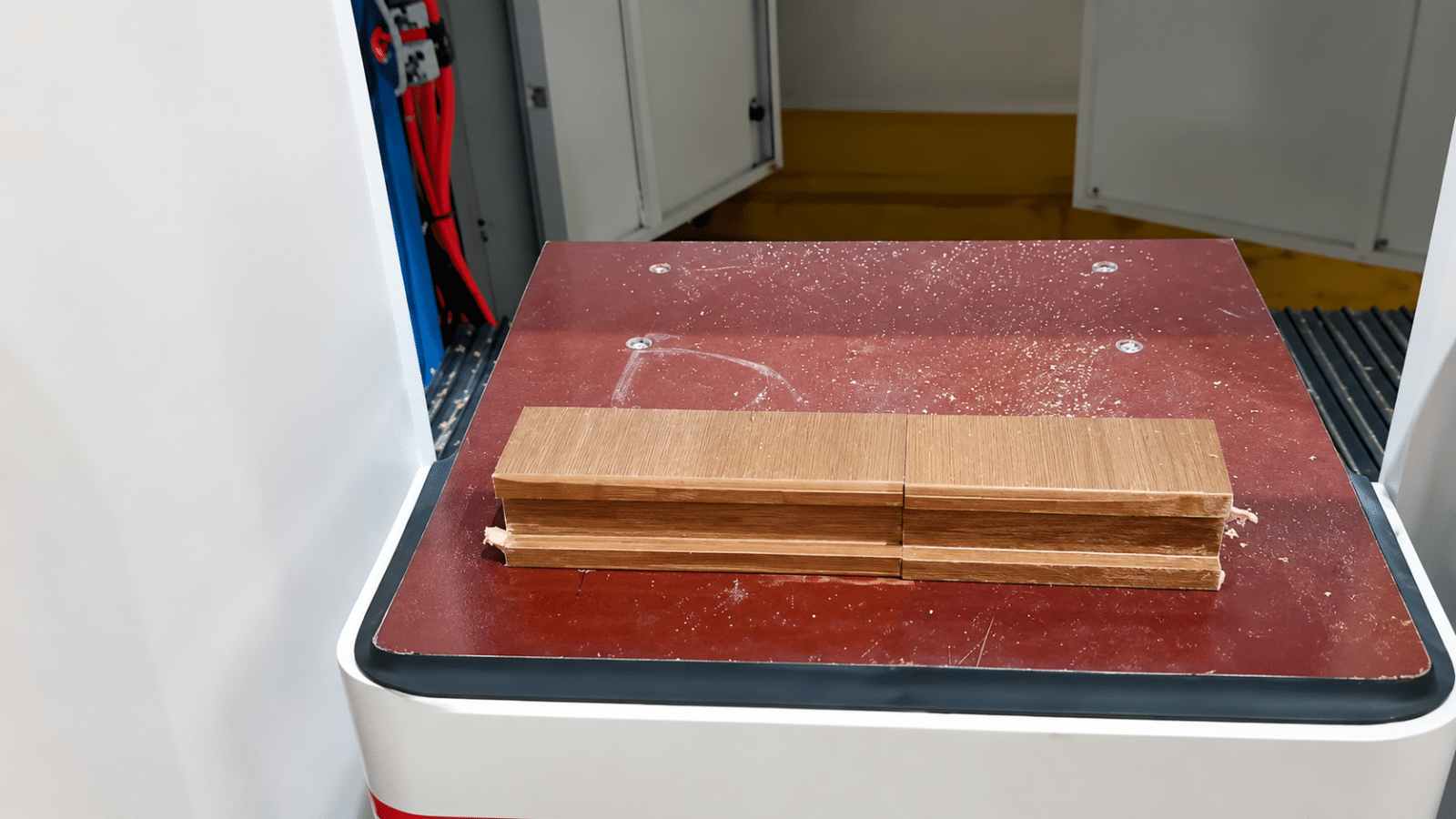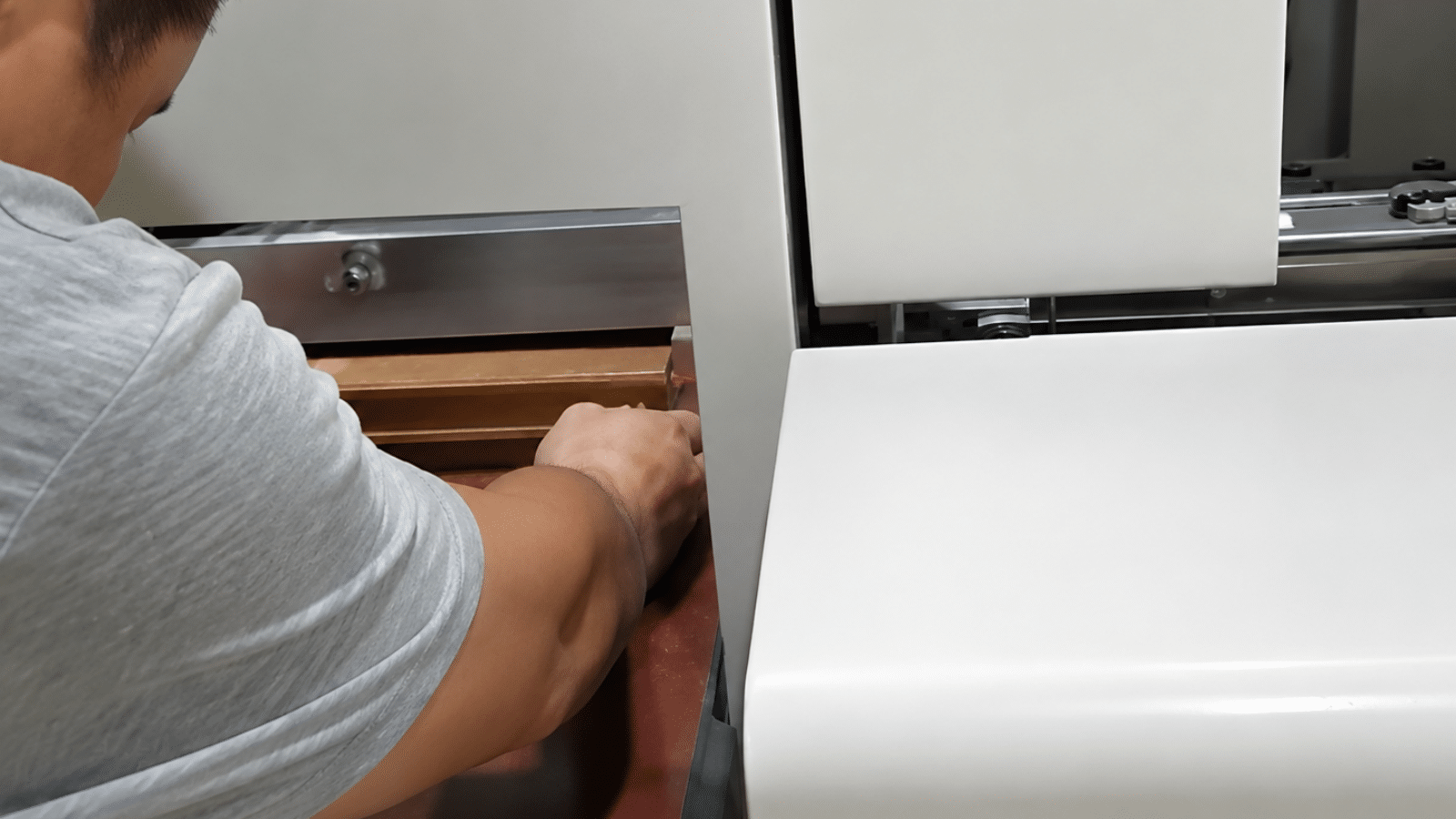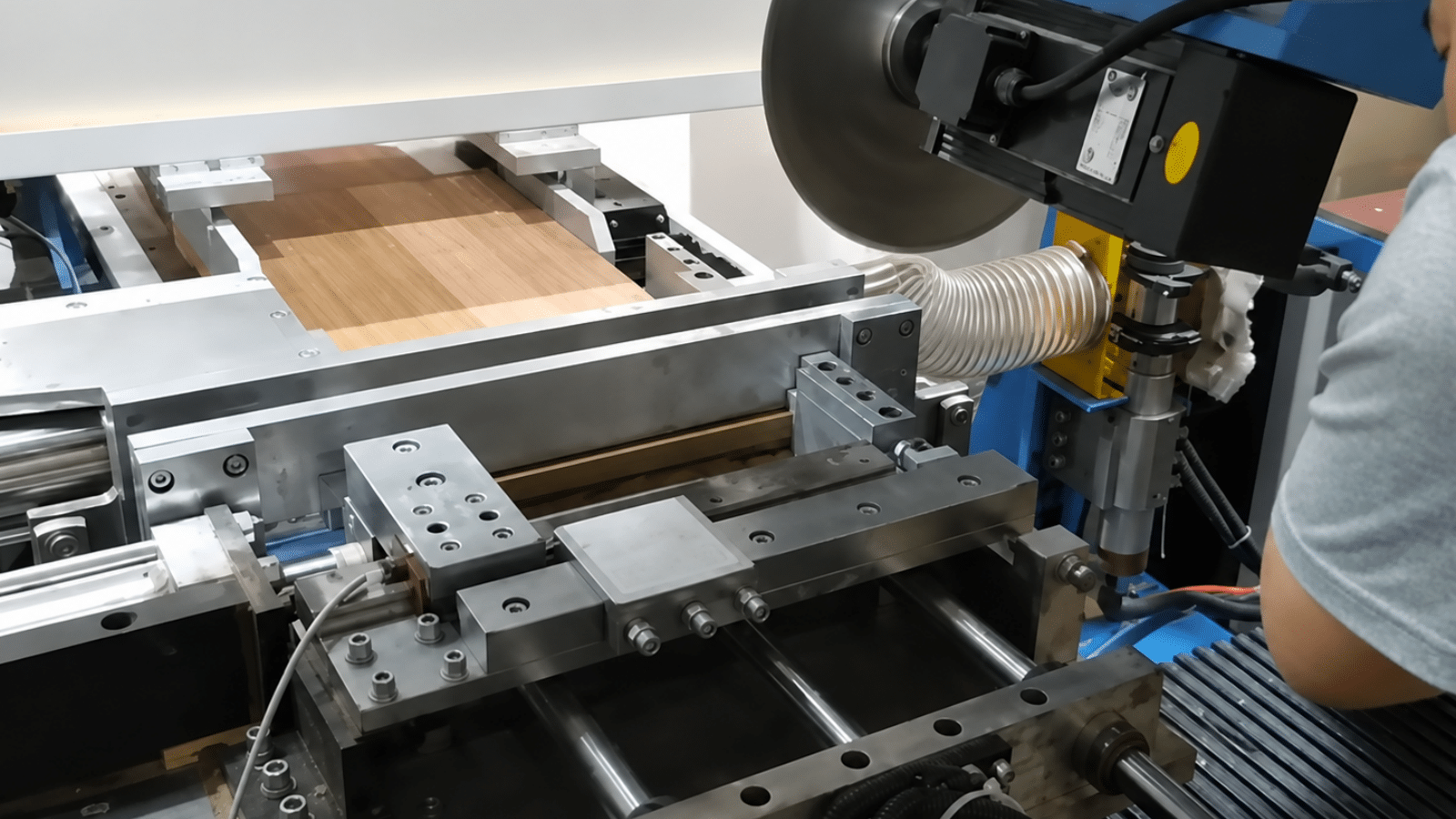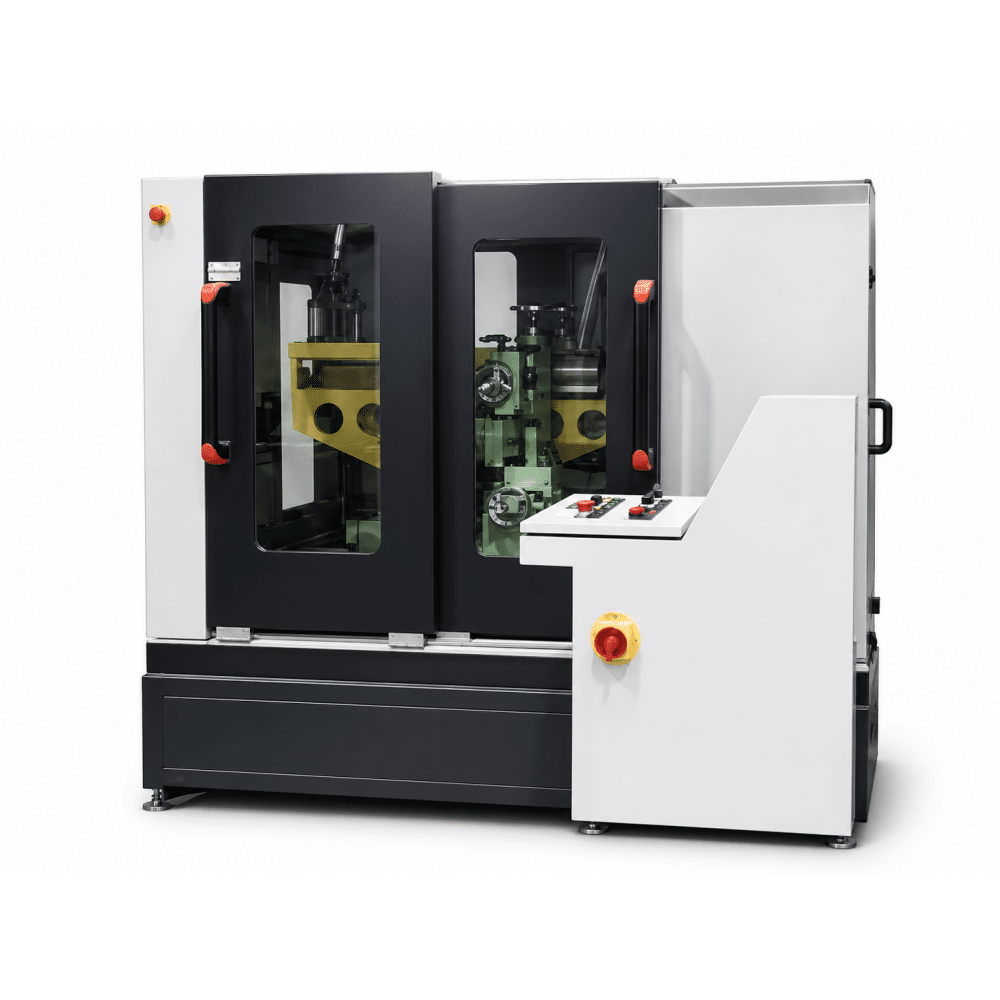
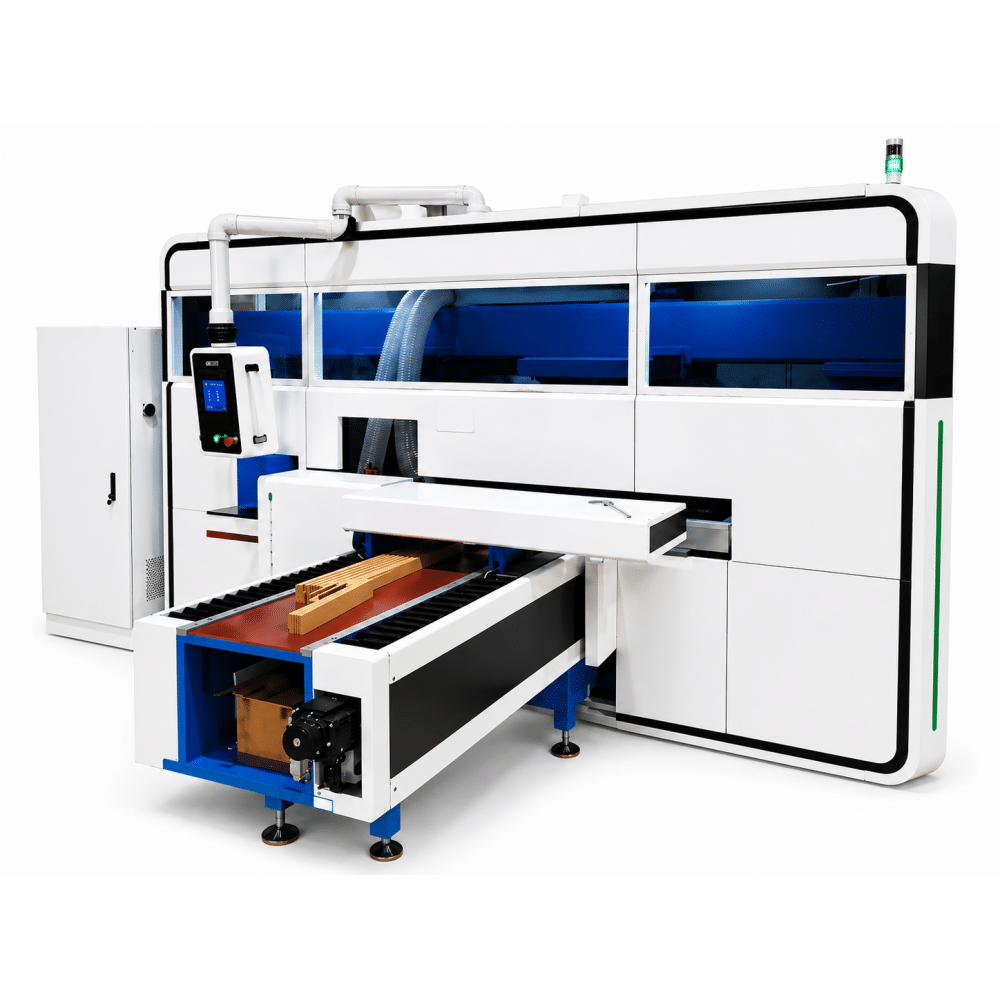
The TRANFOVIA Dove-Tail Spacer Milling Machine is designed for machining transformer cooling-duct spacers from insulation pressboard. Unlike punching-based production, it uses profile milling to complete the spacer shape, groove and edge chamfering in one processing cycle. The process is intended to produce smooth, burr-free spacer surfaces without secondary polishing, while keeping the groove center aligned with the spacer center during machining.
Full automatic and semi automatic configurations are available for different production volumes and workshop requirements. The equipment is particularly suited to spacer processing for large transformers above 110 kV, where slot geometry, surface finish and dimensional consistency need to be controlled across repeated batches.
The Dove-Tail Spacer Milling Machine is used in transformer insulation workshops to produce cooling-duct spacers with dove-tail, swallow-tail and straight-slot geometries from insulation pressboard. Within a transformer insulation processing system, it performs the dedicated spacer-milling stage after blank preparation and before the finished spacers are assembled into winding cooling-duct structures. For transformer manufacturing machinery buyers, this machine is most relevant when the requirement is individual spacer profile and groove milling rather than continuous strip shaping or pressboard punching.
| Parameter | Specification |
| Spacer length | 25-300 mm |
| Spacer width | 25-60 mm |
| Spacer length accuracy | ±0.2 mm |
| Straight-slot depth accuracy | ±0.2 mm |
| Groove center deviation | < ±0.2 mm from spacer center |
| Supported groove types | Dove-tail, swallow-tail and straight slot |
| Main motor installed capacity | 29.3 kW, excluding dust collector motor |
| Pneumatic system | 0.6 MPa; 100 L/min |
| Parameter | Specification |
| Pressboard width | 20-60 mm, adjustable |
| Pressboard length | 30-200 mm |
| Spacer thickness | 1.0-10.0 mm |
| Maximum clamping thickness per batch | 340 mm |
| Feeding speed | 1-3 m/min |
| Maximum machining speed | 260 pcs/min |
| Length accuracy after machining | ≤ ±0.2 mm |
| System total power | 18.4 kW, excluding dust collector |
| Air supply pressure | 0.5 MPa |
| Finished surface | Smooth, flat, non-carbonized and clean |
Machine selection should start with the spacer drawing and production volume rather than automation level alone. The buyer should confirm spacer length, width, individual thickness, groove type, groove depth, batch clamping quantity and required output.
Full automatic configuration is more suitable when repeated spacer geometries and higher batch output justify automated handling.
The semi automatic configuration is more appropriate for flexible production where the operator still controls material loading and feed.
It is used to mill transformer insulation pressboard spacers for winding cooling-duct structures, including dove-tail, swallow-tail and straight-slot spacer geometries.
It uses profile milling. The stated process forms the spacer shape, mills the required slot and chamfers the edge in one machining cycle.
Spacer length accuracy is ±0.2 mm. Straight-slot depth accuracy is ±0.2 mm, and the groove-center deviation relative to the spacer center is less than ±0.2 mm.
The full automatic model is configured for automated batch spacer milling with a 29.3 kW installed motor capacity and 0.6 MPa pneumatic system. The semi automatic model has 1-3 m/min feeding speed, 340 mm maximum batch clamping thickness and a stated maximum machining speed of 260 pcs/min.
Yes. The product description specifically states that it is especially suitable for processing large-transformer spacers above 110 kV.
The specified milling process produces burr-free spacers that do not require polishing; the semi automatic data also states that finished surfaces are smooth, flat, non-carbonized and clean.