Product Introduction
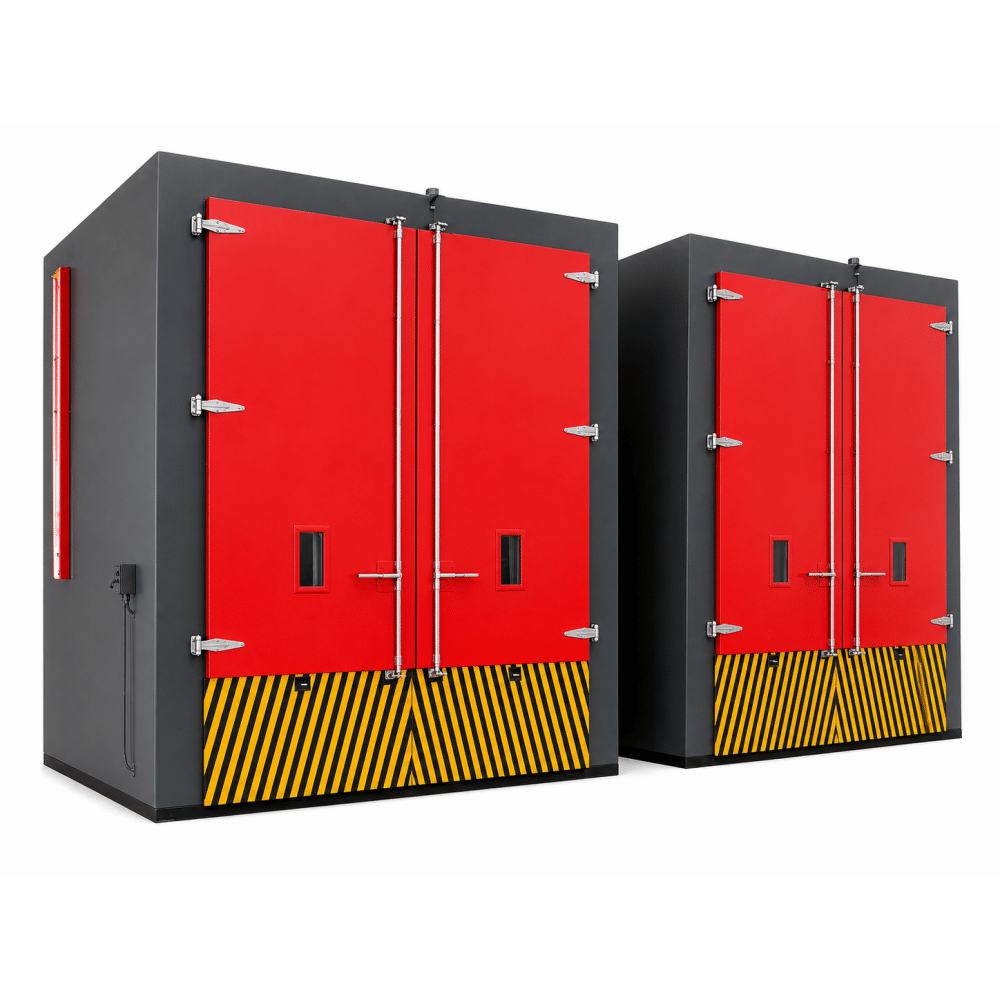
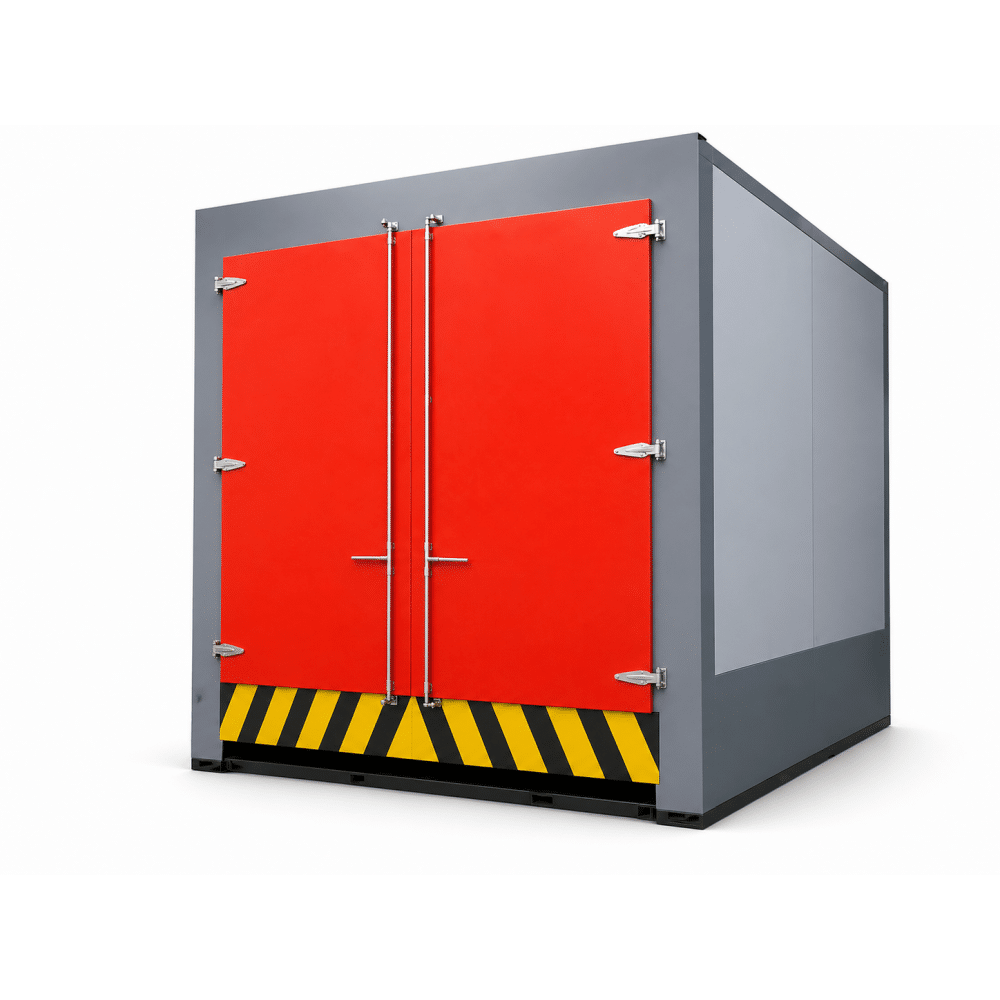
A dipping paint drying oven is the controlled heating stage used after an electrical component has been impregnated with insulation varnish. In the HA series, the oven is engineered around the additional safety demands created by volatile solvent release during heating. The system combines ventilation, hot-air circulation, temperature control and dedicated protection functions so varnish-treated components can be dried under a managed process environment.
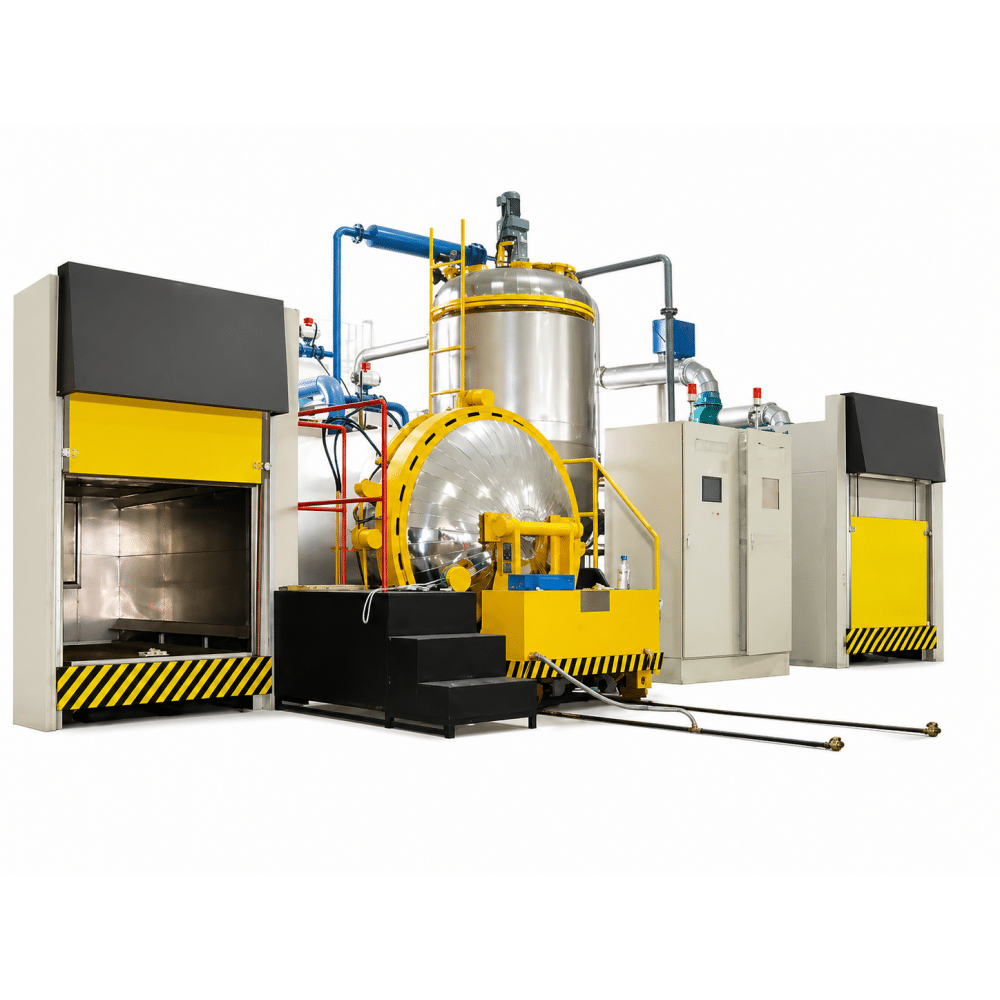
Applications in Transformer and Motor VPI Processes
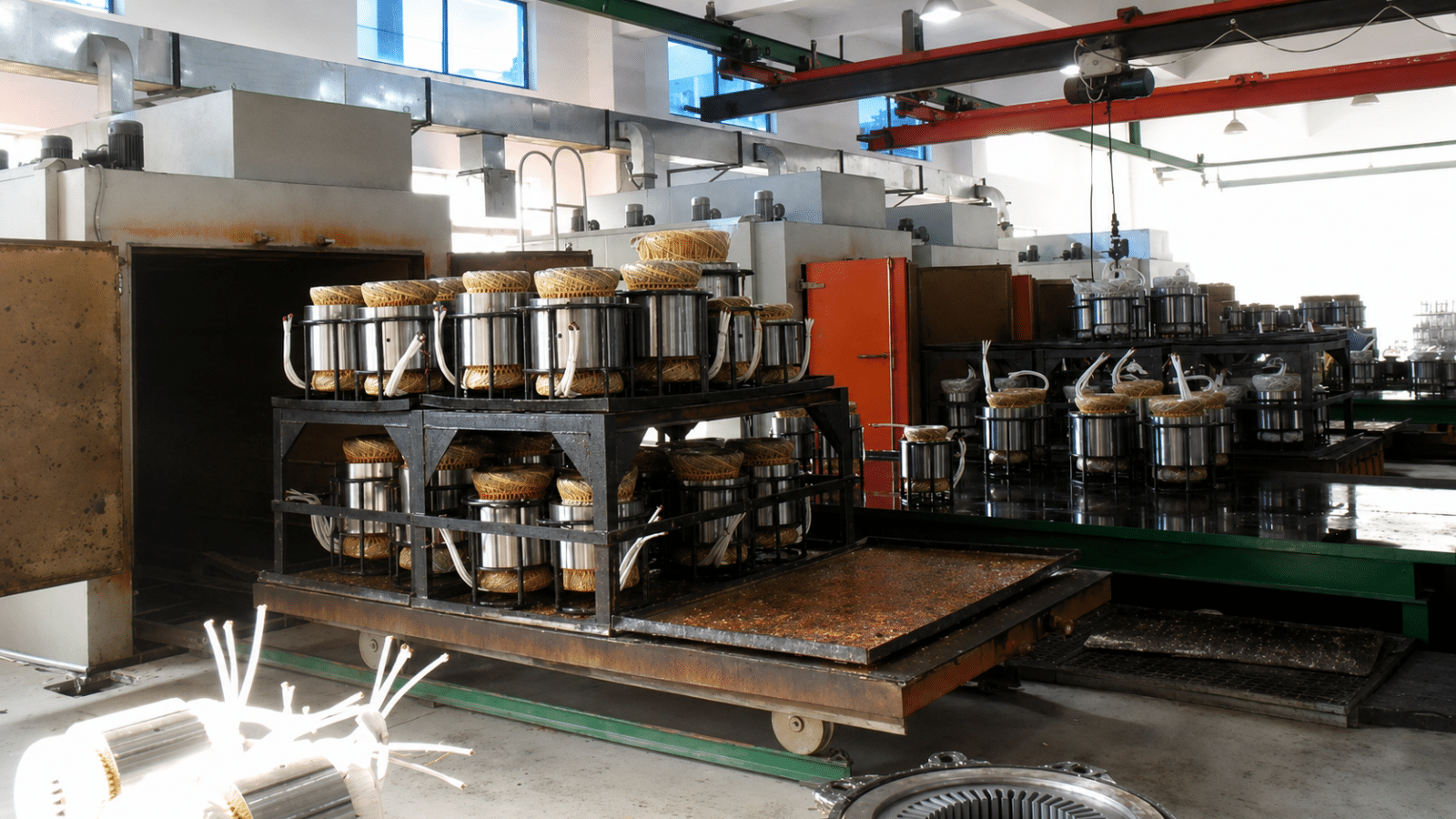
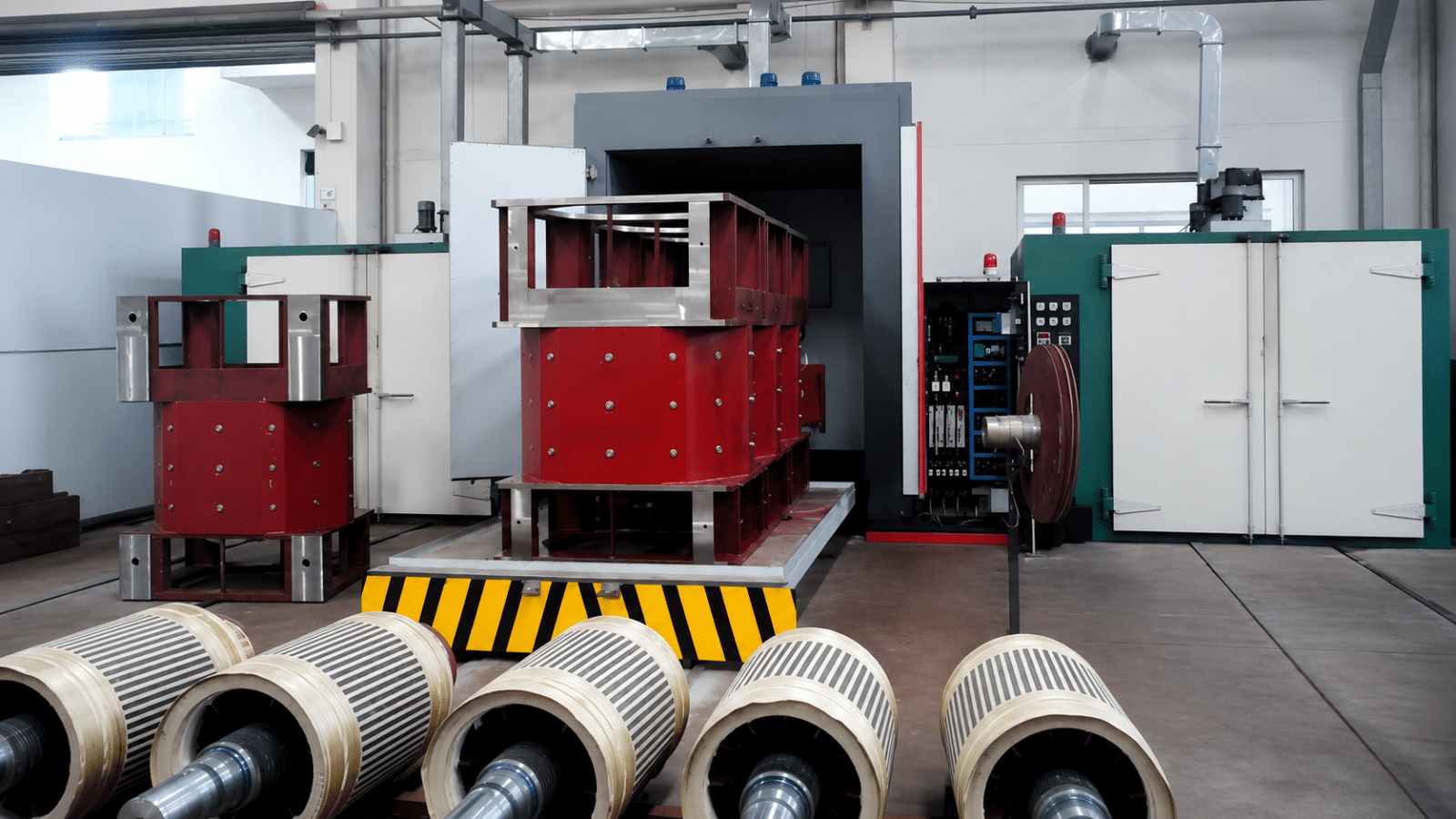
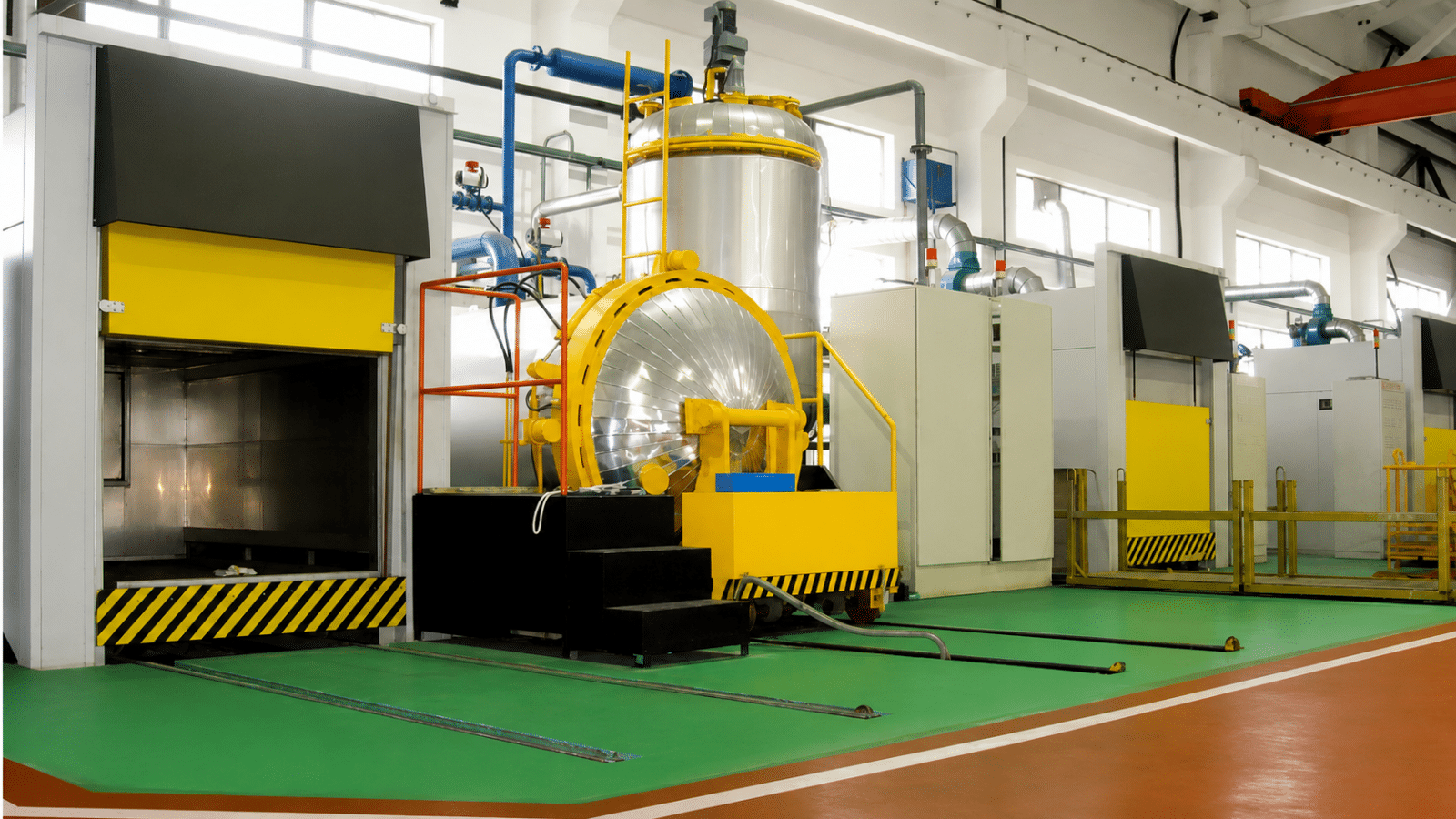
The HA series is mainly used for products such as motors and transformers that undergo dipping or vacuum pressure impregnation. It belongs after the impregnation stage rather than replacing the impregnation equipment itself. For plants operating an impregnation system or transformer coil VPI line, the HA oven provides the subsequent controlled drying stage while addressing airflow, solvent discharge, temperature uniformity and process safety requirements.
Safety Features for Varnish Drying
Abnormal wind pressure or exhaust conditions trigger an audio-visual alarm and power cut-off to protect the equipment.
- Low-Surface-Temperature Finned Heater
The finned heater is designed with low surface load and low surface temperature to reduce a primary ignition hazard during varnish drying.
- High-Volume Ventilation and Front Displacement Airflow
The ventilation design helps control the concentration of flammable gases inside the chamber during the heating process.
- Full-Cycle Hot-Air Circulation
The circulation arrangement is designed to maintain temperature uniformity while the ventilation system continues to operate.
- Heat-Recovery Configuration
A high-efficiency heat exchanger helps maintain temperature stability under high air-exchange rates and recovers energy from the exhaust flow.
- Independent Over-Temperature Protection
A separate alarm system cuts the heating power and provides audio-visual warning when abnormal temperature occurs.
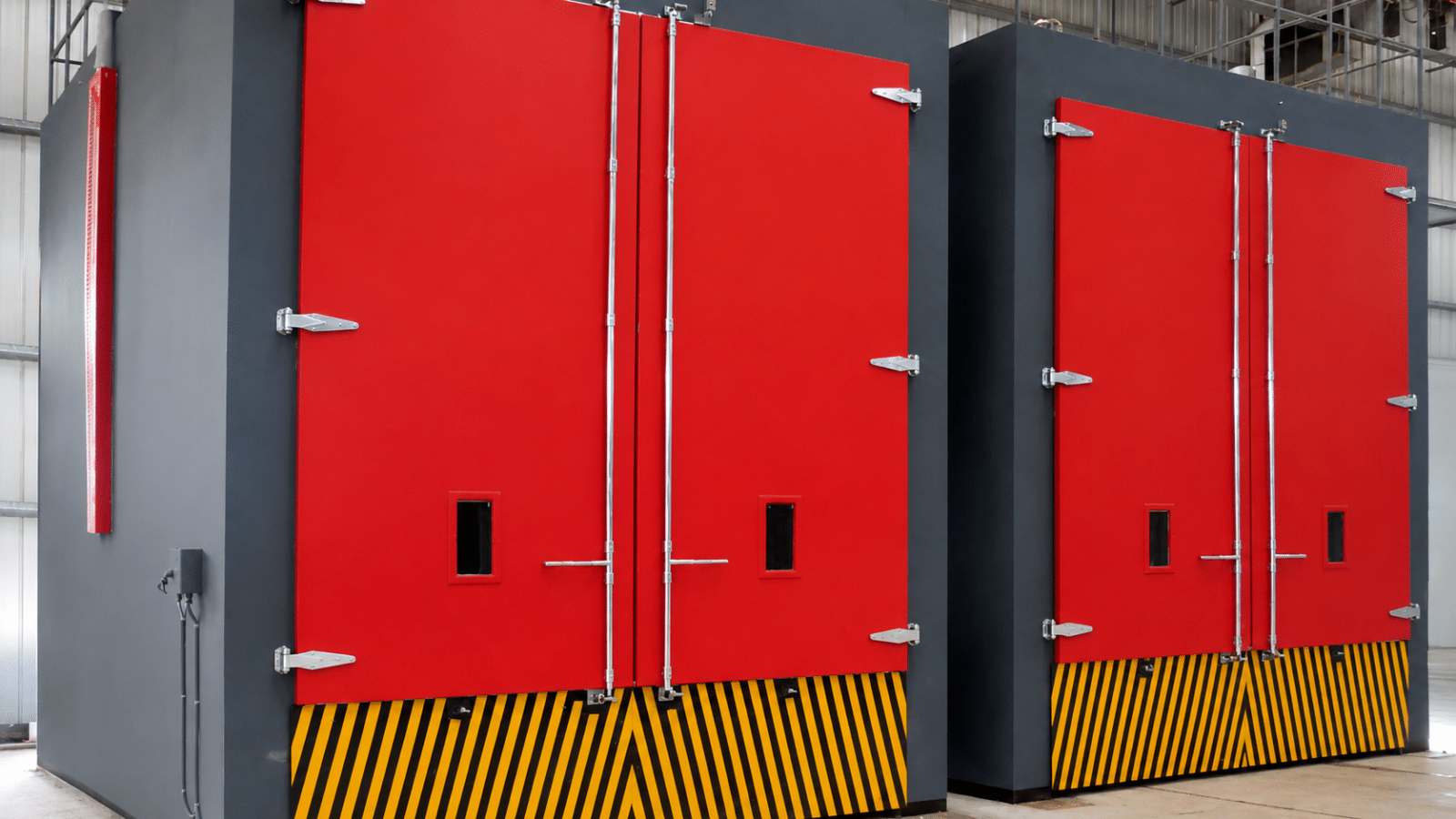
- Explosion-Proof Safety Door
The enclosure incorporates an explosion-proof safety door as part of the oven safety design.
- Flexible Trolley and Monitoring Options
Tracks and trolley drives can be selected by workpiece weight. Options include insulation resistance monitoring, low-voltage explosion-proof lighting, observation windows, temperature recording, drip-proof paint tray, DCS integration and touchscreen PLC control.
HA Series Technical Specifications
| Model |
Chamber W x D x H (mm) |
Heat kW |
Ventilation m³/h |
Solvent L/h |
Overall W x D x H (mm) |
Weight t |
| HA-1 |
1800 x 2000 x 1700 |
36 |
500 |
2.5 |
2720 x 2800 x 2500 |
2.5 |
| HA-2 |
1800 x 2000 x 2000 |
40 |
500 |
2.5 |
2720 x 2800 x 2800 |
3.0 |
| HA-3 |
1800 x 2600 x 1700 |
45 |
700 |
3.5 |
2720 x 3400 x 2500 |
3.5 |
| HA-4 |
1800 x 2600 x 2000 |
51 |
700 |
3.5 |
2720 x 3400 x 2800 |
3.8 |
| HA-5 |
1800 x 3000 x 2000 |
54 |
1000 |
5.0 |
2720 x 3800 x 2800 |
4.0 |
Common data for HA-1 to HA-5: room temperature to 250°C; AC380 V ±10%; 50 Hz; temperature uniformity ≤±2.5; temperature fluctuation ≤±1°C; listed heat-transfer efficiency 80%.
FAQ
- Is the HA series a vacuum impregnation machine?
No. It is a drying oven used with dipping or VPI processes. The impregnation tank creates the vacuum/pressure impregnation condition; the HA oven handles the subsequent thermal drying stage.
- What is the maximum working temperature?
The listed working range is from room temperature up to 250°C for HA-1 through HA-5.
- Why does the HA series specify ventilation and solvent discharge capacity?
Varnish-treated workpieces release volatile gases during heating. Ventilation and solvent discharge are therefore important selection parameters for the drying process.
- Which HA model has the largest standard chamber?
HA-5 has a listed chamber size of 1800 x 3000 x 2000 mm, with 54 kW heating power, 1000 m³/h ventilation and 5 L/h solvent discharge capacity.
- Can the process be recorded?
Yes. Temperature recording is available, and DCS integration can be configured for centralized monitoring and historical process records.